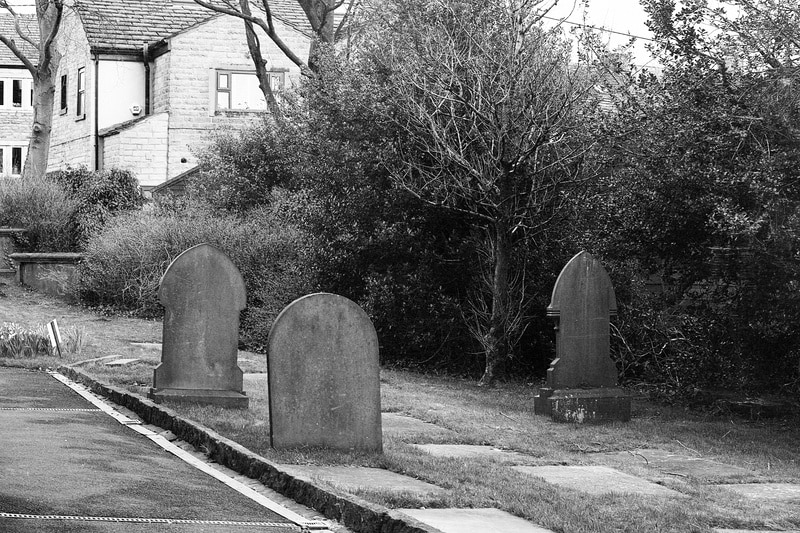
On 15 October 1769, during his first voyage along the coast of New Zealand, Lieutenant James Cook watched a group of Maori men attempt to seize a servant from his landing party and haul him away in a canoe. The attempt failed and the servant was recovered, but Cook marked the spot on his chart with a name that stuck: Kidnappers Bay.

According to the Maori version of events recorded at the time, the men believed they were not abducting a stranger at all, but rescuing a Maori boy they thought was being held captive aboard the English ship. The misunderstanding, born of two cultures reading the same scene in entirely different ways, turned a rescue attempt into what the English recorded as a kidnapping.


Cape Kidnappers View

⬅ See all events from 15 October

Spread the word on your favourite platform!

Caroline Grills was the kind of woman neighbours trusted: she brought cups of tea and homemade treats to relatives and friends, and several of them sickened and died. On this day she was convicted of the attempted murder of Eveline Lundberg with thallium, the same insidious poison police believed had already killed members of her own family.

Her manner in the dock attracted attention. When the jury returned its guilty verdict, Grills shrugged her shoulders and smiled broadly. After the judge recorded a sentence of death, she reportedly turned to police and asked, “Is that all?” She had protested her innocence throughout the trial.

The sentence was later commuted to life imprisonment. Grills died on 6 October 1960 never expressing remorse for the deaths linked to her name.

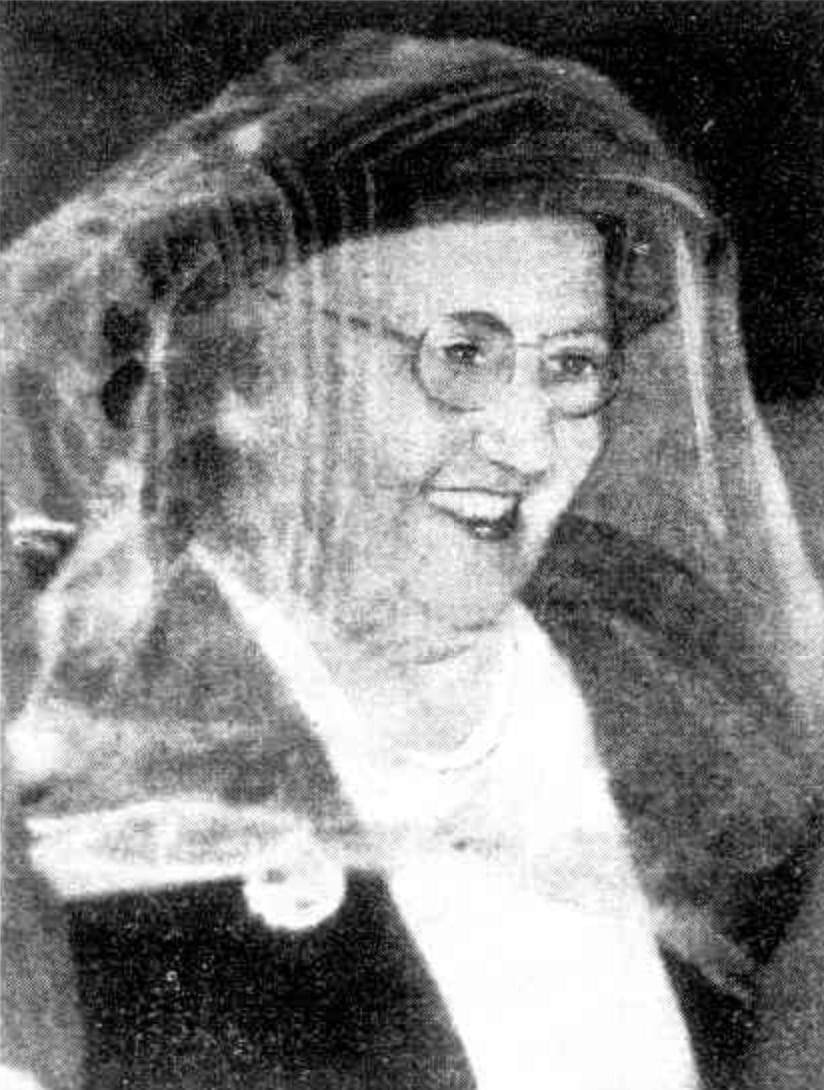
Caroline Grills arriving at Sydney Central Court, 9 July 1953. Unknown photographer. Originally published in the Brisbane Telegraph. Source: Trove, National Library of Australia. Public domain.

⬅ See all events from 15 October

Spread the word on your favourite platform!

Bridget Hurford had grown to despise her older, wealthy husband John Hurford long before she decided to have him killed. She paid a ticket-of-leave man named Dodd with cash and the promise of her husband’s own horse to strangle him in his bed at Vasse, first arranging for the man who usually guarded him at night to be sent away, and had another convict quietly forge a will in her favour beforehand.

Tried and convicted alongside Dodd, Hurford was hanged first at the new Perth Gaol on 15 October 1855, attended to the last by her confessors. Witnesses who expected a dramatic collapse instead described her as quiet and subdued as she went to the gallows, even as crowds, among them women carrying infants, gathered to watch.

She fully confessed her guilt before her death, corroborating the evidence given against her at trial.

Bloody zombie woman screaming at camera on black background

⬅ See all events from 15 October

Spread the word on your favourite platform!

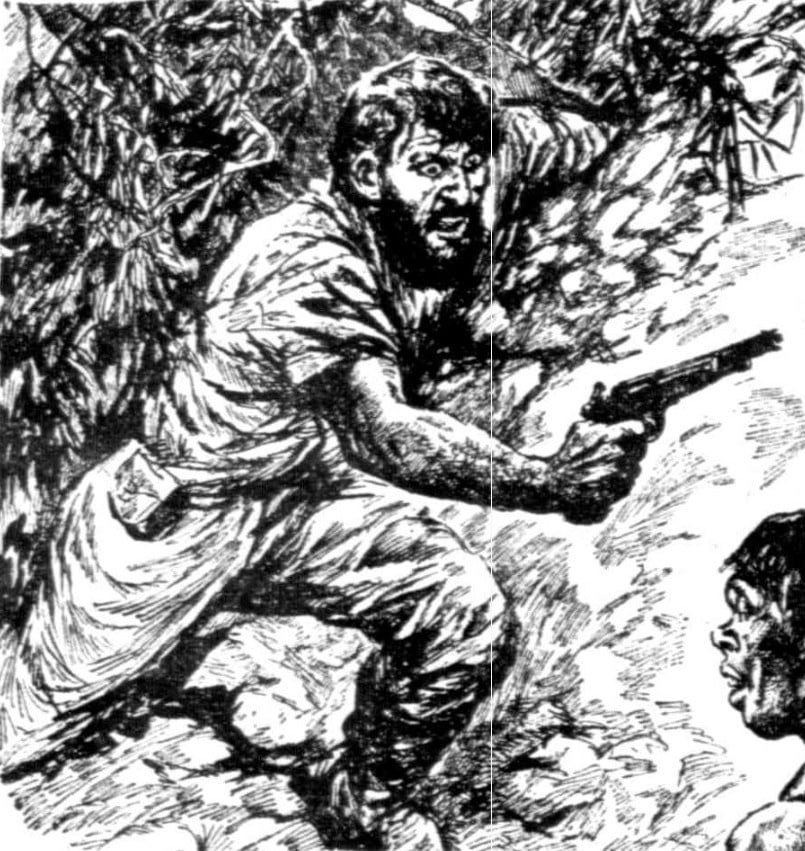
Andrei Chikatilo cut the eyes from his victims, believing the dead retained an image of their killer burned into their retinas. He could only reach climax while torturing or murdering, and prosecutors said he ate parts of his victims, including their sexual organs, over a killing spree across the Rostov region that claimed at least 52 lives, mostly women and children lured into forests and fields.

On this day a Russian court convicted him on all counts. He was executed by a single shot to the back of the head, a death far quicker than any he gave the people he killed.

Cannibalisation of some of the victims.

⬅ See all events from 15 October

Spread the word on your favourite platform!
On This Day in True Crime History

Subscribe to Dark Stories

True crime stories, dark history and tour news, straight to your inbox.