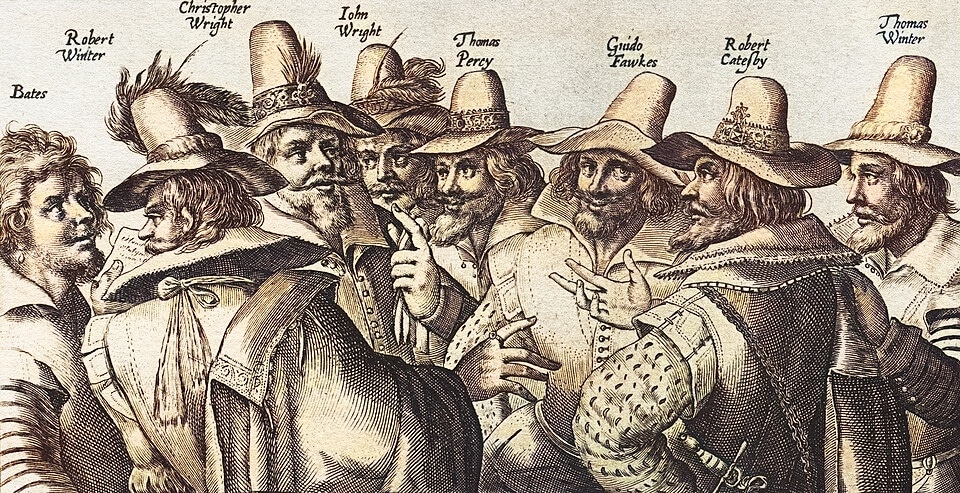
On this day in True Crime History, we revisit the 8th February.
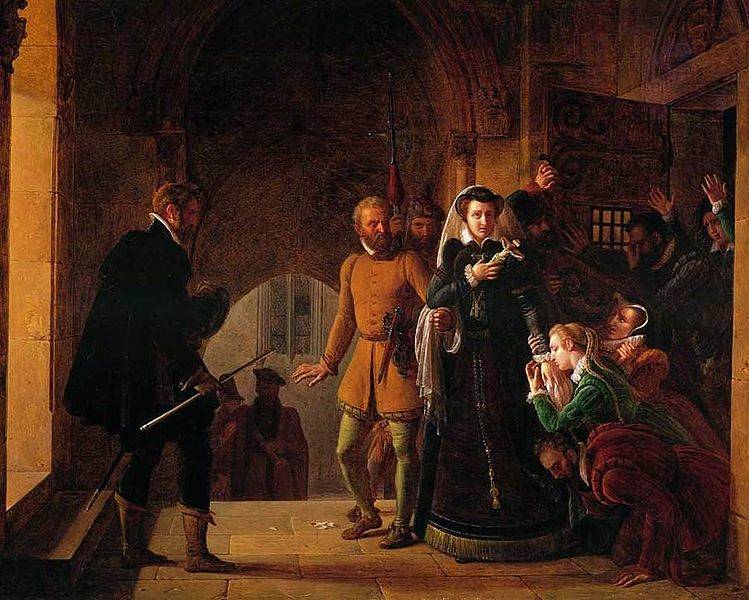
1587: ⚔️ The Execution of Mary, Queen of Scots, for Suspected Conspiracy
On this day in 1587, Mary, Queen of Scots, a figure entwined in political intrigue and dynastic struggles, was executed. Born in 1542, she became queen of Scotland at just six days old after her father's death.
Her early life was marked by a brief betrothal to the English Prince Edward, a move that sparked conflict due to religious differences. She was instead sent to France, where she married Francis II, becoming queen consort of France at 16. Widowed at 18, she returned to Scotland, a realm divided by religious strife.
Mary's reign in Scotland was turbulent, characterized by her marriage to her cousin Lord Darnley, whose murder and her subsequent marriage to the prime suspect, the Earl of Bothwell, led to widespread scandal and her forced abdication in favor of her infant son, James VI of Scotland (later James I of England).
Fleeing to England for protection, she became a prisoner of her cousin, Elizabeth I, due to her strong Catholic claim to the English throne. After 19 years of captivity she was caught in conspiracy to murder Queen Elizabeth, leading to her demise, leaving a legacy of martyrdom for her Catholic supporters.
Her execution was infamously botched and took three blows of the axe to complete the job. ⚖️👑📜
1792: 🍞 James Collington's Execution for Bakery Burglary
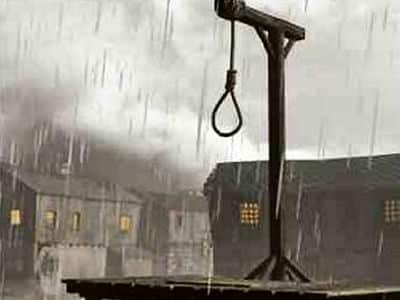
On this day in 1792, James Collington met a grim end, hanged for the theft of bread and flour from the hut of John Campbell, a laborer who provided baking services to the public, as well as a check apron belonging to Susanah Bray, who resided in the same dwelling.
At the hanging tree he addressed the convicts, warning them to avoid the path he had pursued; but said, that he was induced by hunger to commit the crime for which he suffered. He appeared desirous of death, declaring that he knew he could not live without stealing.
This severe punishment for seemingly petty theft was considered necessary as a means for keeping law and order intact owing to the near starvation rations that existed in the colony at this time. 🏚️⚖️💔
1799: 🚨 James Reece's Desperate Final Act Before Execution
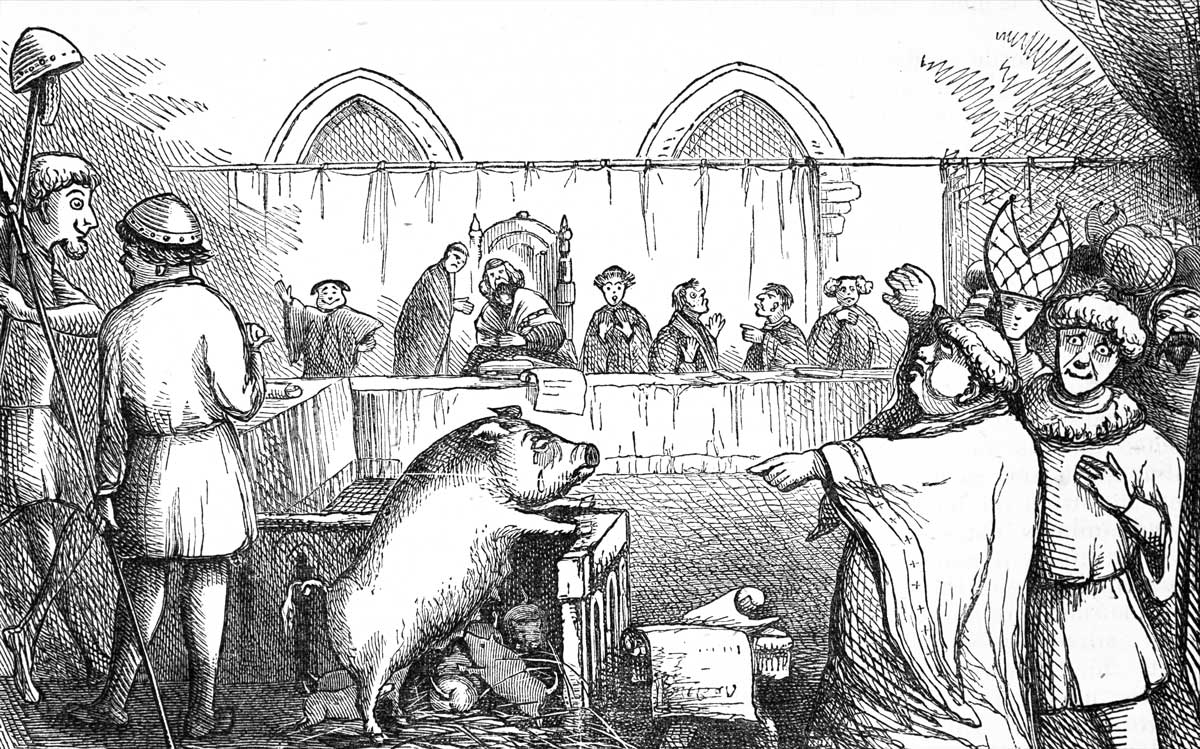
On this day in 1799, James Reece was hanged for a crime involving a sow, which was a capital offence under the severe moral and legal codes of the time.
Reece's case was particularly notable not only for the nature of the crime but also for his actions on the day of his execution. Having previously been granted a reprieve at the gallows, Reece made a desperate attempt to escape his fate by attempting to cut his own throat on the morning he was to be executed.
The attempt was not fatal and was likely an attempt to buy more time in order to plan an escape attempt rather than a genuine desire for death.
1879: 🏦 Ned Kelly's Daring Raid on Jerilderie
On this day in 1879, the notorious Ned Kelly and his gang executed one of their most audacious heists, targeting the small town of Jerilderie.
In a display of cunning and boldness, they captured two police officers, securing them in their own cells, before proceeding to rob the local bank. This event not only showcased the gang's expert planning and brazenness but also highlighted Kelly's complex relationship with authority and his sense of social justice.
His declaration, "I am a widow's son outlawed and my orders must be obeyed," underscored his defiance and the desperate resolve of a man cornered by circumstances.
The raid culminated in the drafting of The Jerilderie Letter, an outlaw's manifesto that served as a poignant narrative of Kelly's grievances against the police and the judicial system, sealing his legacy as one of Australia's most emblematic and polarizing figures. 📜🔒💰
1950: 🕵️♂️ The Founding of the Stasi in East Germany
On this day in 1950, East Germany saw the establishment of the Stasi, or “Staatssicherheit,” marking the inception of one of the most repressive and feared secret police agencies in the world.
The Stasi was notorious for its extensive surveillance and espionage activities, both within East Germany and abroad, aimed at suppressing dissent and controlling every aspect of citizens' lives. Its methods included informants, wiretapping, and extensive personal surveillance, creating an atmosphere of fear and mistrust among the population.
The agency's vast network and ruthless tactics made it a symbol of the oppressive nature of East German communist rule. The Stasi was dissolved in 1990, following the fall of the Berlin Wall and the subsequent reunification of Germany, but its legacy remains a chilling reminder of the dark side of surveillance and state control. 🔍💔
Spread the word on your favourite platform!