1692: Five Hanged at Salem in a Single Day for Witchcraft

On 19 August 1692, five people were executed by hanging at Salem, Massachusetts, after being convicted of witchcraft: Martha Carrier, George Jacobs Sr., George Burroughs, John Willard, and John Proctor. The executions were among the most notorious of the Salem witch trials, a period of mass hysteria that gripped colonial New England.

Fourteen more people would be executed before the year was out, and 150 others were imprisoned. The Salem trials remain one of the darkest episodes in early American legal history.
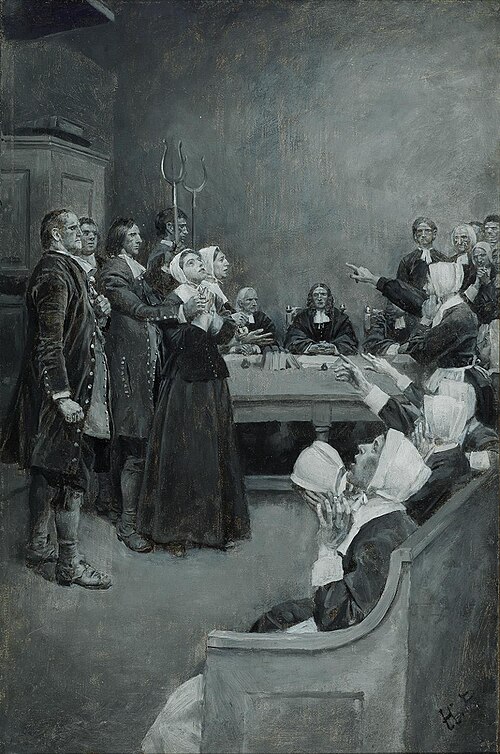

Painting of two alleged witches being tried in Salem, Massachusetts as part of the infamous witchhunts.

⬅ See all events from 19 August

Spread the word on your favourite platform!

1612: The Pendle Witch Trials Begin: Eleven Accused in One of England’s Most Documented Witchcraft Cases

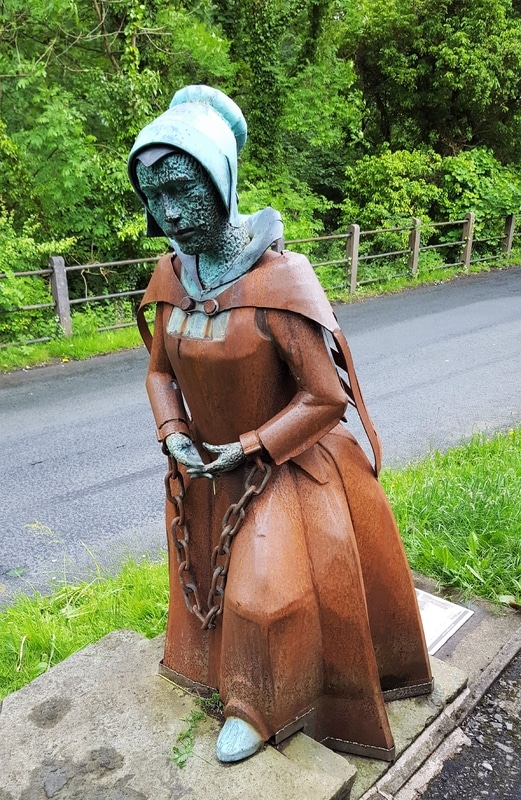
In August 1612, eleven people stood trial at Lancaster Castle accused of witchcraft in one of the most thoroughly documented witch trials in English history. Six of the accused came from two rival poverty-stricken families: the Demdikes, led by Elizabeth Southerns known as Old Demdike, and the Chattoxes, led by Anne Whittle known as Mother Chattox. The trials unfolded against a backdrop of religious unrest in Lancashire, a region long regarded as resistant to Protestant authority and sympathetic to Catholicism.

Ten of the eleven were found guilty and executed. The proceedings were recorded in an official publication, The Wonderfull Discoverie of Witches in the Countie of Lancaster, by court clerk Thomas Potts, ensuring the case survived as legend. In a country where fewer than 500 people were executed for witchcraft over three centuries, this single summer of trials in Pendle accounts for roughly 2% of that total.

Sculpture of Alice Nutter famous English witch. Sculpture of Alice Nutter captured on the way to Pendle hill, famous witch trail and the history of the English witch craft. | ID 113675970 © Milosz Kubiak | Dreamstime.com
ID 113675970 © Milosz Kubiak | Dreamstime.com

⬅ See all events from 18 August

Spread the word on your favourite platform!

1857: Alexander Cullen Hanged at Campbell Street Gaol for the Murder of Betsy Ross

Betsy was known to frequent the Red Lion Tavern in Liverpool Street and was living with Cullen in a house behind the tavern. On the night of the murder, witnesses saw her drinking at the Red Lion before she later returned towards the area with Cullen.

Cullen had lost his wife only a few months earlier and was supporting his young daughter. His landlord described him as sober, hardworking and careful with money, saying Cullen would sometimes explain how much he had earned, pay half towards the rent, and keep the rest “to feed the child.”

Later that night, Betsy was found dead inside their home with a bloodied tomahawk beside her. Cullen was arrested with blood on his hands and later admitted, “I have done it, and I am sorry for it.” He was convicted of murder andexecuted at the Campbell Street Gaol.

Alexander Cullen Hanged at Campbell Street Gaol for the Murder of Betsy Ross

⬅ See all events from 18 August

Spread the word on your favourite platform!

1891: Arthur Cooley Hanged at Campbell Street Gaol for the Murder of Mary Camille Ogilvy

Mary Camille Ogilvy, wife of a magistrate of Inverquharity station near Richmond, Tasmania, was shot dead on the morning of 14 August 1891 while walking back from the gate after seeing her husband off to the Richmond Police Court.

Her body was found the following dawn, pinned beneath a willow in the Coal River, with part of her skull destroyed by a gunshot. Evidence suggested she had been shot some 50 yards from the water and her body dragged to the riverbank. A search party of nearly 100 people with lanterns had scoured the district through the night before she was found.

Arthur Cooley, a young man already on bail awaiting trial for an assault charge, was arrested as the prime suspect and faced a coroner’s inquest that same Saturday afternoon. Public anger in the district was described as approaching lynching point. Cooley was convicted of the murder and hanged at Campbell Street Gaol on 17 August 1891.

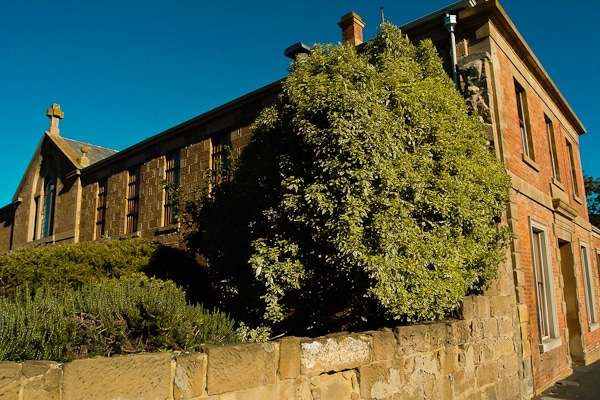
Hobart Gaol prison exterior historic stone building

⬅ See all events from 17 August

Spread the word on your favourite platform!
On This Day in True Crime History

Subscribe to Dark Stories

True crime stories, dark history and tour news, straight to your inbox.