Richard James: Highwayman of the Oxford Road

Richard James is barely twelve years old when the world discards him. His father, a nobleman's cook, vanishes from his life early, and the boy is packed off to sea: a disposable child in old England's long machine of poverty and neglect.

What follows is a restless orbit of misfortune: captured by Spaniards, taken in by a kind house-painter abroad, drawn home by longing for England, only to find that England has nothing left for him. He marries too young, loses his wife to another man, and drifts toward the only trade that pays without asking questions.

His story is one of the rawest pieces of true crime from old England's highways: listen now and ride the Oxford Road with Richard James.
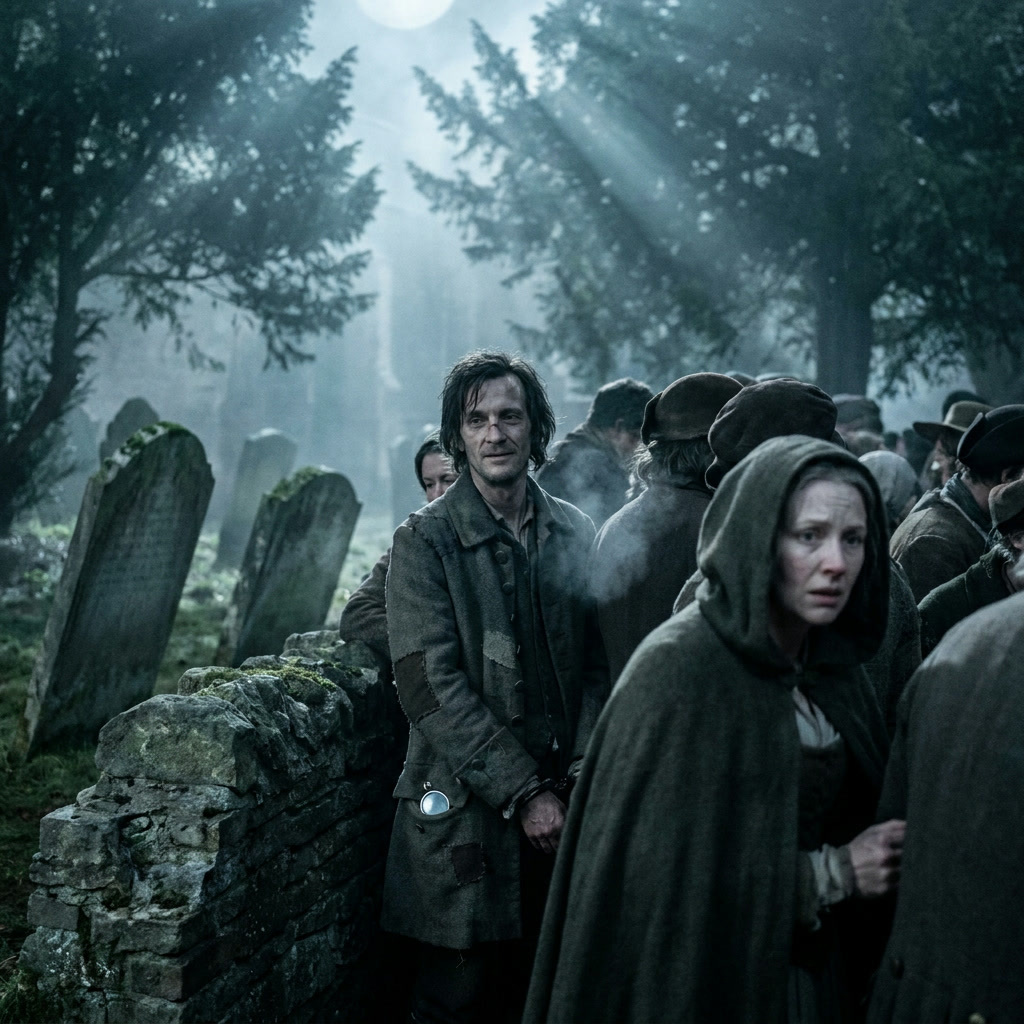
Richard James: Highwayman of the Oxford Road

Follow the podcast so you never miss an episode:

Apple PodcastsSpotifyAmazon MusicMore apps

FROM THE 1735 TEXT

He looked upon it as a very happy relief from a very troublesome and uneasy life.

CASE FILE No. 13
NAMERichard James
AGEabout 30
WHENEarly 1730s
WHEREOxford Road, Hanwell Green, London
CHARGEHighway robbery
FATEHanged at Tyburn
SOURCELives of the Most Remarkable Criminals, 1735
HANGED

Dark Lexicon: Old words. Dark meaning.

The past speaks its own dialect; here is what to listen for in this episode.

Profligate: in old England this did not simply mean wasteful with money; it described a person morally abandoned, someone who had thrown off all restraint. To call a man profligate was to say his soul was ruined as thoroughly as his purse.

Disobliged: today we might say 'offended' or 'alienated.' In old England, to disoblige someone was to undo whatever goodwill they owed you: a quiet, devastating word for burning your last bridges.

Betake him: an old reflexive phrase meaning to commit oneself to a course of action. When James 'betook him to the sea,' it meant he had no other path; it carried the weight of surrender.

Viz.: short for the Latin 'videlicet,' meaning 'namely' or 'that is to say.' Writers in old England dropped it into sentences the way we might write 'i.e.' today: a crisp, clipped signal that the ugly truth was about to be named.

Waggoners: not casual travellers but the commercial drivers hauling goods by wagon along England's main roads. Robbing waggoners on the Oxford Road was both profitable and ruthless: these were working men carrying other people's freight.

Reprieve: a temporary suspension of a death sentence. In old England a reprieve was not a pardon; it was a pause, a breath between the verdict and the rope, sometimes granted by royal mercy and sometimes simply delayed until the next hanging day.

Place of execution: almost always Tyburn, the notorious gallows west of London where crowds gathered to watch the condemned die. In old England, your last words at the scaffold were a public performance; the crowd expected a speech, and they judged you by how well you gave it.

Ignominious: shameful, publicly disgraceful. James used the word himself at the scaffold, naming his own death as a thing of dishonour: not because he feared it, but because he understood the spectacle the law was making of him.

About This Series

Lives of the Most Remarkable Criminals (1735) is one of the earliest works of true crime in the English language. Each week this podcast retells one of its stories for today's listener, keeping the old book's most striking lines.
Spread the word on your favourite platform!

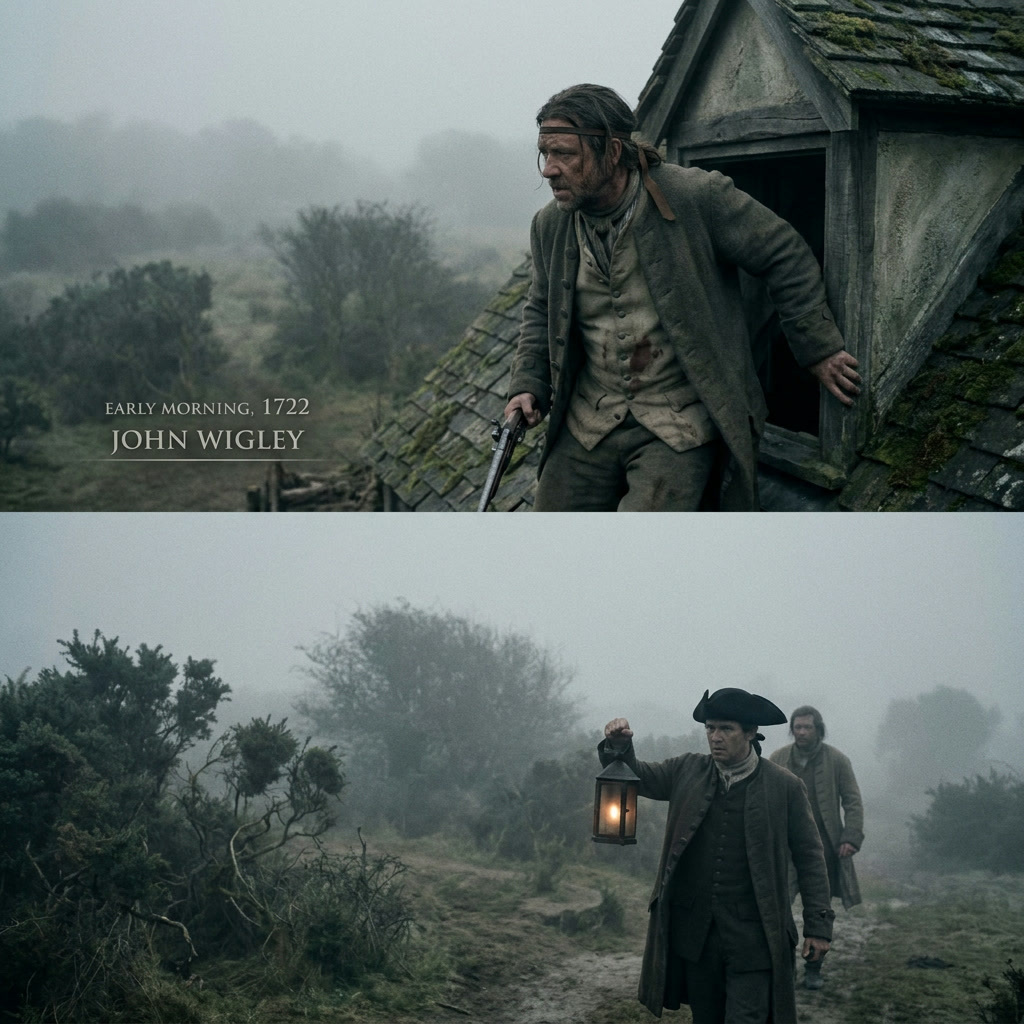
John Wigley: The Lone Highwayman of Finchley Common

John Wigley is a plasterer by trade but a highwayman by nature, prowling the lonely roads around Finchley Common for years before a single night of company brings him down. He lives with an old woman who sells brandy on the common: the same woman whose former husband turned up dead in a barn near Hornsey under circumstances no one can quite explain.

In old England, the solitary robber was a rare breed; most thieves ran in gangs, bound by oaths and mutual threat. Wigley despises gangs, convinced that when a man's life is on the line, loyalty crumbles: yet the one time he breaks his own rule and rides out with two accomplices, everything falls apart.

Step onto the dark roads of old England and hear what happens when a lone wolf makes one fatal compromise.

John Wigley: The Lone Highwayman of Finchley Common

Follow the podcast so you never miss an episode:

Apple PodcastsSpotifyAmazon MusicMore apps

FROM THE 1735 TEXT

When life came to be touched, they hardly ever failed of betraying all they knew.

CASE FILE No. 10
NAMEJohn Wigley
AGEabout 40
WHEN1730s
WHEREFinchley Common, Islington, London
CHARGEHighway robbery
FATEHanged, same day as the malefactors last mentioned
SOURCELives of the Most Remarkable Criminals, 1735
HANGED

Dark Lexicon: Old words. Dark meaning.

The past speaks its own dialect; here is what to listen for in this episode.

Ill courses: a polite way of saying a criminal lifestyle. In old England, to fall into 'ill courses' meant sliding from honest work into theft, fraud or worse: a moral descent wrapped in gentle phrasing.

Confederacies in villainy: organized criminal partnerships, what we would simply call gangs today. In old England, the word 'confederacy' carried a whiff of treasonous conspiracy, making even a band of petty thieves sound like plotters against the state.

Malefactor: a person who commits a crime, from the Latin for 'one who does evil.' Courts and chroniclers in old England favoured this term; it carried a moral weight that 'criminal' somehow lacks.

Benighted: today it means ignorant or unenlightened, but in old England it meant literally overtaken by nightfall while travelling. Being benighted on a country road was genuinely dangerous: you might stumble into a ditch, a barn, or the path of someone like Wigley.

Rapine and plunder: rapine is the violent seizure of property, a step beyond mere theft. Paired with plunder, it describes a life of aggressive, predatory crime: taking by force whatever you could carry.

Sessions: the regular sittings of a criminal court, typically held at the Old Bailey in London. In old England, the 'ensuing sessions' meant the next scheduled court date: your window between arrest and trial could be agonizingly short.

Immediate hand of Providence: the belief that God actively intervened to prevent criminals from prospering. Wigley himself observed this pattern: no matter how much a thief stole, the money seemed to evaporate, as though a divine force ensured crime never paid.

About This Series

Lives of the Most Remarkable Criminals (1735) is one of the earliest works of true crime in the English language. Each week this podcast retells one of its stories for today's listener, keeping the old book's most striking lines.

Spread the word on your favourite platform!
On This Day in True Crime History

Subscribe to Dark Stories

True crime stories, dark history and tour news, straight to your inbox.