1924: The Lawman Who Outlived the Wild West, Gunned Down by a Drunk Prohibition Agent

Bill Tilghman had survived three decades of gunfights with the likes of the Doolin gang, becoming one of the most celebrated marshals of the American frontier. At 70, long past his famous years, he took one more job: cleaning up Cromwell, Oklahoma, a lawless oil boomtown soaked in bootleg whisky and corruption.

On 1 November 1924, a federal Prohibition agent named Wiley Lynn, drunk and firing his pistol wildly in the street, drew Tilghman's attention. The old marshal moved in to disarm him as he had disarmed countless outlaws before. Lynn shot him dead instead. The killer, himself notorious for corruption, stood trial but was acquitted, walking free from the death of the man sent to clean up the very town he had helped poison.
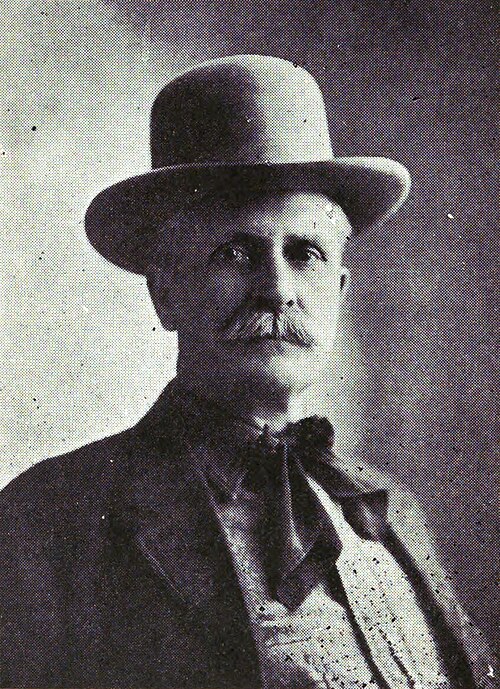

Portrait of lawman William Bill Tilghman

⬅ See all events from 1 November

Spread the word on your favourite platform!

1888: Mutiny on the Brisbane River: the Captain Who Threatened to Turn His Guns on Parliament

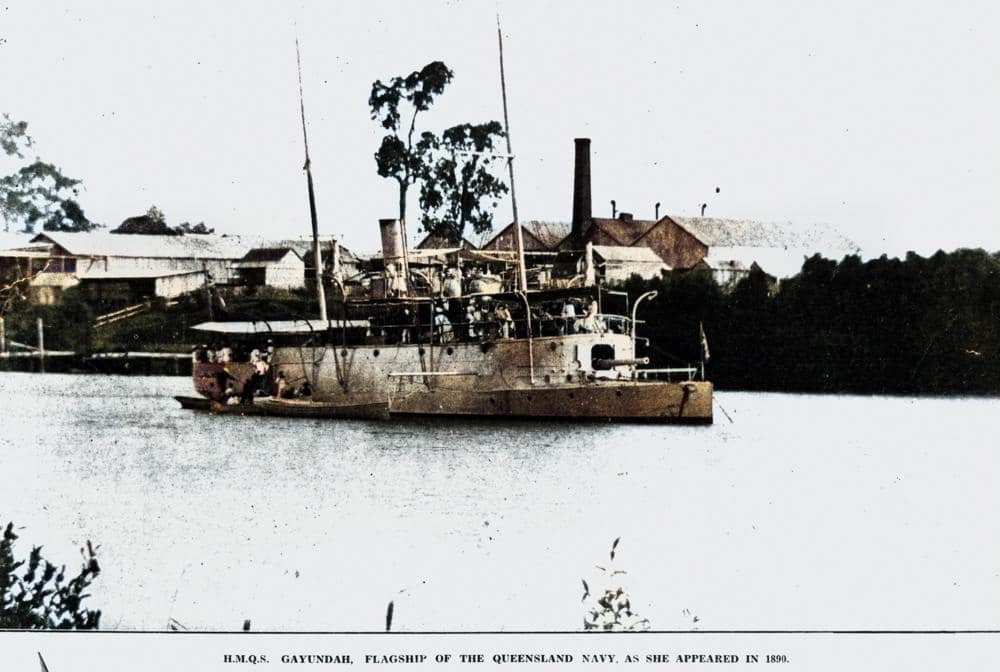
Captain Henry Townley Wright refused to hand command of the gunboat Gayundah to his second officer, Lieutenant Francis Taylor, and had him arrested instead, declaring the vessel under Royal Navy authority rather than the Queensland government. He threatened to train the ship's guns on the Parliament building overlooking the Brisbane River while loading coal and three months of supplies, apparently preparing to sail for Sydney rather than be dismissed over a long running dispute about unauthorised spending of public funds.

On this day in 1888, the Colonial Secretary sent the Police Commissioner and twenty armed constables to retake the ship, drawing a crowd of two thousand onlookers to the riverbank. After a tense standoff, Wright accepted defeat. He wrote a formal letter of protest, read it aloud on deck, released Taylor from arrest, then calmly borrowed a light for a cigarette from a bystander before stepping ashore under police escort.

HMQS Gayundah Queensland Navy flagship in 1890

⬅ See all events from 25 October

Spread the word on your favourite platform!

1973: Nixon Defies the Courts: the Watergate Tapes Standoff That Doomed a Presidency

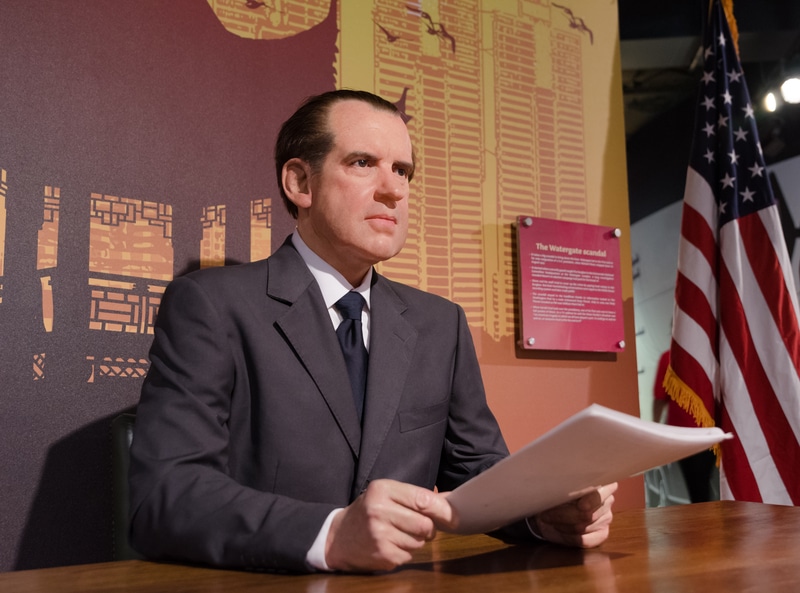
Richard Nixon had a choice: hand over the secret Oval Office recordings a court had ordered released, or dig in. On 19 October 1973, he chose defiance, rejecting an Appeals Court demand to turn over the Watergate tapes, recordings that held the conversations investigators believed would prove his role in the cover-up.

The refusal pushed Nixon to the edge of contempt of court and deepened a crisis that had already consumed his presidency. Rather than hand over the evidence, he tried to offer summaries in its place, a move that satisfied no one and only hardened suspicion that the tapes contained exactly what his accusers suspected. The standoff over those recordings would drag on for months, and it was the eventual release of the tapes that sealed his resignation the following year.

President Richard Nixon made of Wax. Wax figure Richard Nixon reading documents with american flag at desk | ID 59298060 © Lequint | Dreamstime.com
ID 59298060 © Lequint | Dreamstime.com

⬅ See all events from 19 October

Spread the word on your favourite platform!

1974: Nixon Walked Free on a Pardon While His Own Attorney General Went to Prison: the Watergate Cover-Up Trial

Five men who had run Richard Nixon's White House and Justice Department went on trial in Washington in October 1974, charged with conspiracy, obstruction of justice and perjury for trying to smother the investigation into the break-in at the Democratic National Committee offices two years earlier.

The trial ran three months. On January 1, 1975, a jury convicted former Attorney General John Mitchell along with chief of staff H.R. Haldeman and aide John Ehrlichman on multiple felony counts; a co-defendant was acquitted. The one man missing from the dock was Nixon himself, who had resigned the previous August and been pardoned by President Gerald Ford before he could ever be charged, leaving the men who had followed his orders to serve the time he never did.

President Richard Nixon made of Wax. Wax figure Richard Nixon reading documents with american flag at desk | ID 59298060 © Lequint | Dreamstime.com
ID 59298060 © Lequint | Dreamstime.com

⬅ See all events from 1 October

Spread the word on your favourite platform!
On This Day in True Crime History

Subscribe to Dark Stories

True crime stories, dark history and tour news, straight to your inbox.