1894: H. H. Holmes Kills Accomplice in Philadelphia Insurance Fraud Murder

On September 4, 1894, serial killer H. H. Holmes murdered his accomplice Benjamin Pitezel at 1326 Callowhill Street in Philadelphia. The original scheme called for Pitezel to fake his own death under the alias 'B.F. Perry', supposedly killed in a lab explosion, with Holmes supplying a substitute corpse so that Pitezel's wife could collect a $10,000 life insurance policy. Instead, Holmes knocked Pitezel unconscious with chloroform and burned his body with benzene, staging the death as an accident.

A coroner's jury returned a verdict of accidental death, and Pitezel's body was buried in a potter's field. Three weeks later, Holmes collected the $10,000 payout. The murder only unravelled after Philadelphia detective Frank Geyer investigated, ultimately exposing Holmes as one of the most prolific killers in American history.
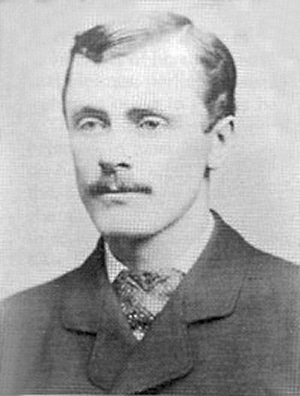

Benjamin Pitezel; associate of H.H.Holmes

⬅ See all events from 4 September

Spread the word on your favourite platform!

1946: The Lipstick Killer Pleads Guilty, Then Tries to Cheat the Verdict

On September 4, 1946, William Heirens stood before a Chicago court with his parents and the victims' families watching, and admitted guilt on burglary and murder charges spanning three killings. The prosecution had already staged a public reenactment of the Degnan murder in August, ensuring the case was tried in the press long before sentencing.

That night, Heirens attempted to hang himself in his cell, timing the attempt to coincide with a guard shift change. He was discovered before he died. He later said: 'Everyone believed I was guilty ... If I weren't alive, I felt I could avoid being adjudged guilty by the law and thereby gain some victory. Before I walked into the courtroom my counsel told me to just enter a plea of guilty and keep my mouth shut afterward. I didn't even have a trial.'

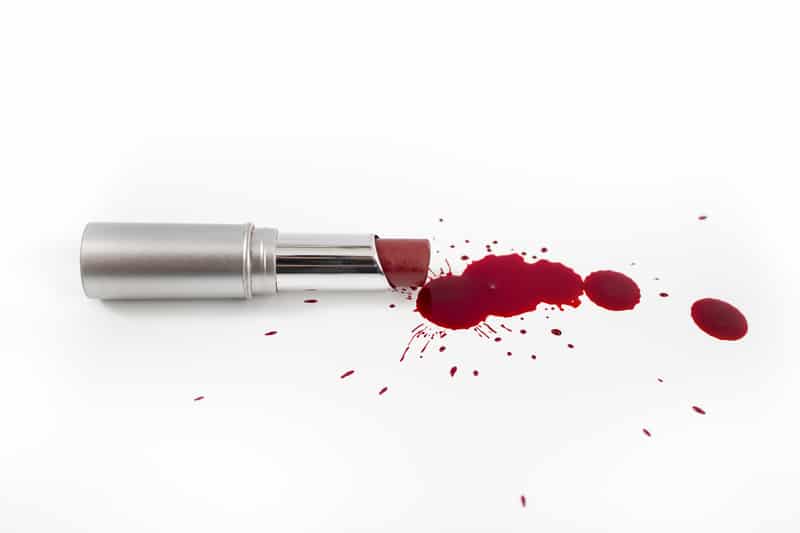
Red lipstick with blood splatter on white background, close up

⬅ See all events from 4 September

Spread the word on your favourite platform!

1981: Andrei Chikatilo Resumes Killing After a Three-Year Pause

Soviet serial killer Andrei Chikatilo had committed his first murder in 1978, preying on young victims lured from rail stations and bus depots around Rostov-na-Donu. By 1981, after a three-year hiatus that investigators could scarcely explain, he resumed killing. Poverty and the decay of Soviet society made his victims easy to isolate: young people drifting toward cities with no contacts, no money, and no one to report them missing.

Chikatilo would not be caught for nearly another decade. In 1984, police briefly detained him but a botched blood typing test cleared him. He was convicted of theft and served three months. By 1990, when he was finally arrested, he had murdered at least 50 people. Soviet authorities had actively suppressed public warnings during the investigation, maintaining that serial murder was ideologically incompatible with communist society.

Aerial view of Rostov

⬅ See all events from 3 September

Spread the word on your favourite platform!

1963: The Trap That Caught Serial Killer Eric Edgar Cooke

In August 1963, Perth police discovered a rifle hidden in bushes, linked to the murder of Shirley McLeod. Rather than remove it, they set a trap: replacing the weapon with an inoperable replica tied with fishing line, then waited.

On 1 September 1963, Eric Edgar Cooke returned to retrieve the rifle and was arrested on the spot. Under questioning, he confessed to 22 violent crimes, including eight murders, making him one of the deadliest serial killers in Australian history.

Captured trying to retrieve the hidden weapon

⬅ See all events from 1 September

Spread the word on your favourite platform!
On This Day in True Crime History

Subscribe to Dark Stories

True crime stories, dark history and tour news, straight to your inbox.