1875: An Gaa Hanged at Melbourne Gaol for the Murder of a Mining Partner at Vaughan

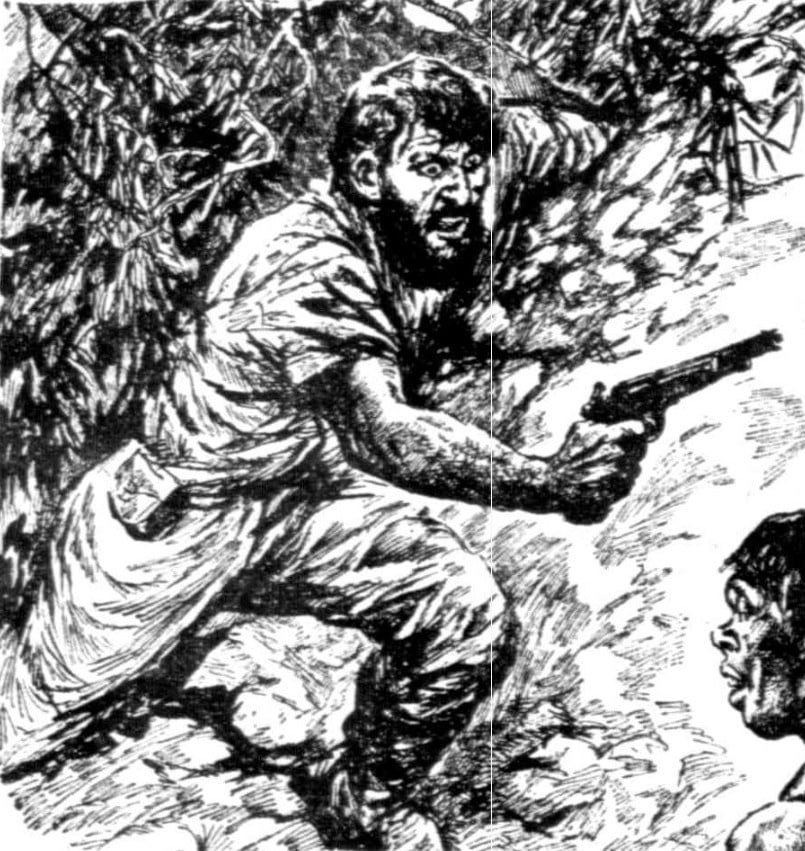
In June 1875, a Chinese miner was found dead at a hut near the goldfields of Vaughan, central Victoria. An Gaa, who shared the hut with the deceased, was found calmly eating rice by candlelight when Constable King and a Chinese interpreter arrived to investigate.

The scene was disturbing: the body lay on its side, a used opium pipe in the hand, blood soaked through the straw bunk and into the wood beneath, and a wet towel stained with blood and water nearby. An Gaa claimed to know nothing of how his housemate had died.

Tried before Justice Sir Redmond Barry in July 1875, An Gaa was convicted of murder. He was hanged at Melbourne Gaol on 30 August 1875.
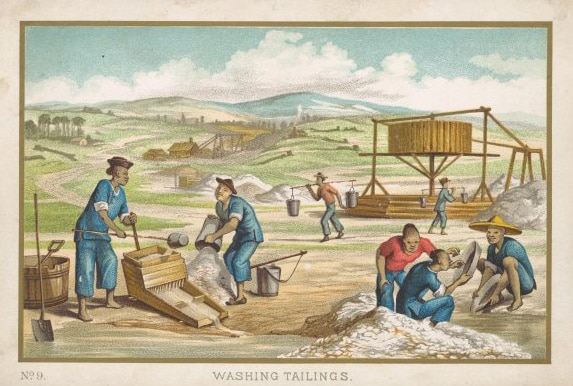

Workers washing mining tailings in the 1870s

⬅ See all events from 30 August

Spread the word on your favourite platform!

1905: Pearl Trader Lured Aboard and Murdered in Broome for a Stolen Pearl

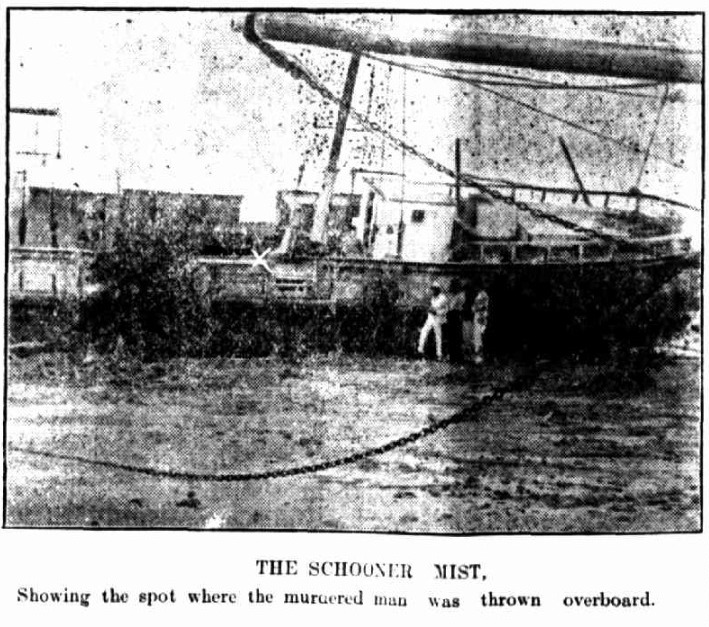
Mark Liebglid, a commercial traveller who bought and sold pearls in Perth-region waters for Freedman and Co. and Falk and Co., was lured aboard the abandoned schooner Mist in Broome harbour on 30 August 1905 under the pretence of viewing a stolen pearl. Known for flashing a large money clip, a gold signet ring, and a willingness to buy pearls of questionable provenance, Liebglid was beaten with a slingshot and oars by Charles Hagen, Pablo Marquez, and Simeon Espada, then drowned. His body was found floating near the vessel the following morning.

The stolen pearl at the centre of the plot was believed to have been hidden by a crew member in a coil of rope with its whereabouts never conclusively confirmed.

Schooner Mist showing where Mark Leibglid was thrown overboard

⬅ See all events from 30 August

Spread the word on your favourite platform!

1843: Bushranger Martin Cash Captured After Shooting a Constable Dead in Hobart

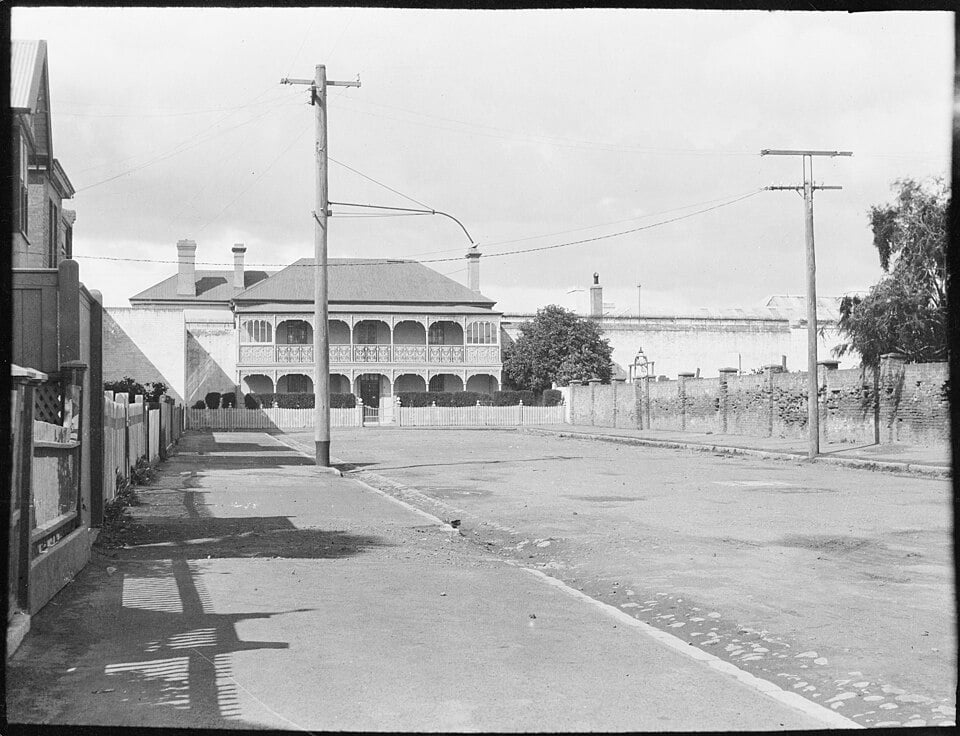
On 29 August 1843, notorious bushranger Martin Cash was captured in Hobart after venturing into the town in search of his former partner, Bessie, who had taken up with another man. Cash, a wanted escapee with a substantial government reward on his head, was spotted by two plain-clothes constables in Harrington Street, close to Bessie’s address and only about 100 yards from the watch-house. He fled through the streets, firing at his pursuers, and in attempting to reach the Domain mistakenly ran into a dead end near the Campbell Street Gaol. Forced to turn back, he lost ground; the spot later became known as Martin’s Mistake. Near the Old Commodore Inn, Constable Peter Winstanley tried to seize Cash and was shot at close range. Cash was eventually wrestled to the ground and captured after a violent struggle. Winstanley died two days later, on 31 August. Cash was convicted of his murder and sentenced to death, but received a last-minute reprieve and was transported for life to Norfolk Island. Cash ultimately survived his years as a bushranger and convict, dying in Tasmania in 1877. He also left behind his own account of his life, dictated to James Lester Burke and published in Hobart in 1870 as The Adventures of Martin Cash, one of the best-known first-person accounts of Australian bushranging and the convict era.

Residence of the Governor of the Hobart Gaol, at the end of Melville Street, known colloquially as Martin's Mistake.
Residence of the Governor of the Hobart Gaol, at the end of Melville Street, known colloquially as Martin’s Mistake.

⬅ See all events from 29 August

Spread the word on your favourite platform!

1857: Frederick Turner Hanged at Melbourne Gaol for Armed Robbery and Attempted Murder

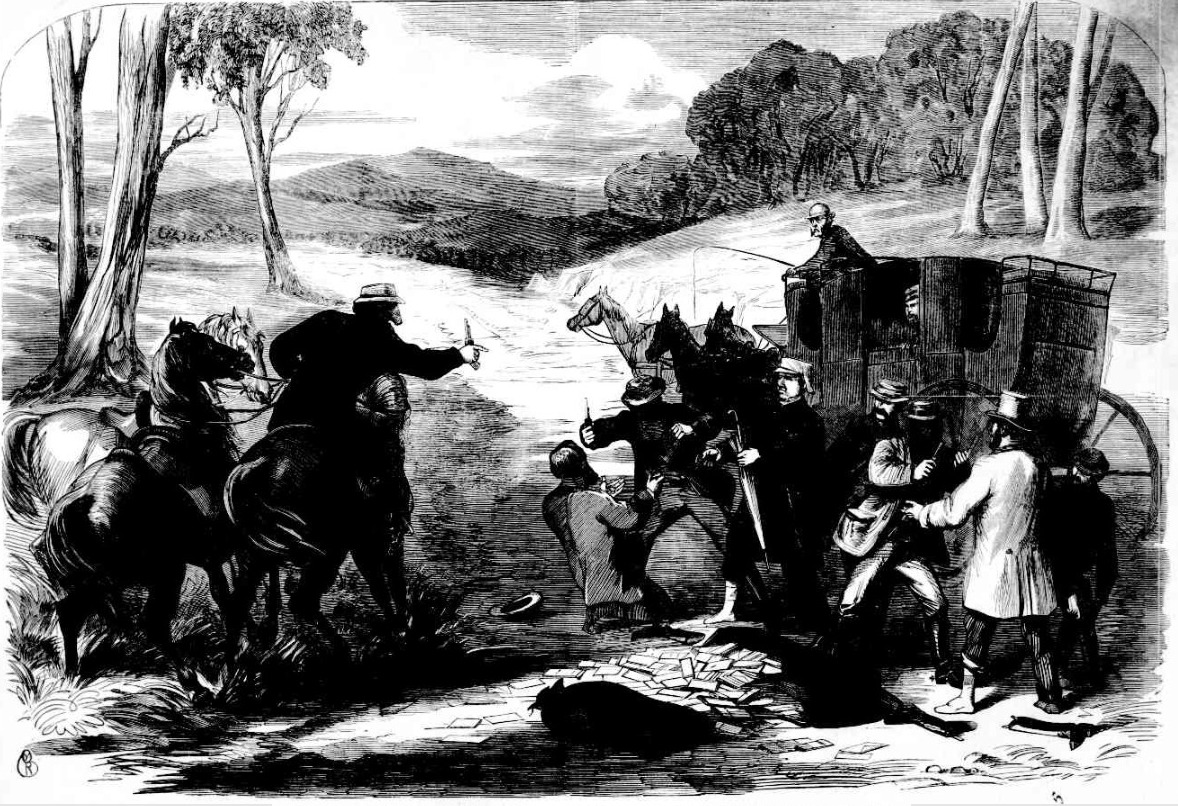
Frederick Turner, just 21 years old, was hanged at Melbourne Gaol on 28 August 1857 for robbery under arms on the Flemington Road. He and accomplices had robbed a labouring man near Flemington, and when the victim begged for the return of half a crown to feed his children, Turner drew a revolver and fired at his head. The ball glanced off, inflicting only a minor wound, but the intent was clear. Turner had arrived in Victoria as a free emigrant aboard the William Jardine in 1849, accompanied by his parents and brother.

Convicted at the Criminal Sessions of highway robbery and shooting with intent to murder, Turner went to the gallows clinging to hope of a reprieve that never came. He refused to reveal his real name, admitting only that idleness and dissolute company had been his ruin.

He maintained he had never intended to kill his victim, and this belief appeared to sustain a lingering, ill-founded hope that mercy would be shown to him in this world.

Bushranger Robbery Under Arms

⬅ See all events from 28 August

Spread the word on your favourite platform!
On This Day in True Crime History

Subscribe to Dark Stories

True crime stories, dark history and tour news, straight to your inbox.