1842: Man Hanged at Melbourne for the Killing of an Overseer at Mount Rouse

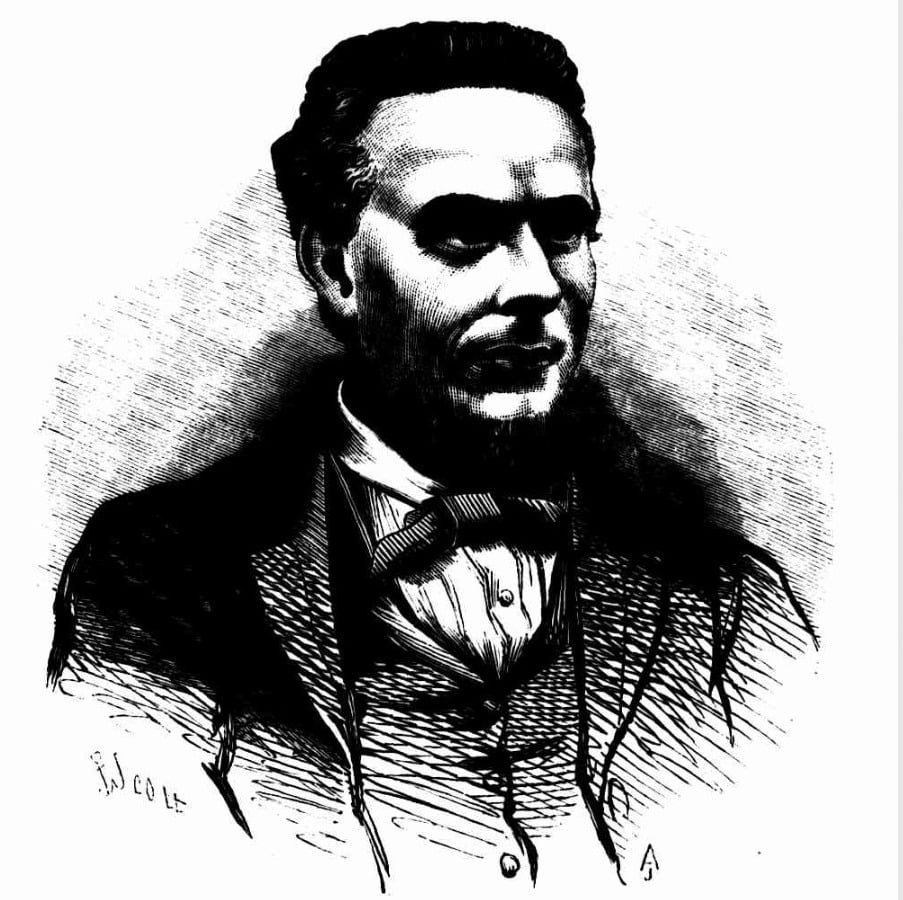
On 5 September 1842, a man known as Figara Alkapareet was hanged in the Port Phillip District for his alleged part in the killing of an overseer named Codd at Mount Rouse two years earlier. Witnesses placed Figara among a group of men who attacked Codd, although questions surrounded his identification and Figara maintained that it was his brother who had been at Mount Rouse while he was elsewhere washing sheep.    After a jury found him guilty, Figara was sentenced to death. Contemporary accounts described him as meeting his fate with a sense of “natural resignation,” apparently accepting his approaching death without outward resistance.    His execution provoked criticism in the newspapers, which questioned the justice and usefulness of the punishment amid the violent conflict and dispossession of the period. Even at the time, Figara’s death prompted debate over whether the law was being applied justly.


View from Mount Rouse summit over Southern Grampians plain

⬅ See all events from 5 September

Spread the word on your favourite platform!

1850: James Yates Hanged at Adelaide Gaol for the Murder of a Shepherd

James Yates was hanged outside Adelaide Gaol on 5 September 1850 for the murder of a shepherd at Skillagolee Creek. Around 800 spectators gathered in the rain before dawn to witness the execution, the gibbet erected within yards of the gaol’s front door, the coffin placed directly beneath the drop.

Yates ascended the ladder with a firm step, but his hollow eyes, ashen cheeks, and wasted frame betrayed the torment of his final weeks. On the drop he kicked off his boots with restless fury, then knelt reluctantly to prayer. Yates spoke no address to the crowd. His only words, repeated until the drop fell, were: ‘Lord have mercy on me, Christ have mercy on me, Lord, Jesus, have mercy on me.’

The hangman placed the noose under the wrong ear, but the drop was sufficient to break the neck, and death came quickly.

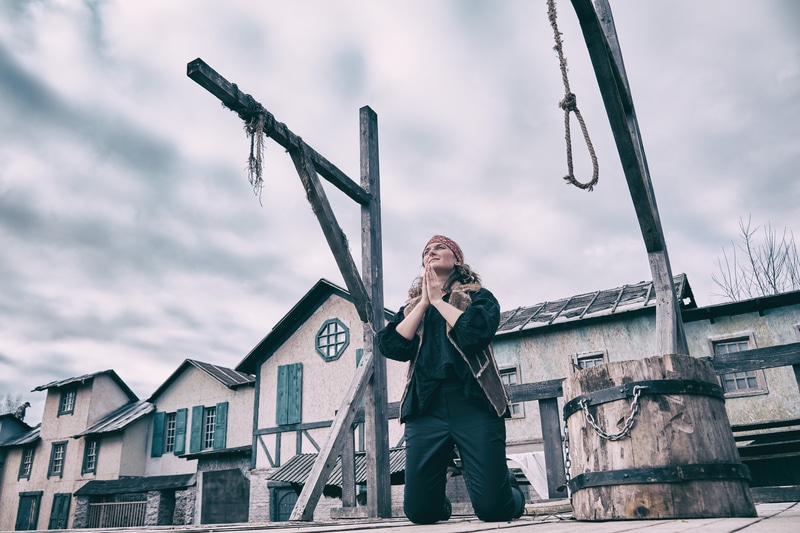
Robber woman in retro clothes praying near gallows for hanging criminals

⬅ See all events from 5 September

Spread the word on your favourite platform!

1873: A Husband Killed by Mercury in Moonta, South Australia

Thomas Woolcock died at 3 am on 4 September 1873 in Moonta, Adelaide having suffered weeks of stomach pains, nausea, and prolonged vomiting. His death was initially attributed to exhaustion, but suspicion quickly fell on his wife Elizabeth Woolcock, a woman whose own life had been marked by hardship, abuse, and desperation.

Elizabeth had endured years of violence at the hands of Woolcock, a heavy-drinking wife-beater who had repeatedly prevented her from leaving. In the weeks before his death, she had made increasingly frantic attempts to obtain morphine and other substances from local chemists, and her behaviour had become talk of the community. Charged with murder by mercury poisoning, Elizabeth was tried, convicted, and hanged at Adelaide Gaol on 30 December 1873. She remains the only woman ever executed in South Australia.

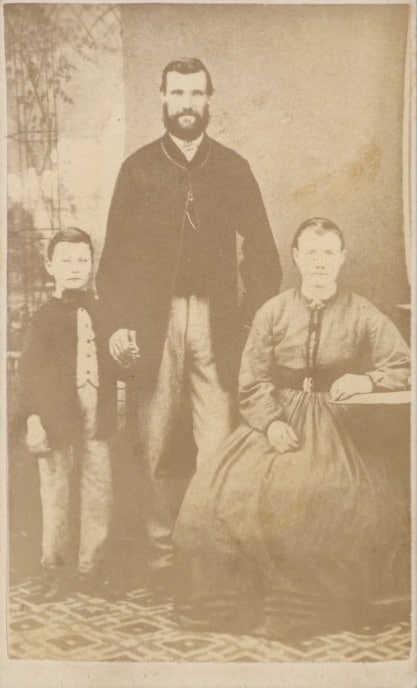
Elizabeth Lillian Woolcock with her husband Thomas and their son Tom, c.1865. State Library of South Australia, B 12311. Public domain.

⬅ See all events from 4 September

Spread the word on your favourite platform!

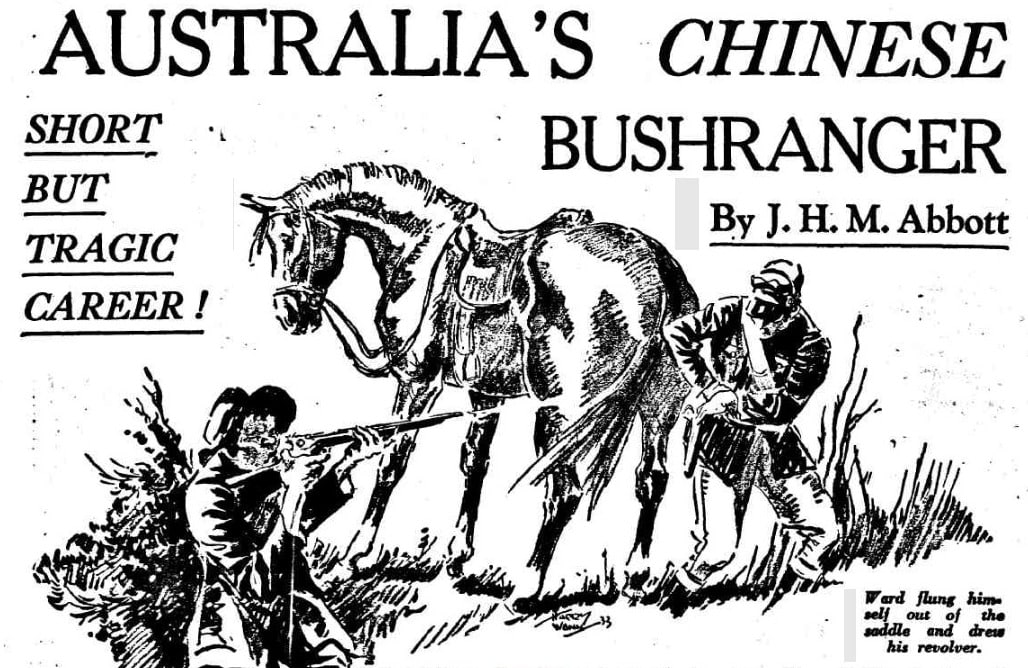
1857: Two Men Hanged at Melbourne Gaol for the Brutal Murder of a Brothel Madam

On a wet, cloudy night in 1857, Chong Sigh and Hing Tzan entered the brothel of Sophia Lewis on Exhibition Street, in Melbourne, intending to rob and murder her.

Chong Sigh cut the sleeping woman’s throat, but the first wound was not fatal. Hing Tzan held her down while a second, deeper cut was made. When Lewis moved again, Hing Tzan returned to her and, according to the men’s later confession, almost severed her head from her body.

The pair then plundered the room and slipped away into the night, narrowly avoiding a constable on his beat before eventually scattering to Geelong and Ballarat.

Both men were arrested, confessed and were convicted of murder. Their statements confirmed that Chong Sigh had conceived the plot, with robbery as the motive, while Hing Tzan carried out the final fatal attack.

At Melbourne Gaol, the two men presented a striking contrast on the scaffold. Chong Sigh was overcome with emotion and cried loudly, while Hing Tzan remained comparatively composed and appeared to chant a prayer. Hing Tzan briefly resisted when the execution cap was placed over his head, apparently fearing that his hair was about to be cut, but quickly became calm. Both men were hanged on 3 September 1857.

Hooded man holding a glowing lantern in a dark forest

⬅ See all events from 3 September

Spread the word on your favourite platform!
On This Day in True Crime History

Subscribe to Dark Stories

True crime stories, dark history and tour news, straight to your inbox.