1926: The Gold He Took to His Grave: Two Men Hanged in Fremantle for Killing Two Police Officers

William Coulter and Phillip Treffene were illegal gold buyers on the Kalgoorlie goldfields, trading in stolen bullion. When Detective-Inspector John Walsh and Sergeant Alexander Pitman closed in near Boulder on 28 April 1926, the two men shot them dead, then cut up and burned as much of the bodies as they could before dumping the rest down a mineshaft.

At trial, the pair claimed the shootings were a freak accident, a shotgun discharging as Treffene stumbled while fleeing. The jury took four hours to reject the story, returning a verdict of guilty and adding that they bitterly regretted the accomplice who had helped dispose of the bodies was not standing trial alongside them.

In the condemned cell, Coulter let slip a stranger secret: for years he had buried stolen gold bars across the goldfields, marking a chosen tree with a notch and pacing out the distance with a length of string he always carried. He never told a soul where the bars lay, and with his death the locations, worth thousands of pounds, were lost for good.

Coulter and Treffene were hanged in Fremantle on this day in 1926, within minutes of each other.

Both protested their innocence from the gallows. Coulter said, “I am innocent of the crime that I have been charged with,” while Treffene called it, “purely and simply an accident.”
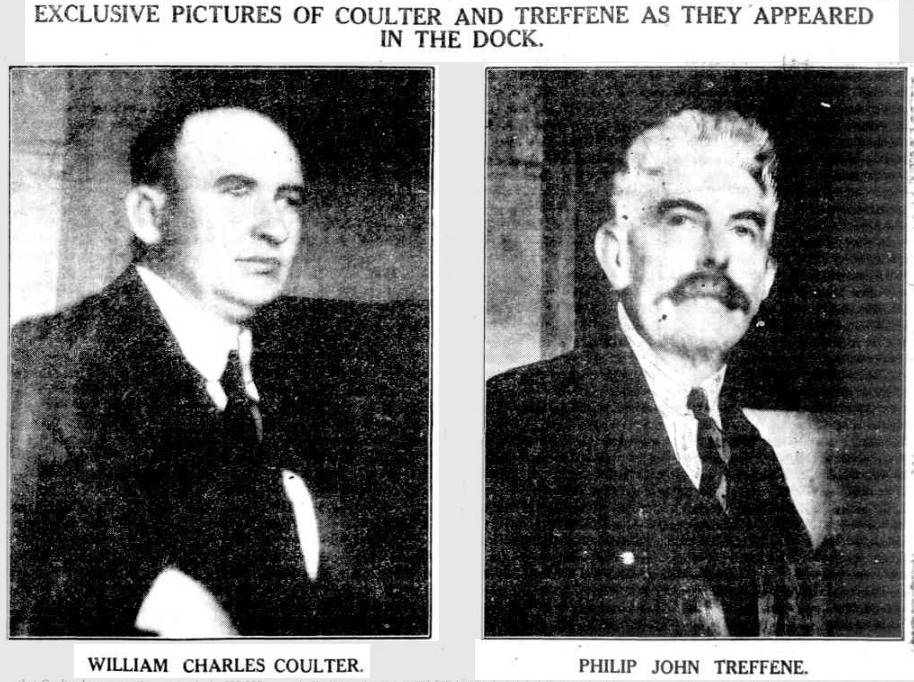

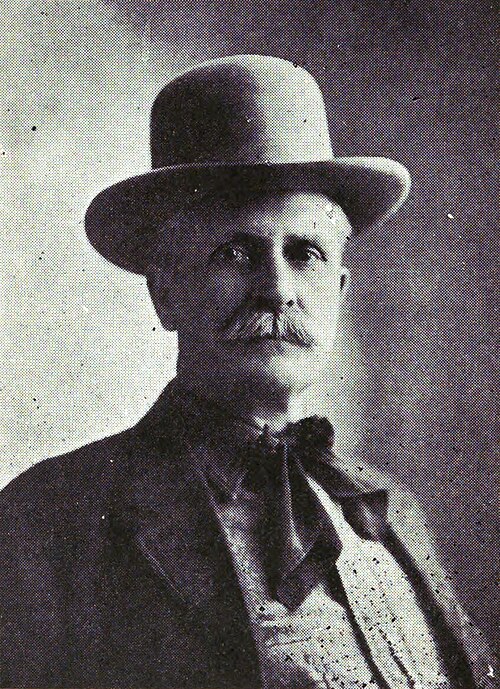
Coulter and Treffene in the dock courtroom pictures 1926

⬅ See all events from 25 October

Spread the word on your favourite platform!

2003: Framed for a Killing He Did Not Commit: Carl Williams Ordered This Melbourne Hit

Michael Marshall was gunned down outside his luxury home in South Yarra, shot four times in the head in front of his five-year-old son on this day in 2003. The hit was part of the gangland war that tore through Melbourne underworld circles through the early 2000s.

Carl Williams ordered the killing, but the real twist was the setup behind it: Williams had first framed Marshall for the murder of Willie Thompson, manufacturing a motive and a target in one stroke. Victor Brincat and Thomas Hentschel carried out the shooting and were later convicted of Marshall’s murder, two more names drawn into a war where loyalty counted for nothing and innocence was no defence.

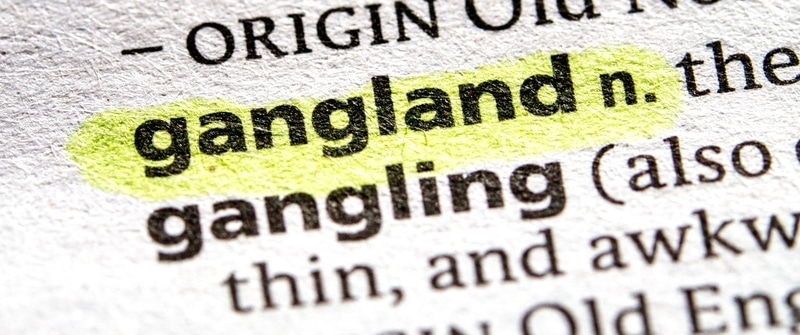
Gangland: more than a dictionary definition in Melbourne, 1998–2010.

⬅ See all events from 25 October

Spread the word on your favourite platform!

1853: Sentenced to Hang in Launceston, a Convicted Stabber Learned He Had Inherited a Fortune

A drunken brawl at a Launceston public house turned deadly when William Brown, also known as Stockton, drew a knife and stabbed a man named James Stephens. The wounds were serious enough that a doctor testified to their severity at trial, and Brown was convicted of stabbing with intent to kill and sentenced to death, with no hope of mercy.

While he lay under sentence in Launceston gaol, word reached him that a relative back in England had left him a sum of money. Rather than let the inheritance go to waste, Brown arranged to bequeath it to a servant who had once worked alongside him as a splitter and sawyer on a property near the East Tamar. He was hanged on this day in 1853, his strange act of generosity settled just before the sentence was carried out.

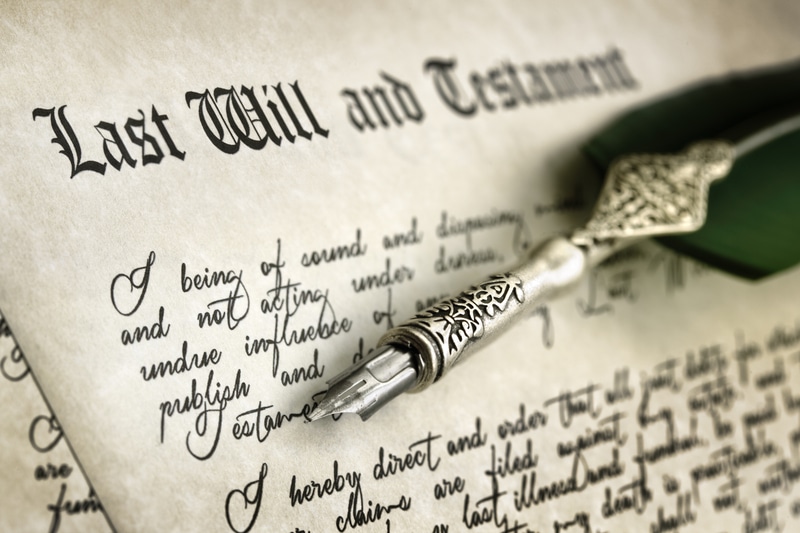
Signing a last will and testament document with quill pen

⬅ See all events from 25 October

Spread the word on your favourite platform!

1853: “I Would Finish You Now”: Hanged in Melbourne for the Murder of His Mistress

Michael Finnessy spent the afternoon of 26 September 1853 swinging between tenderness and menace, handing a neighbour his pistol and knife and then asking for them back, as he tried to win over Elizabeth Finnessy, the woman he lived with in a house off Little Bourke Street near the Queen’s Theatre in Melbourne. By evening, with the room lit only by candlelight, he asked her to speak to him, then shot her at point blank range in front of a shocked household.

As Elizabeth lay dying on the floor, Finnessy tried to finish what he had started, raising the pistol by its butt to strike her skull. A neighbour wrestled it from him, but not before Finnessy snarled, “You wretch, if I thought you was not settled, I would finish you now.” She died minutes later, begging only to see a priest.

The cruellest twist came at his execution. Finnessy already had a wife, whom he had deserted for Elizabeth, and she stood outside the gaol gates that October morning, asking strangers to let her see his body. He was hanged in Melbourne on 25 October 1853, one of seven men executed there within just twenty three days.

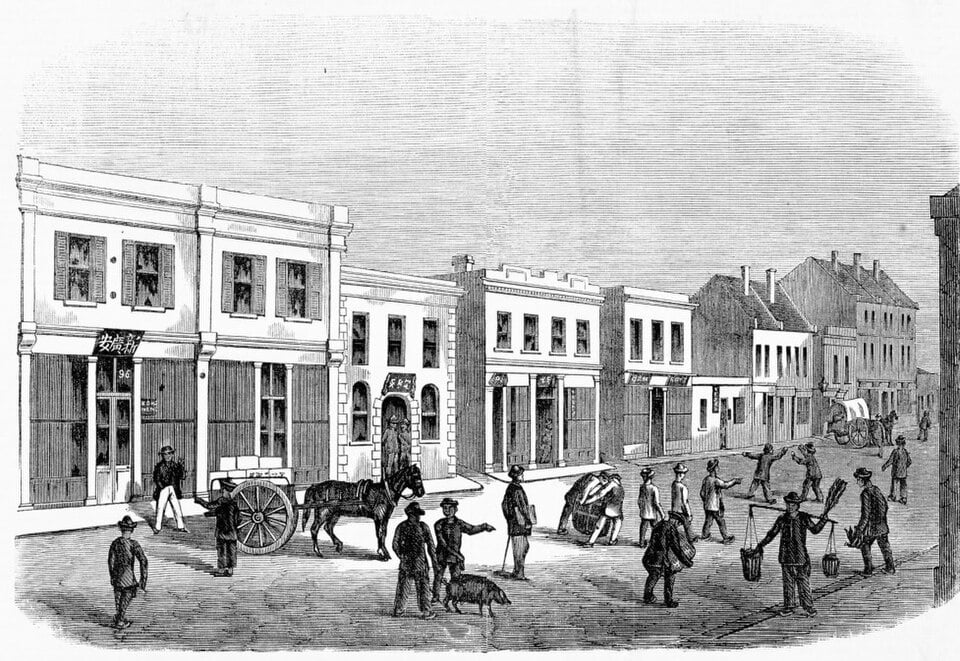
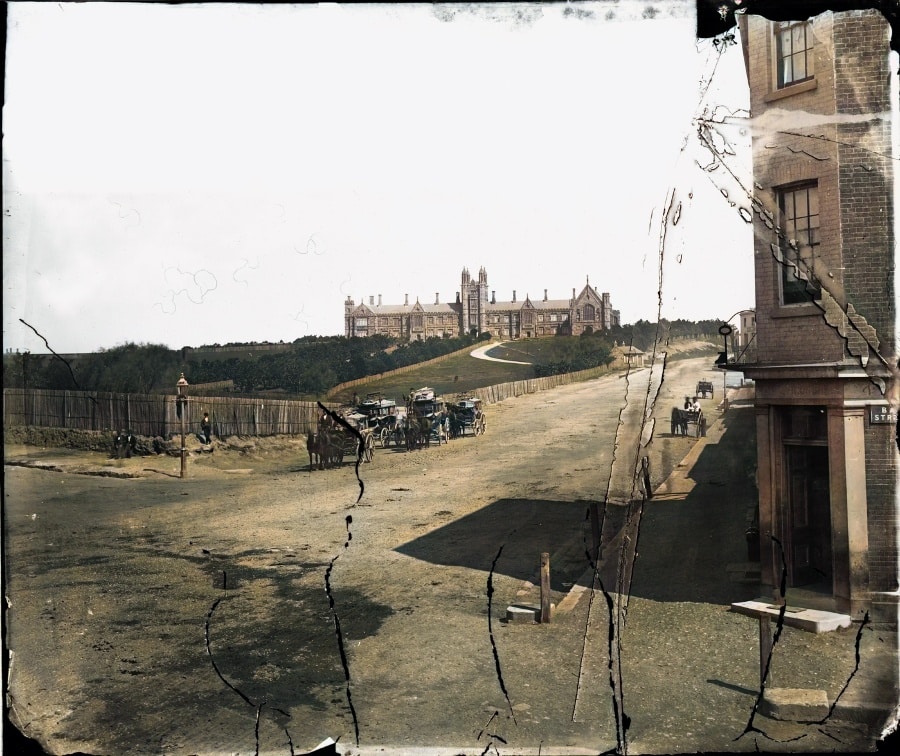
Little Bourke Street, Melbourne: Street Scene 1863

⬅ See all events from 25 October

Spread the word on your favourite platform!
On This Day in True Crime History

Subscribe to Dark Stories

True crime stories, dark history and tour news, straight to your inbox.