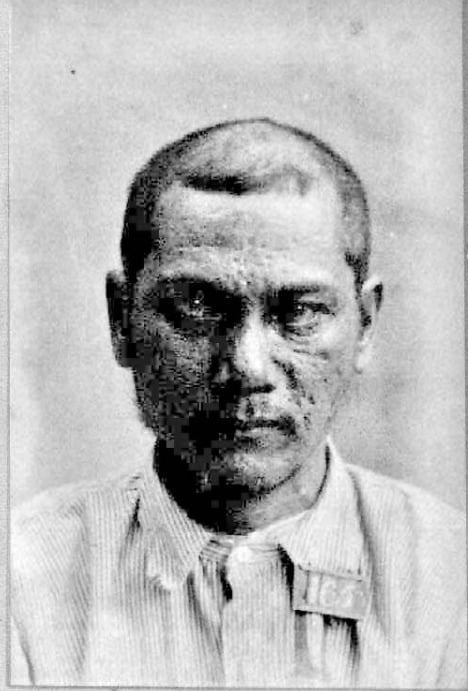
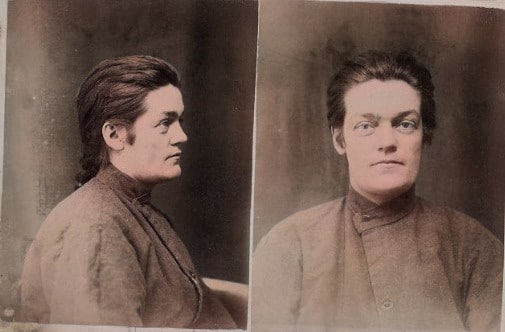
On September 4, 1946, William Heirens stood before a Chicago court with his parents and the victims’ families watching, and admitted guilt on burglary and murder charges spanning three killings. The prosecution had already staged a public reenactment of the Degnan murder in August, ensuring the case was tried in the press long before sentencing.

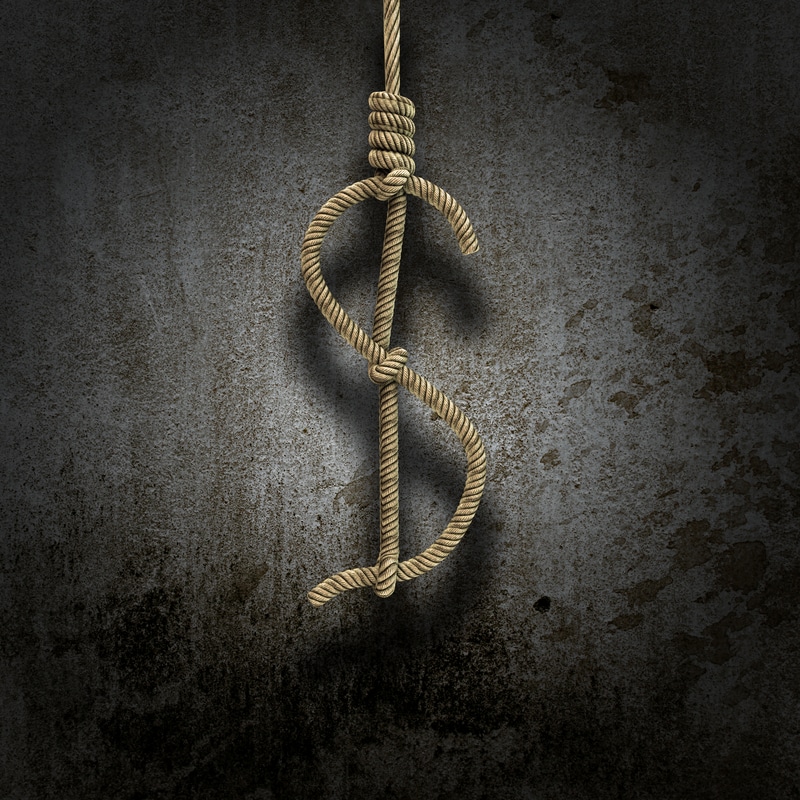
That night, Heirens attempted to hang himself in his cell, timing the attempt to coincide with a guard shift change. He was discovered before he died. He later said: ‘Everyone believed I was guilty … If I weren’t alive, I felt I could avoid being adjudged guilty by the law and thereby gain some victory. Before I walked into the courtroom my counsel told me to just enter a plea of guilty and keep my mouth shut afterward. I didn’t even have a trial.’

Red lipstick with blood splatter on white background, close up

⬅ See all events from 4 September

Spread the word on your favourite platform!

On the evening of 3 September 2009, millionaire businessman Michael McGurk was shot dead in the driveway of his home in Cremorne, Sydney. His young son witnessed the killing. McGurk had been embroiled in a bitter legal dispute with property developer Ron Medich over a failed business deal.

The murder triggered one of the most complex organised crime investigations in New South Wales in years. Ron Medich was ultimately convicted in 2019 of arranging the killing, and sentenced to a minimum of 30 years in prison.

Dispute
Dispute

⬅ See all events from 3 September

Spread the word on your favourite platform!

Soviet serial killer Andrei Chikatilo had committed his first murder in 1978, preying on young victims lured from rail stations and bus depots around Rostov-na-Donu. By 1981, after a three-year hiatus that investigators could scarcely explain, he resumed killing. Poverty and the decay of Soviet society made his victims easy to isolate: young people drifting toward cities with no contacts, no money, and no one to report them missing.

Chikatilo would not be caught for nearly another decade. In 1984, police briefly detained him but a botched blood typing test cleared him. He was convicted of theft and served three months. By 1990, when he was finally arrested, he had murdered at least 50 people. Soviet authorities had actively suppressed public warnings during the investigation, maintaining that serial murder was ideologically incompatible with communist society.

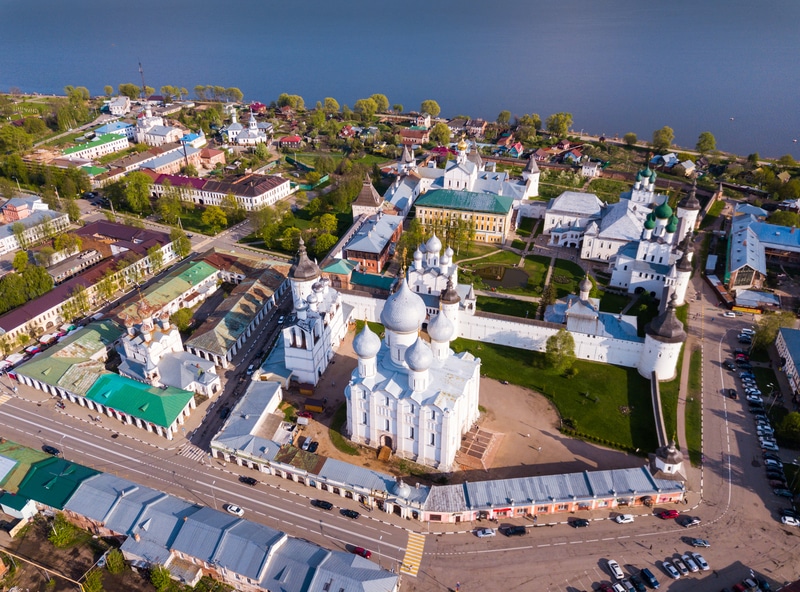
Aerial view of Rostov

⬅ See all events from 3 September

Spread the word on your favourite platform!

In June 1928, Clifford Hulme shot and killed Harold Eaton Smith at Wubin, a remote farming district north of Perth. The two men had been working together that afternoon. When Smith’s children went to bring their father his usual tea, they found Hulme approaching the house carrying a rifle. What followed included further attacks on Smith’s widow and children, crimes that shocked the court and compelled the Chief Justice to clear the public gallery before Mrs Smith gave her testimony.

Hulme’s defence rested on a plea of insanity, but the jury declared him sane and guilty. He received the death sentence without a word. He was executed on 3 September 1928.

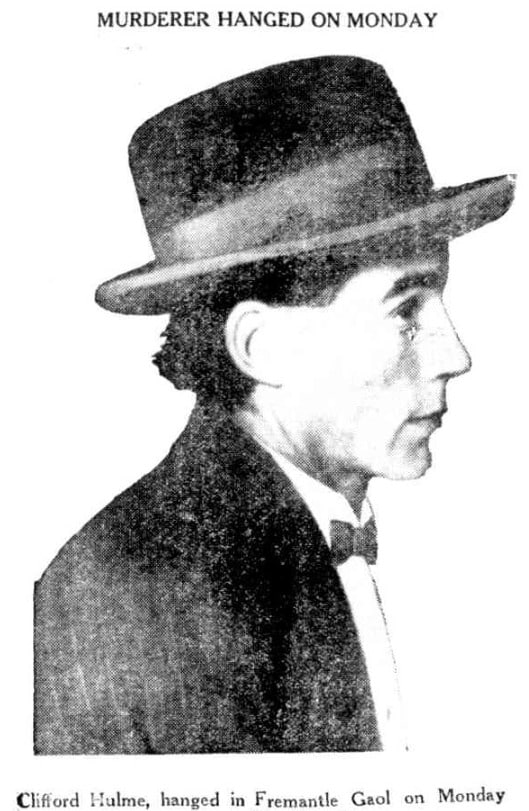
Clifford Hulme murderer hanged at Fremantle Gaol Monday morning

⬅ See all events from 3 September

Spread the word on your favourite platform!
On This Day in True Crime History
1816·He Blamed His Mate for the Shot, But It Was His Own Gun That Fired: Triple Hanging in Sydney
1895·"Look, Jimmy": The Chilling Instant Before a Fatal Tomahawk Attack Near Mount Morgan, Hanged in Brisbane.
1895·"A Feeling of Relief": Hanged in Melbourne for Drowning a Family Member
1993·11-04 | 1993 Two More Victims Discovered: The Backpacker Murders in the Forest South-West of Sydney
More Crime On This Day →

Subscribe to Dark Stories

True crime stories, dark history and tour news, straight to your inbox.