1909: Convicted Alone: Martha Rendell Sentenced to Death in Perth as Her Partner Walks Free

Martha Rendell, de facto wife of Thomas Nicholls Morris, was convicted in the Supreme Court of Western Australia at Perth of the wilful murder of her partner’s son, Arthur Joseph Morris, and sentenced to death by hanging. The court accepted that Thomas Morris had been unaware of what Rendell was doing until after the deaths of the children, and he was acquitted.

Acting Chief Justice Robert McMillan told the jury it was probably the most anxious case he had ever presided over, and voiced concern that newspaper coverage, might have prejudiced their judgement. Rendell maintained her innocence throughout, insisting she had only been treating the children for diphtheria.
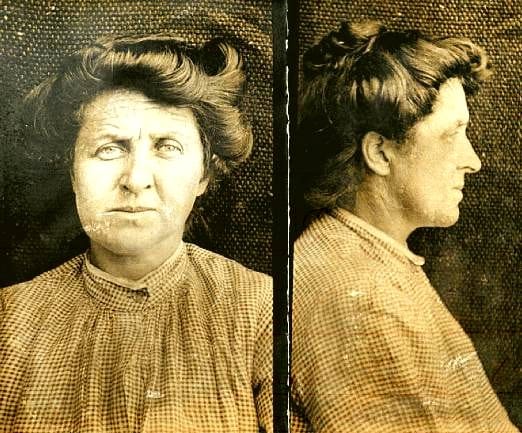

Portrait of Martha Rendell

⬅ See all events from 14 September

Spread the word on your favourite platform!
True Crime Scene Tape

1861: Two Men Executed in the Wrong Place? A Widower Demands Answers

Two men were convicted of killing Margaret Ann Impett at Mount Wedge station in South Australia. Rather than being executed at the remote spot where the crime occurred, they were hanged at the Chiriroo police station near Venus Bay on Saturday, 14 September 1861, in front of a large gathering, where both men admitted their guilt.

Authorities had decided against transporting the condemned men the 20 to 30 miles to the actual murder site, citing a lack of available conveyance, a decision that left the execution taking place far from where Margaret Impett had died.

Her husband later wrote a furious public letter demanding to know why the men had not been executed on the spot, as he understood a recently passed law required. He branded the failure to enforce it a farce, asking who had dared to disregard the law of the land.

Sunset over Venus Bay, South Australia

⬅ See all events from 14 September

Spread the word on your favourite platform!
True Crime Scene Tape

1897: “My Poor Boy, My Charlie”: A Mother’s Anguished Cry Before Her Son Was Hanged for Murder

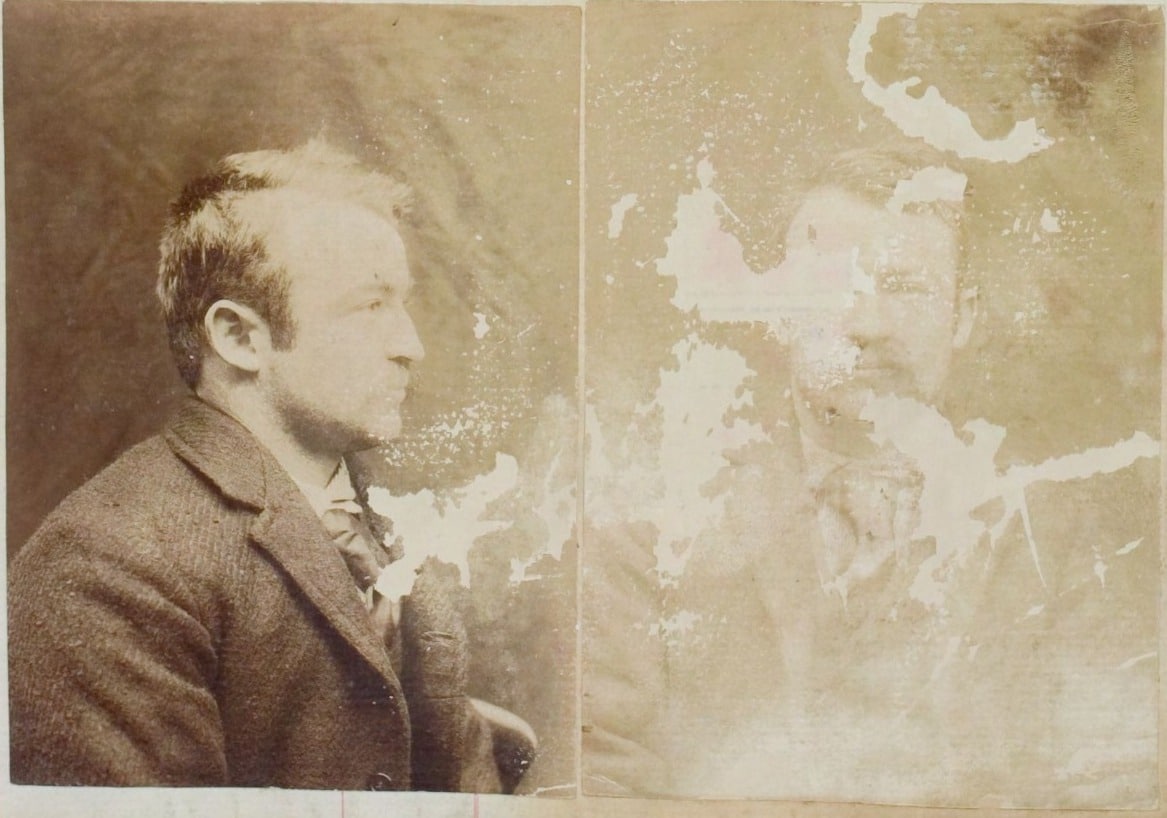
Charles John Hall murdered his wife Minnie at Eaglehawk, near Bendigo, on 11 February 1897. The crime shocked a district where Hall had been well known for very different reasons. A talented and athletic footballer nicknamed “John Bull,” he had been, according to one contemporary newspaper, “the idol of the hour” only a year earlier. He was convicted of Minnie’s murder and sentenced to death at Bendigo Gaol on 13 September 1897.

The night before, his parents were allowed a final visit, a scene warders later described as worse to witness than the hanging itself. His mother collapsed, shrieking through the gaol, “My poor boy, my Charlie,” before being carried to a cab and put to bed at home. Hall himself broke down during the visit. On the morning of his execution, he walked firmly to the scaffold and looked steadily at the hangman as the noose was fixed. Asked for his final words, Hall replied quietly, “I commit my soul to God.”

Outside the gaol a large crowd gathered, mostly women and children, with harsh feeling directed at Hall but deep sympathy for his grieving parents.

Charles John Hall, prisoner no. 27965, 1897. Public Record Office Victoria, VPRS 515/P0000, Central Register of Male Prisoners, Volume 51, p. 208. Out of copyright.

⬅ See all events from 13 September

Spread the word on your favourite platform!
True Crime Scene Tape

1826: A Colonial Newspaper Pleaded for Mercy: Two Men Hanged at Hobart for the Murder of a Stock-Keeper

Thomas Colley, a stock-keeper at Oyster Bay in Van Diemen’s Land, was speared to death in 1826. Contemporary reports said the elder of the two Aboriginal men accused had concealed himself behind a fence, waited for his opportunity, then speared Colley. Both men were also charged in connection with the wounding of Colley’s employer.

Before trial, the elder man was reported to be suffering from leprosy and was kept apart from the other prisoners. During the hearing, he reportedly attempted to show that he did not understand English, although evidence was given that he spoke the language with reasonable ease.

Both men were convicted. At sentencing, one denied killing Colley and said the other man had thrown the spear, while his co-accused made no statement. Sentence of death was passed on 2 September 1826, and both men were hanged at Hobart on 13 September.

A contemporary newspaper questioned whether Aboriginal Tasmanians, with little or no knowledge of British law or Britain’s claim to their land, should be subjected to a legal system imposed by colonists. It also argued that the executions would have little deterrent effect, since other Aboriginal people were unlikely to witness them or even hear of them, and appealed for the condemned men’s lives to be spared.

Antique silver pocket watch resting on a vintage newspaper

⬅ See all events from 13 September

Spread the word on your favourite platform!
True Crime Scene Tape
On This Day in True Crime History

Subscribe to Dark Stories

True crime stories, dark history and tour news, straight to your inbox.