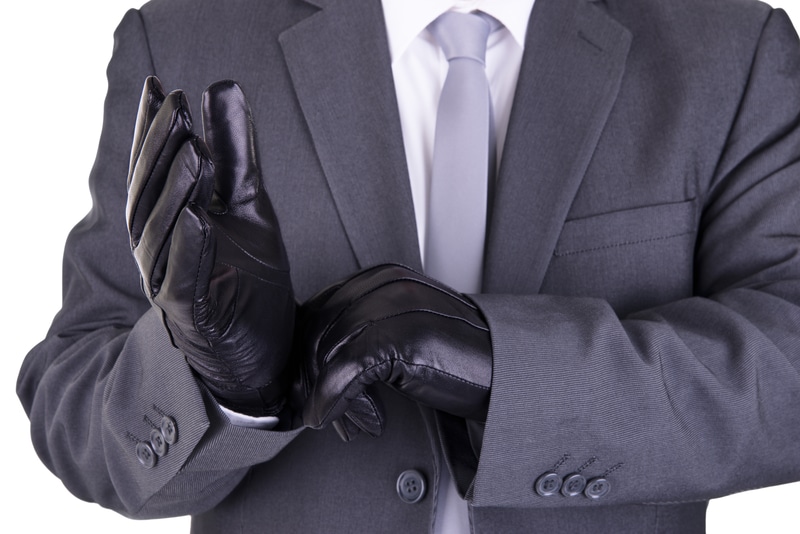
O.J. Simpson, the former football star, stood accused of murdering his ex-wife Nicole Brown Simpson and her friend Ronald Goldman outside her Los Angeles home in June 1994. The trial became a media spectacle, dominating television and public debate across the United States and beyond. The defense seized on a single moment: prosecutors had Simpson try on the bloody glove found at the scene, and it appeared too tight to fit. Defense attorney Johnnie Cochran turned the moment into a rallying cry, “If it doesn’t fit, you must acquit,” and on October 3, 1995, the jury returned a not guilty verdict after less than four hours of deliberation.

If It Doesn't Fit, You Must Acquite
If It Doesn’t Fit, You Must Acquite

⬅ See all events from 3 October

Spread the word on your favourite platform!

In July 1960, nine-year-old Graeme Thorne was snatched from a street in Sydney‘s Bondi, Australia’s first known kidnap for ransom case, and murdered within a day. His body turned up six weeks later at Seaforth, wrapped in a picnic blanket that would ultimately betray his killer.

Forensic scientists traced the rare blanket through its manufacturer, dyed Pekingese hairs, two uncommon tree species and flecks of pink mortar to a house at Clontarf owned by Hungarian immigrant Stephen Bradley. By the time police called on 3 October, Bradley had already sailed for England; he was arrested when his ship reached Ceylon and extradited to stand trial. He claimed the boy had simply suffocated in his car boot, a story investigators demolished by rigging a breathing mask to the same boot and drawing air from it for seven hours straight.

Bradley pleaded not guilty to murder but admitted the kidnapping and had earlier signed a confession he later retracted. He was sentenced to life imprisonment and died in custody seven years later.

Sydney Opera House under construction in 1963.

⬅ See all events from 3 October

Spread the word on your favourite platform!

Carol DaRonch had already escaped once. In 1974 a man posing as a police officer lured her to his car, snapped a handcuff on her wrist and tried to force her into it; she fought free, leapt from the moving vehicle and ran.

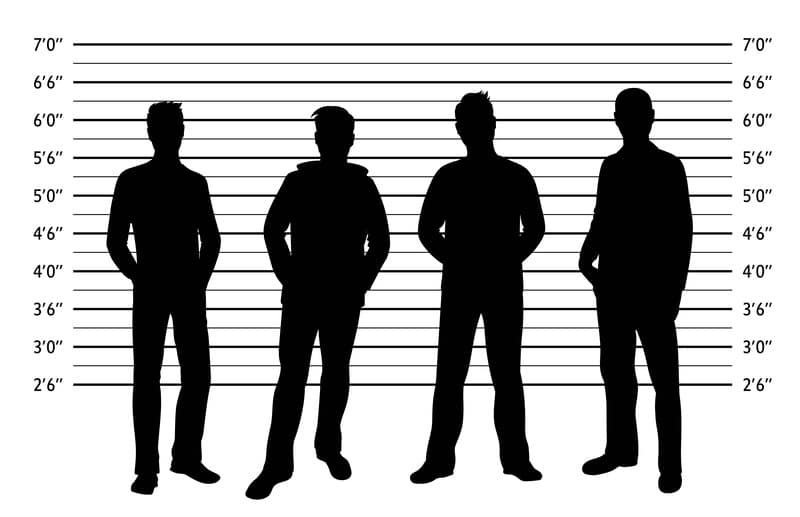
Months later she stood in a police lineup with two other women and picked out the same face: Ted Bundy. He was arrested and charged with her attempted kidnapping, denied any wrongdoing, and waived his right to a jury trial, gambling that a judge alone would be less swayed by the growing suspicion linking him to a string of disappearances across several states.

DaRonch’s escape and her identification became one of the threads that eventually unravelled Bundy’s double life, feeding directly into the case that first put him behind bars.

Police lineup. Mugshot background with silhouette of different men. Black silhouette of four men on white background. Isolation. Vector illustration | ID 161630052 © Larisa Balatskaya | Dreamstime.com
ID 161630052 © Larisa Balatskaya | Dreamstime.com

⬅ See all events from 2 October

Spread the word on your favourite platform!

Sixteen-year-old Nancy Wilcox vanished from Holladay, Utah in 1974, one of a string of young women who disappeared across the state that year without a trace. No body was ever found, no arrest followed, and for years her family had only questions.

The answer came from Ted Bundy himself. Awaiting execution years later, he confessed to her murder as part of a wider accounting of his crimes, admitting to a killing police had never been able to solve. Her remains have still never been recovered.

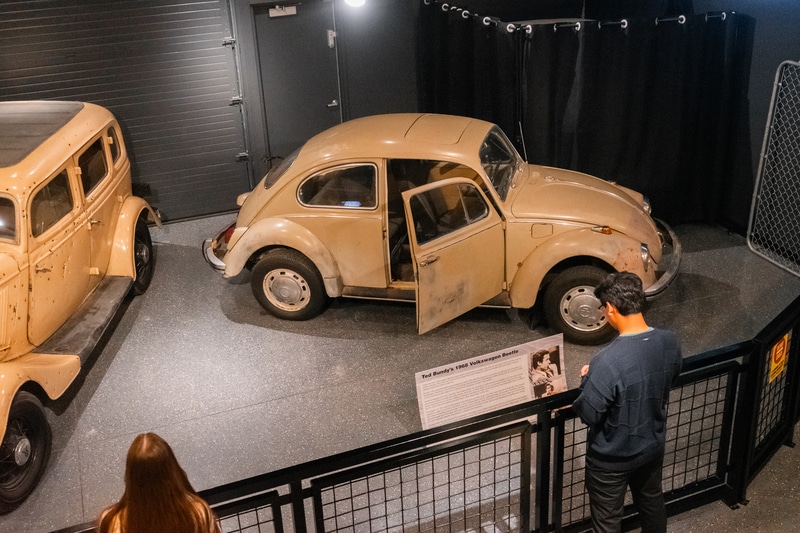
Exhibit with the Volkswagen of serial killer Ted Bundy. Pigeon Forge, Tennessee, USA - December 18 2025: The Volkswagen of serial killer Ted Bundy in an exhibit the Alcatraz East Crime Museum | ID 426074004 © Raisamacouze | Dreamstime.com
ID 426074004 © Raisamacouze | Dreamstime.com

⬅ See all events from 2 October

Spread the word on your favourite platform!
On This Day in True Crime History

Subscribe to Dark Stories

True crime stories, dark history and tour news, straight to your inbox.