On September 27, 1964, the Warren Commission delivered its report on the assassination of President John F. Kennedy, concluding after a ten month inquiry that Lee Harvey Oswald acted alone in firing the shots that killed the president in Dallas on November 22, 1963.

The commission, chaired by Chief Justice Earl Warren and formed by executive order of President Lyndon Johnson, found no evidence of a conspiracy, foreign or domestic, and determined that Jack Ruby likewise acted alone when he shot Oswald dead two days after the assassination while Oswald was in police custody.

The report’s single bullet theory, used to explain the wounds suffered by both Kennedy and Texas Governor John Connally from one shot, became the most disputed element of the findings and fueled decades of public skepticism and rival conspiracy theories that persist to this day.
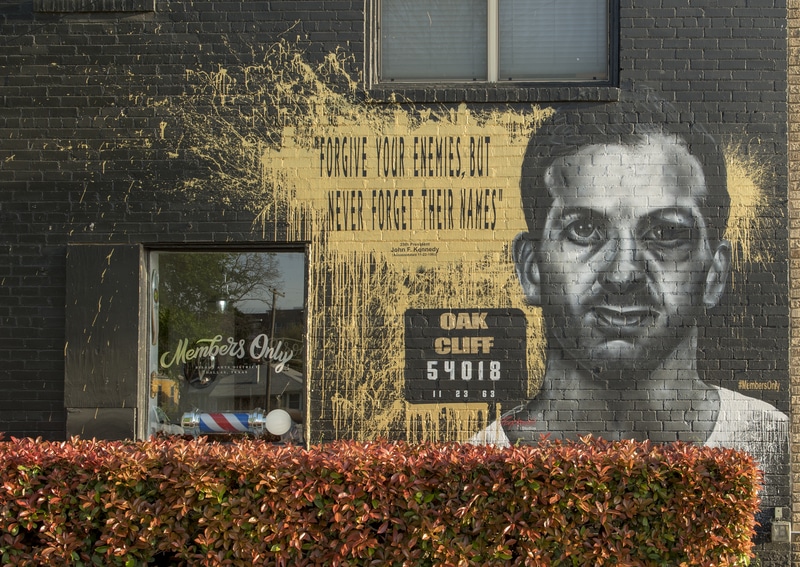

Lee Harvey Oswald Mural, Bishop Arts District, Dallas, Texas. Pictured is a mural on the side of the Members Only barber shop in the Bishop Arts District, Dallas, Texas. It features Lee Harvey Oswald, the man who assassinated president John F. Kennedy on November 22, 1963. He was arrested a short time later in the Texas Movie Theatre in Oak Cliff. It was painted by renowned Dallas muralist, Theo Ponchaveli. The Bishop Arts District is a small shopping and entertainment district in north Oak Cliff, immediately southwest of Downtown Dallas. It was originally developed as warehouses and shops in the 1920s. | ID 112938931 © David Pillow | Dreamstime.com
ID 112938931 © David Pillow | Dreamstime.com

⬅ See all events from 27 September

Spread the word on your favourite platform!

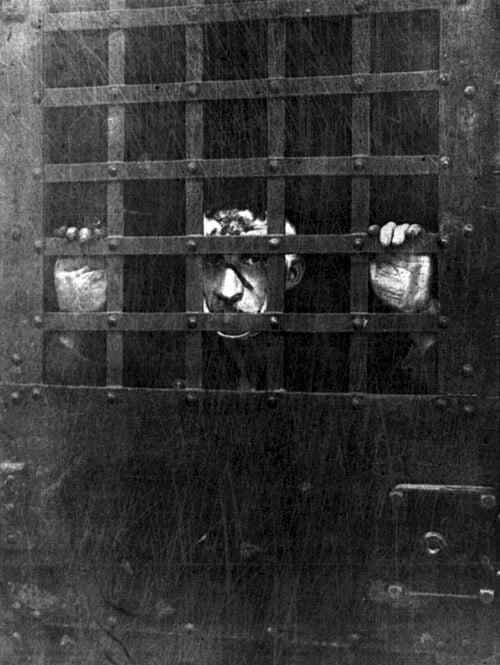
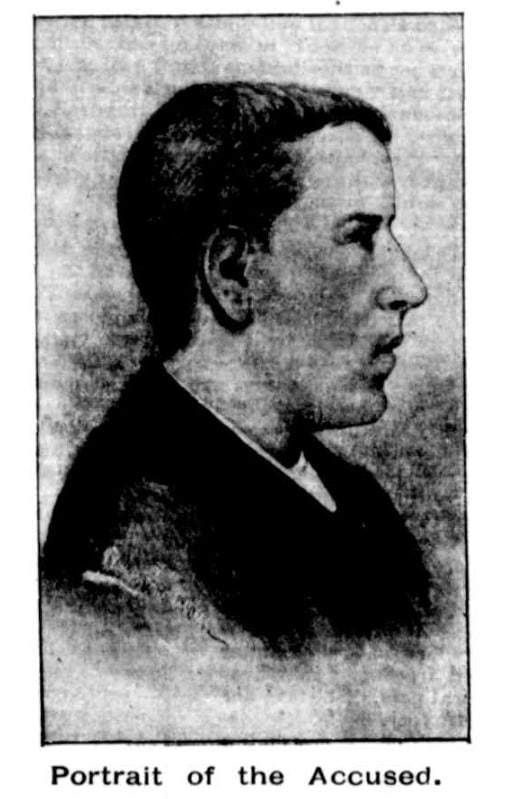
Leon Czolgosz shot President William McKinley on 6 September 1901 at the Pan-American Exposition in Buffalo, New York, firing two shots from a revolver he had concealed inside a handkerchief. McKinley lingered for eight days before dying of his wounds on 14 September.

Czolgosz’s trial opened on 23 September. The jury took less than an hour to find him guilty, and on 26 September he was sentenced to death. He was executed in the electric chair at Auburn Prison on 29 October 1901, and prison officials later poured acid into his coffin to prevent the grave becoming a shrine.

Czolgosz showed no remorse for the killing. From the scaffold he declared, “I killed the President because he was the enemy of the good people, the good working people. I am not sorry for my crime.”

Leon F Czolgosz in Jail

⬅ See all events from 26 September

Spread the word on your favourite platform!

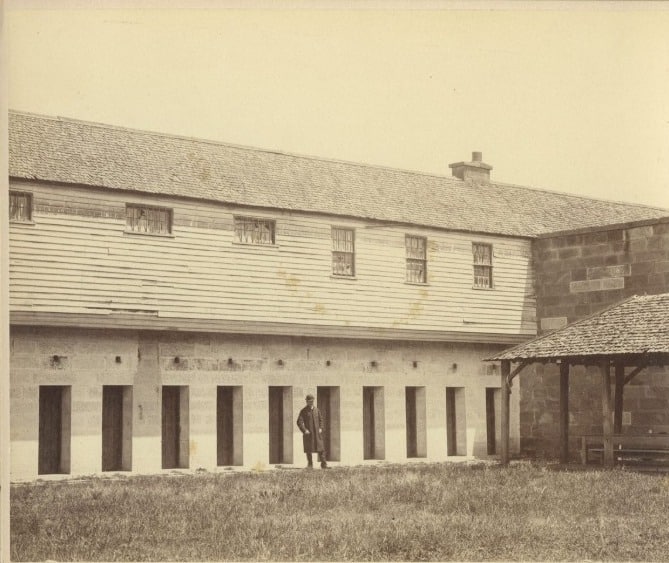
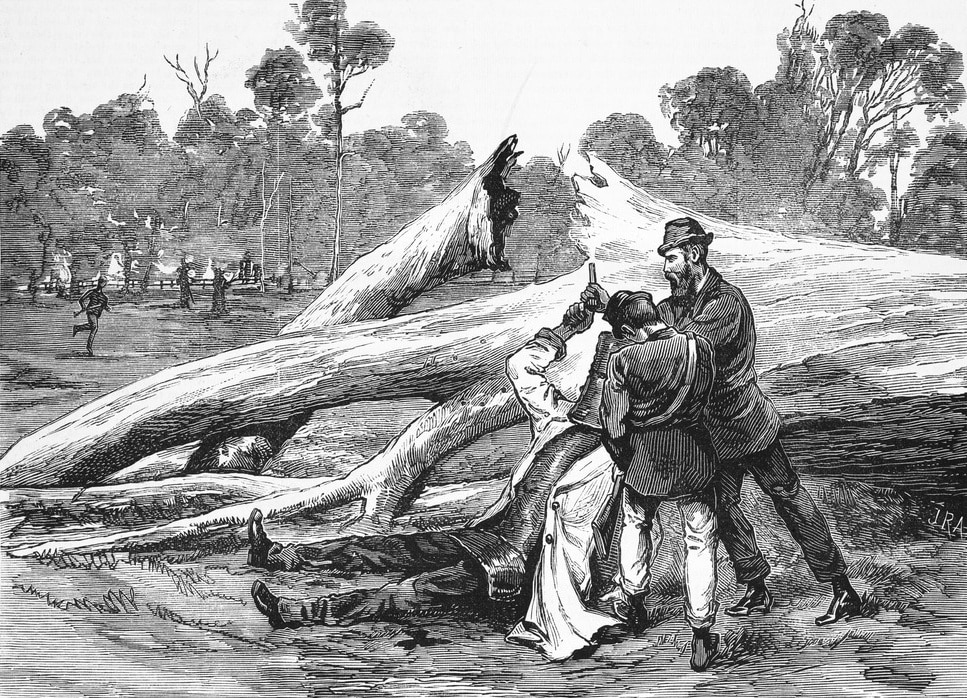
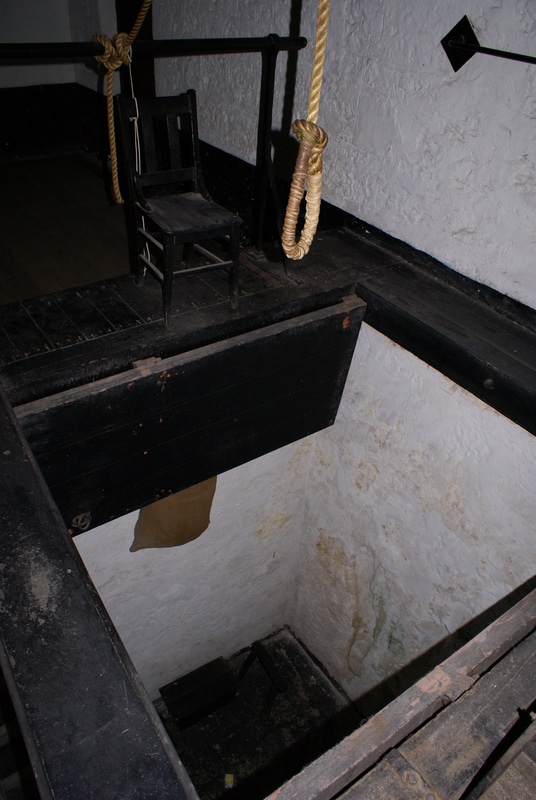
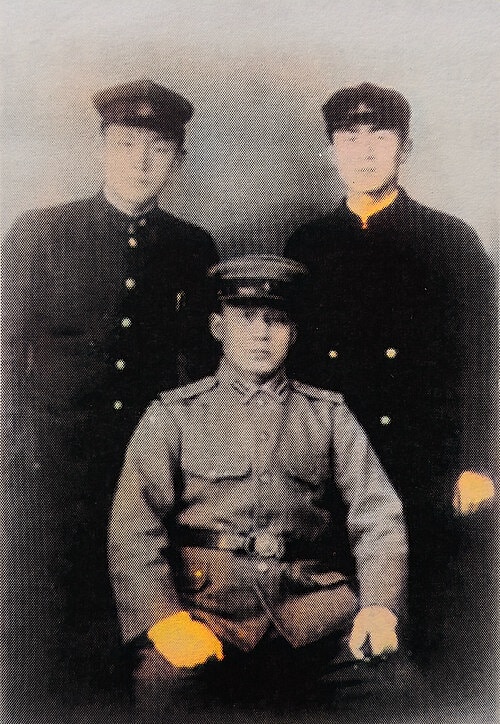
Frank Horrocks was barely 17, the son of a senior Queensland civil servant and only a year out of grammar school in Brisbane, when he was charged with murder. As police carted the body of his victim to the morgue, Horrocks was reportedly standing at a road junction, watching it pass.    Rudolph Weissmuller, 20, was a newly arrived immigrant looking for bush work, and Horrocks was the only fellow lodger he confided in. In April 1892 the pair left their boarding house together; only Horrocks came back, and he slipped away that night without paying his board. The body was found in the bush beside a small tomahawk, the twin of one Horrocks had bought the day before. He gave a false name when arrested, which proved useless: the detective sent to collect him had known him since he was a little boy.    Pleas for mercy on the grounds of his youth and unsound mind were refused. Several hundred people, some with infants in their arms, gathered outside the gaol on the morning of the execution. Horrocks had slept soundly and eaten a hearty breakfast, stood “steady as a rock” on the scaffold and never spoke.    On his arrest he had insisted “I did not kill him”, but before the end he sent a confession to the Governor, admitting the deed and the justice of his sentence.

Frank Horrocks Unmoved

⬅ See all events from 26 September

Spread the word on your favourite platform!
On This Day in True Crime History

Subscribe to Dark Stories

True crime stories, dark history and tour news, straight to your inbox.