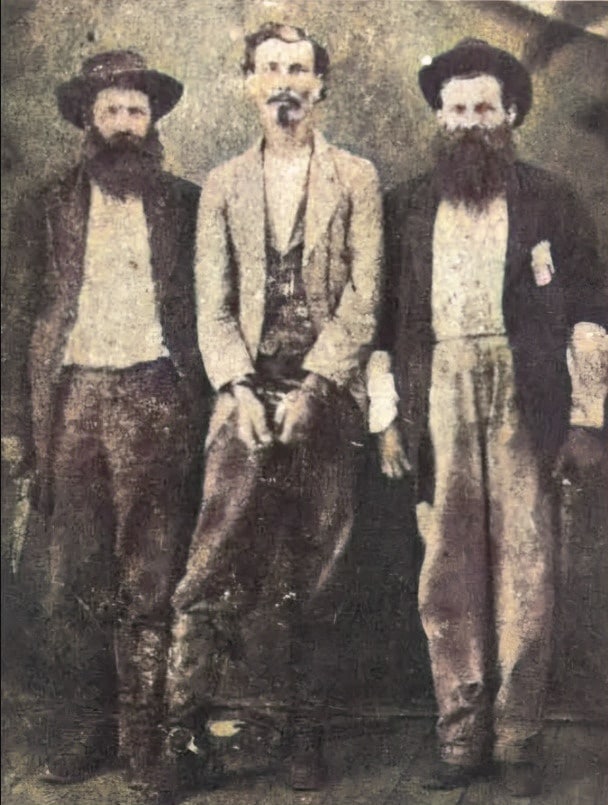
1857: Alexander Cullen Hanged at Campbell Street Gaol for the Murder of Betsy Ross

Betsy was known to frequent the Red Lion Tavern in Liverpool Street and was living with Cullen in a house behind the tavern. On the night of the murder, witnesses saw her drinking at the Red Lion before she later returned towards the area with Cullen.

Cullen had lost his wife only a few months earlier and was supporting his young daughter. His landlord described him as sober, hardworking and careful with money, saying Cullen would sometimes explain how much he had earned, pay half towards the rent, and keep the rest “to feed the child.”

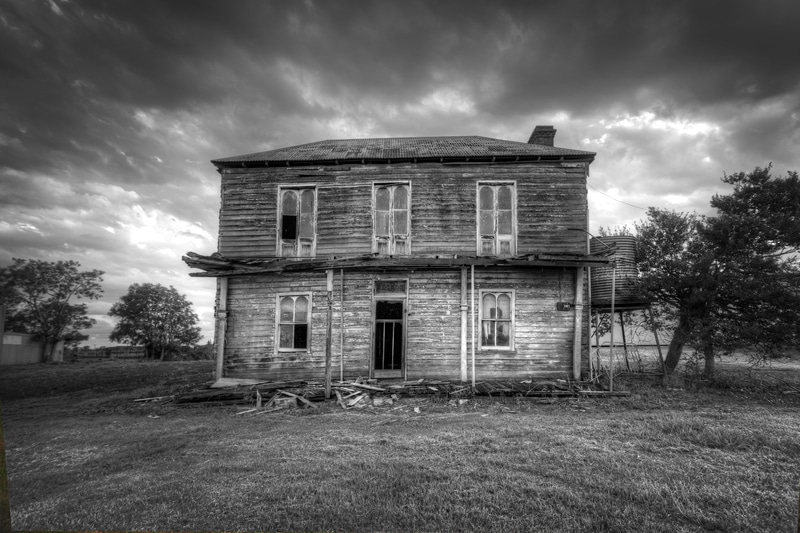
Later that night, Betsy was found dead inside their home with a bloodied tomahawk beside her. Cullen was arrested with blood on his hands and later admitted, “I have done it, and I am sorry for it.” He was convicted of murder andexecuted at the Campbell Street Gaol.

Alexander Cullen Hanged at Campbell Street Gaol for the Murder of Betsy Ross

⬅ See all events from 18 August

Spread the word on your favourite platform!
True Crime Scene Tape

1786: Britain Decides to Dump Its Criminal Class on the Far Side of the World

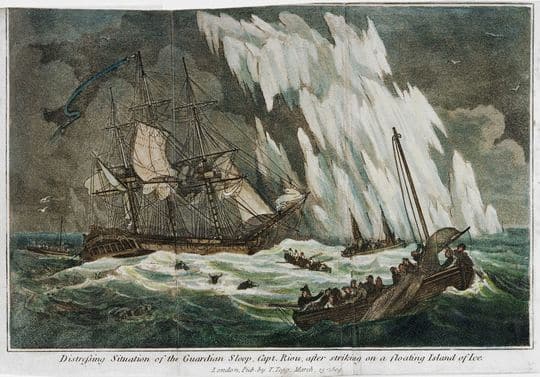
In 1786, Britain faced a crisis of its own making. Decades of the so-called bloody code had swollen the criminal class with petty offenders, American independence had slammed shut the old dumping ground of the colonial plantations, and the gaols were bursting. The solution settled upon was audacious: ship Britain’s unwanted more than 15,000 miles to New South Wales, a coastline only recently mapped by Captain Cook, who had praised the land around Botany Bay.

Over the next 80 years, more than 160,000 men and women were transported to Australia and Van Diemen’s Land. Transportation meant total erasure: the loss of home, family, and identity, followed by a brutal sea crossing and survival in an utterly foreign land. Yet for many, the far side of the world offered something the old country never would: a second chance.

First Fleet ships entering Sydney Harbour 1788 illustration

⬅ See all events from 18 August

Spread the word on your favourite platform!
True Crime Scene Tape

1612: The Pendle Witch Trials Begin: Eleven Accused in One of England’s Most Documented Witchcraft Cases

In August 1612, eleven people stood trial at Lancaster Castle accused of witchcraft in one of the most thoroughly documented witch trials in English history. Six of the accused came from two rival poverty-stricken families: the Demdikes, led by Elizabeth Southerns known as Old Demdike, and the Chattoxes, led by Anne Whittle known as Mother Chattox. The trials unfolded against a backdrop of religious unrest in Lancashire, a region long regarded as resistant to Protestant authority and sympathetic to Catholicism.

Ten of the eleven were found guilty and executed. The proceedings were recorded in an official publication, The Wonderfull Discoverie of Witches in the Countie of Lancaster, by court clerk Thomas Potts, ensuring the case survived as legend. In a country where fewer than 500 people were executed for witchcraft over three centuries, this single summer of trials in Pendle accounts for roughly 2% of that total.

Sculpture of Alice Nutter famous English witch. Sculpture of Alice Nutter captured on the way to Pendle hill, famous witch trail and the history of the English witch craft. | ID 113675970 © Milosz Kubiak | Dreamstime.com
ID 113675970 © Milosz Kubiak | Dreamstime.com

⬅ See all events from 18 August

Spread the word on your favourite platform!
True Crime Scene Tape

2005: BTK Killer Dennis Rader Sentenced to 175 Years for Ten Murders

Dennis Rader, a church council president and compliance officer from Wichita, Kansas, was sentenced to ten consecutive life terms totalling 175 years in prison for a killing spree that began in 1974 and claimed ten lives over three decades. Methodical and media-savvy, he bound, tortured, and killed his victims, earning the acronym BTK. He stalked neighbours, executed families, and kept trophies, all while living an unremarkable suburban life.

Rader had evaded capture for thirty years before his own need for notoriety led to his undoing. In 2004 he resumed contact with police and local media after a long silence. A floppy disk he sent to a television station was traced back to his church computer, and he was arrested in February 2005. He pleaded guilty to all ten murders in June 2005 and was sentenced in August of that year, using his final court appearance to describe each killing in cold, methodical detail.

Forensics expert examining floppy disk with magnifying glass

⬅ See all events from 18 August

Spread the word on your favourite platform!
True Crime Scene Tape
On This Day in True Crime History

Subscribe to Dark Stories

True crime stories, dark history and tour news, straight to your inbox.