1931: A Death Pact Rooted in Spiritualism Kills a Family of Seven in Carlisle

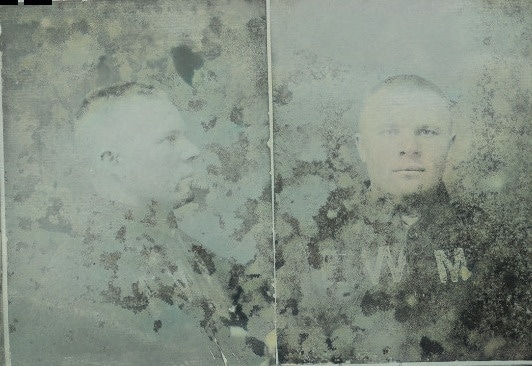
In the suburb of Carlisle, near Perth, Roderick Davies and family ended their days, leaving behind six farewell letters that described the killings as a spiritual calling. The family had become consumed by a belief in life after death, with Dorothy writing to her mother in Victoria that she had been ‘writing under spiritual control for months’ and had long known they would all be ‘going on soon.’

The coroner, Mr T. Y. A. Lang, described the motive bluntly: a desire for ‘a short road to an attractive hereafter.’ In his letter to police, Davies wrote that he had taken the lives of his wife and children ‘for reasons it would be impossible for me to explain.’ Dorothy’s final words to her mother were: ‘Life holds nothing; Death promises everything.’

Death pact newspaper clipping from Trove 1931 Mirror Perth

⬅ See all events from 21 August

Spread the word on your favourite platform!

1829: John Holmes Hanged for Arson at Campbelltown

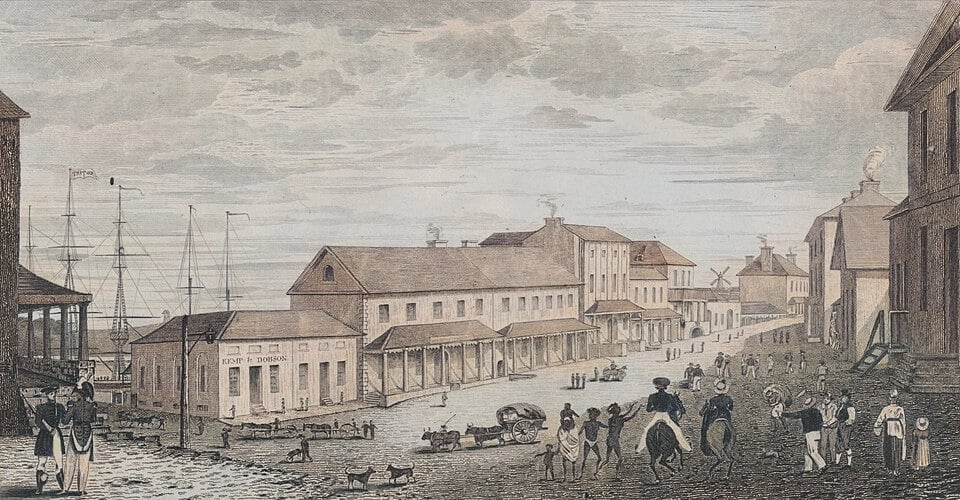
John Holmes was convicted of maliciously setting fire to a barn belonging to James Benn at Campbell Town on 29 May 1829, with intent to injure and defraud the owner. The jury returned a verdict of guilty and a sentence of death was passed.

Holmes was executed at Campbelltown on 21 August 1829. On the scaffold, Reverend Mr. Therry sought and received permission to address the assembled crowd, relaying the condemned man’s confession before Holmes himself spoke, earnestly urging spectators to take warning from his fate and avoid the bad company that had brought him to his end.

Holmes acknowledged his guilt and the justice of his sentence, expressing hope that God had forgiven him as he freely forgave all who had wronged him.

Barn Fire

⬅ See all events from 21 August

Spread the word on your favourite platform!

1884: James Hawthorn Hanged at Melbourne Gaol for Shooting His Brother Dead

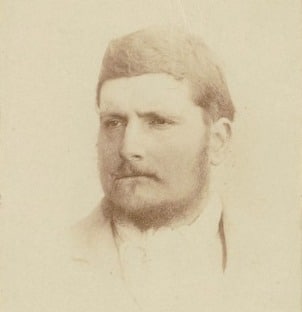
On the night of 21 March 1884, William Hawthorn, a market gardener near Brighton, was shot while sleeping in his house. He died nine days later from his wounds. His brother James was quickly implicated: native trackers Moses and Johnny found double tracks between the two brothers’ homes, footprints matching James’s boots exactly, and a recently discharged gun in his possession. The brothers had been locked in a bitter equity dispute, and James had openly threatened William’s life.

Acquitted by a coroner’s jury, James was nonetheless arraigned by the Crown and tried twice in the Supreme Court. The first jury deadlocked; the second convicted him on 26 July 1884. The Chief Justice sentenced him to death, and a bid for executive reprieve failed. He was hanged at Melbourne Gaol at 10 o’clock on the morning of 21 August 1884.

Brother vs Brother

⬅ See all events from 21 August

Spread the word on your favourite platform!

1860: Edward Fenlow Hanged at Melbourne Gaol for a Prospecting Partner's Murder

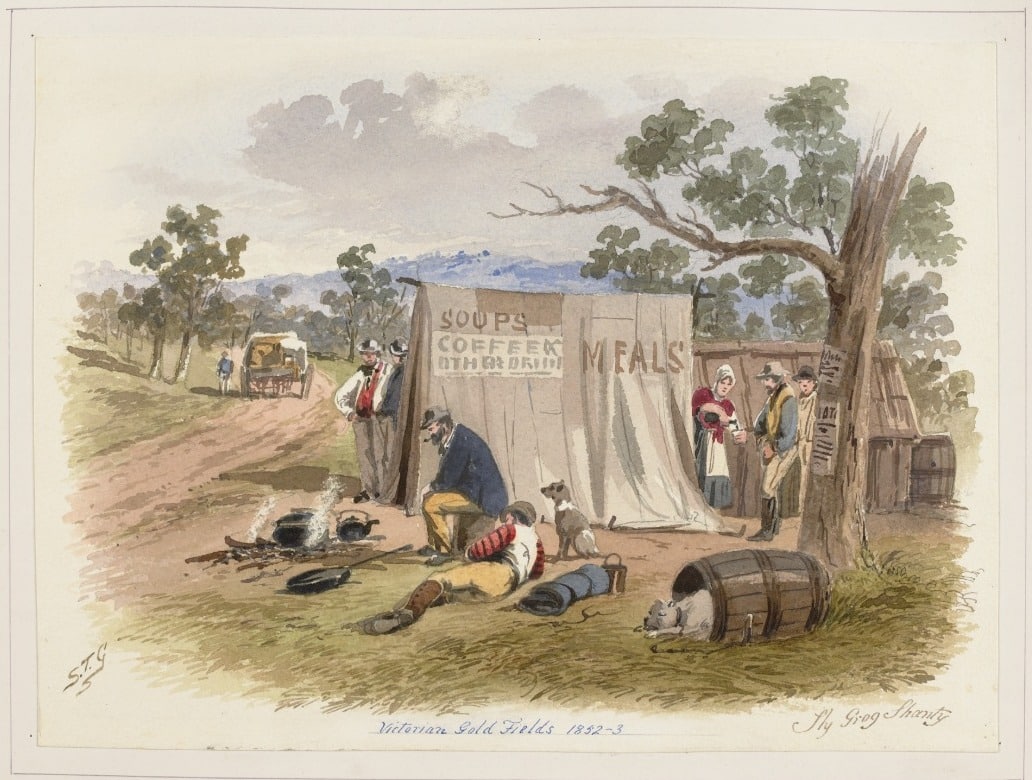
Edward Fenlow, a small, mild-mannered man known also as Reynolds, stood trial at the Castlemaine Circuit Court in August 1860 for the murder of his prospecting mate George Plummer Gardner at Inglewood on 27 March that year. The two men had been working together when Fenlow persuaded Gardner to descend into a mining hole, then struck him on the head with a shovel. Gardner was found the next day with a hole in his skull the size of a crown-piece. Fenlow robbed the body and evaded capture for several weeks before witnesses, including a refreshment tent keeper who recognised him on sight, placed him with the victim in the days before the killing.

Convicted on the evidence of multiple witnesses, Fenlow was sentenced to death and hanged at Melbourne Gaol on 20 August 1860.

Gold prospector resting with grain texture vintage style

⬅ See all events from 20 August

Spread the word on your favourite platform!
On This Day in True Crime History

Subscribe to Dark Stories

True crime stories, dark history and tour news, straight to your inbox.