Archives: Dark Stories: On This Day In True Crime History - Page 29
Sixteen-year-old Nancy Wilcox vanished from Holladay, Utah in 1974, one of a string of young women who disappeared across the state that year without a trace. No body was ever found, no arrest followed, and for years her family had only questions.
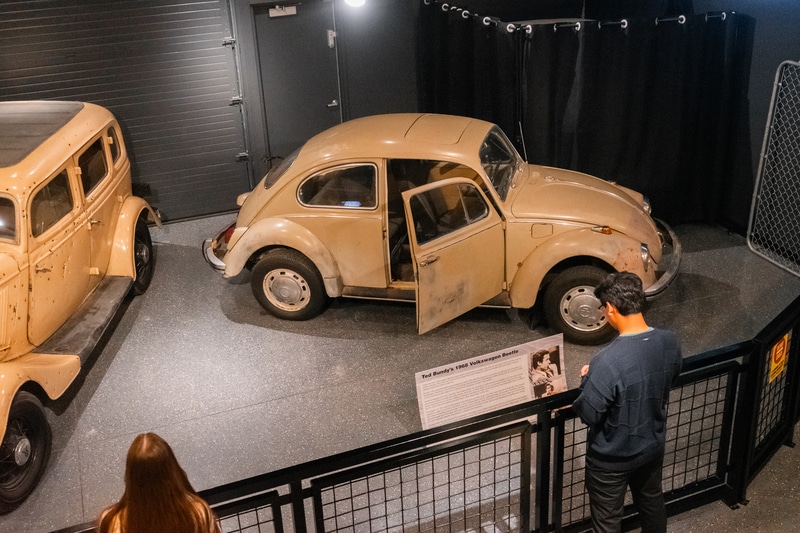
The answer came from Ted Bundy himself. Awaiting execution years later, he confessed to her murder as part of a wider accounting of his crimes, admitting to a killing police had never been able to solve. Her remains have still never been recovered.
Carol DaRonch had already escaped once. In 1974 a man posing as a police officer lured her to his car, snapped a handcuff on her wrist and tried to force her into it; she fought free, leapt from the moving vehicle and ran.
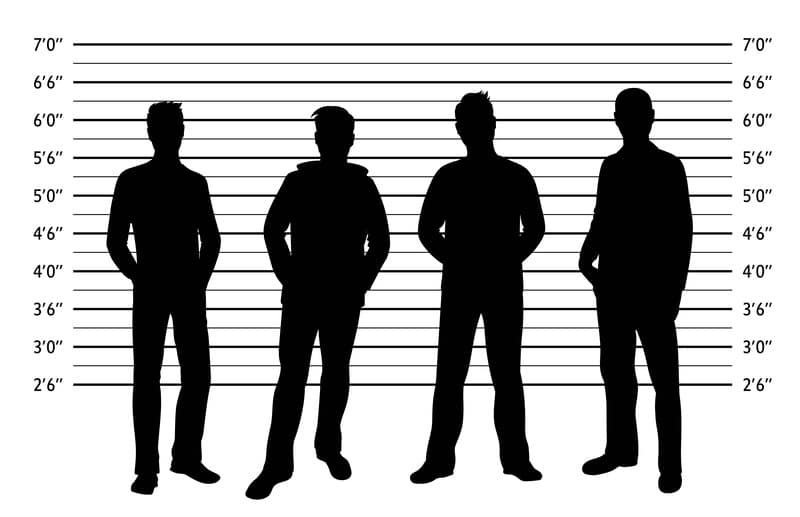
Months later she stood in a police lineup with two other women and picked out the same face: Ted Bundy. He was arrested and charged with her attempted kidnapping, denied any wrongdoing, and waived his right to a jury trial, gambling that a judge alone would be less swayed by the growing suspicion linking him to a string of disappearances across several states.
DaRonch’s escape and her identification became one of the threads that eventually unravelled Bundy’s double life, feeding directly into the case that first put him behind bars.
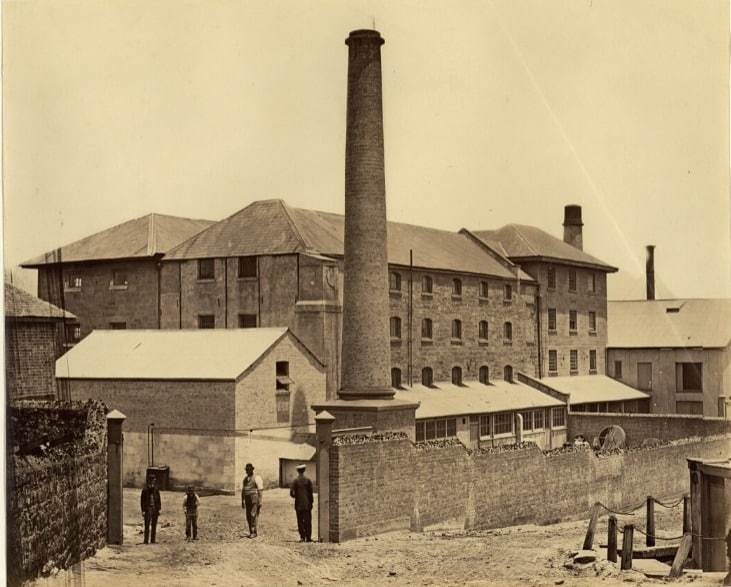
In September 1866 a boy’s dog began scratching at a rubbish heap near Sussex Street in Sydney, and uncovered a charred, half-roasted human head. Further searching turned up the dismembered chest of a woman, but no other remains were ever found, and no one in the city had reported her missing.
At the inquest a young doctor testified that the head wounds had killed her almost instantly, and that her body had been carefully dissected and burned afterwards, evidently by someone with real anatomical skill, in an apparent effort to destroy any means of identifying her. The jury returned a verdict of wilful murder against a person or persons unknown, and the government posted a reward of two hundred pounds, offering a pardon to any accomplice willing to name the killer.
Close to the scene of the crime: Barker & Co. Mills, corner of Sussex and Bathurst Streets, Sydney, before June 1872. Possibly photographed by Charles Pickering. State Library of New South Wales, SPF/484.
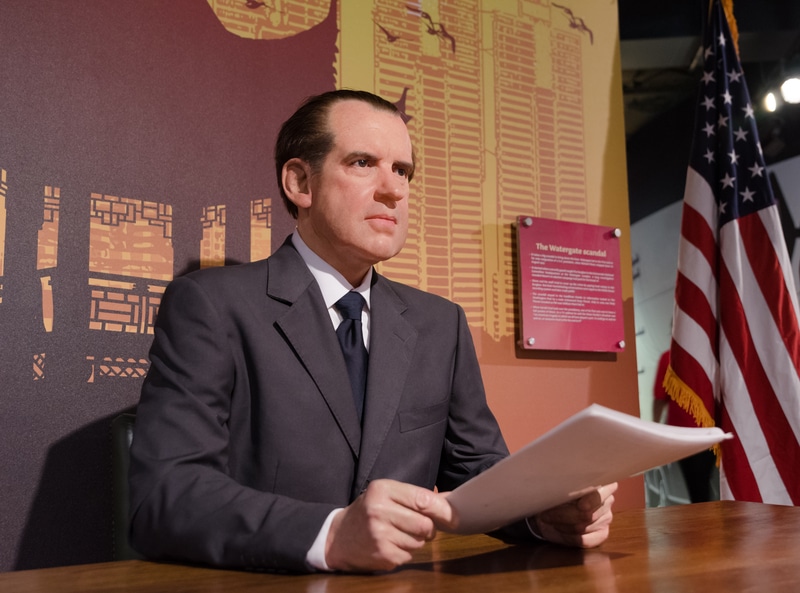
Five men who had run Richard Nixon’s White House and Justice Department went on trial in Washington in October 1974, charged with conspiracy, obstruction of justice and perjury for trying to smother the investigation into the break-in at the Democratic National Committee offices two years earlier.
The trial ran three months. On January 1, 1975, a jury convicted former Attorney General John Mitchell along with chief of staff H.R. Haldeman and aide John Ehrlichman on multiple felony counts; a co-defendant was acquitted. The one man missing from the dock was Nixon himself, who had resigned the previous August and been pardoned by President Gerald Ford before he could ever be charged, leaving the men who had followed his orders to serve the time he never did.