Archives: Dark Stories: On This Day In True Crime History - Page 26
Two days after shooting cabdriver Paul Stine dead in San Francisco, the Zodiac Killer sent the San Francisco Chronicle a taunting letter dated October 13, 1969. Inside was a torn piece of Stine’s bloodstained shirt, offered as proof the killer was the same man terrorising the Bay Area, not a copycat.
The letter mocked police for failing to catch him despite patrols flooding the area that night, and promised more killings to come. It remains one of several pieces of physical evidence tied to an identity that, more than fifty years on, has never been conclusively proven.
John Caldwell was a former British soldier, court martialled at Bangalore in India for stealing his own equipment and sentenced to seven years transportation. He arrived in Western Australia aboard the General Godwin, landing at Fremantle in 1854, and was granted a ticket of leave the following year. His sentence finally expired in July 1860, a free man again after years of convict servitude.
Within months he was convicted of assualt of a local person at Champion Bay. He was tried at the Supreme Court in Perth, sentenced to death, and hanged at the old Perth Gaol just nine days later on 13th Oct 1860, being buried at East Perth Cemetery.
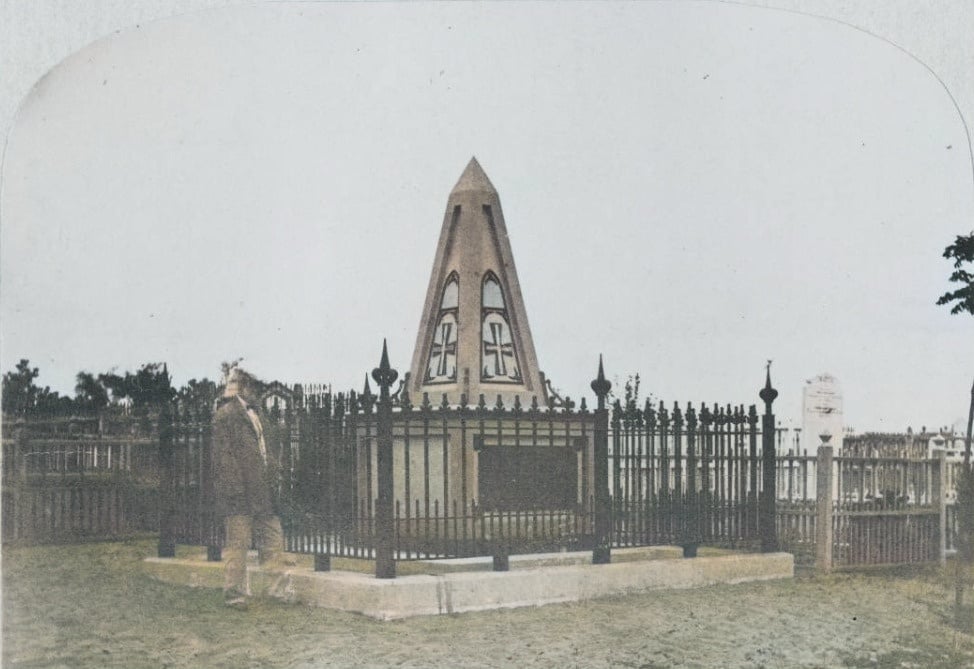
Panter Tomb at East Perth Cemetery burial place of John Caldwell 1860
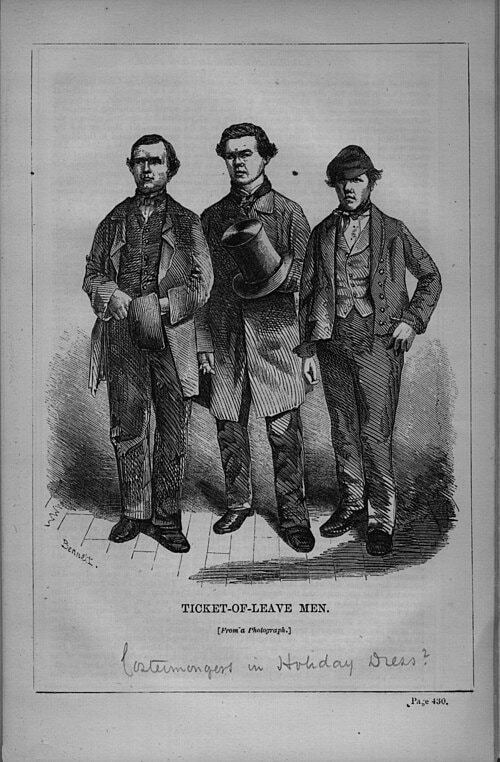
Thomas Airey had spent most of his adult life behind bars in England before he was transported to Western Australia aboard the Nile, arriving at Fremantle in December 1857 to serve a 15 year sentence for burglary. In June 1860 he was granted a ticket of leave, a conditional release that let convicts who had shown good behaviour work and live within a set district without constant supervision, a step short of full freedom but a clear sign the colony had judged him trustworthy.
That trust lasted barely four months. By October 1860 Airey stood before the Supreme Court in Perth convicted of a serious assault and sentenced to death. He was hanged at Perth Gaol on 13 October 1860, aged 29, and buried the following day at East Perth Cemetery.
Henry Stock married Elizabeth Keats when she was nineteen and already raising another man’s child. The marriage soured, she took out a maintenance order against him, and when she vanished with her young son in April 1884, searchers found their badly decomposed remains in dense scrub near the Ouse district, both riddled with shot that matched Stock’s own gun. Witnesses recalled him muttering that he would “murder her yet” and would rather “swing” than live with her again.
His first trial ended in a deadlocked jury; a second, before Hobart’s Chief Justice Dobson, convicted him. On the morning of his execution at Campbell Street Gaol in Hobart, hangman Solomon Blay prepared to carry out his hundredth hanging. Before he was led to the scaffold, Stock scratched a message on his cell wall naming two sisters whose evidence had convicted him, hoping to see them “here before long,” and warning other young men to keep from woman. He walked to the gallows carrying a small bunch of flowers tied with a scripture text: “He shall speak peace unto the heathen.”
To the end he denied the killings, declaring on the drop, “I swear by Heaven that I am innocent.”
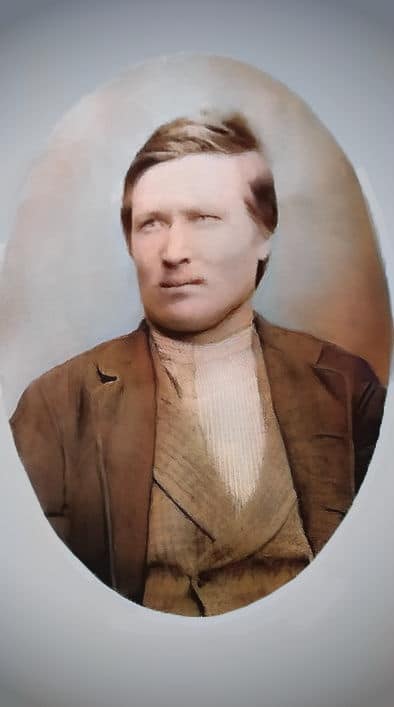
Henry Stock, c. 1883. Photograph attributed to T. J. Nevin. Tasmania Supreme Court, Death warrants and related papers, vol. 2, C 203. Mitchell Library, State Library of NSW.