1931: A Death Pact Rooted in Spiritualism Kills a Family of Seven in Carlisle

In the suburb of Carlisle, near Perth, Roderick Davies and family ended their days, leaving behind six farewell letters that described the killings as a spiritual calling. The family had become consumed by a belief in life after death, with Dorothy writing to her mother in Victoria that she had been ‘writing under spiritual control for months’ and had long known they would all be ‘going on soon.’

The coroner, Mr T. Y. A. Lang, described the motive bluntly: a desire for ‘a short road to an attractive hereafter.’ In his letter to police, Davies wrote that he had taken the lives of his wife and children ‘for reasons it would be impossible for me to explain.’ Dorothy’s final words to her mother were: ‘Life holds nothing; Death promises everything.’
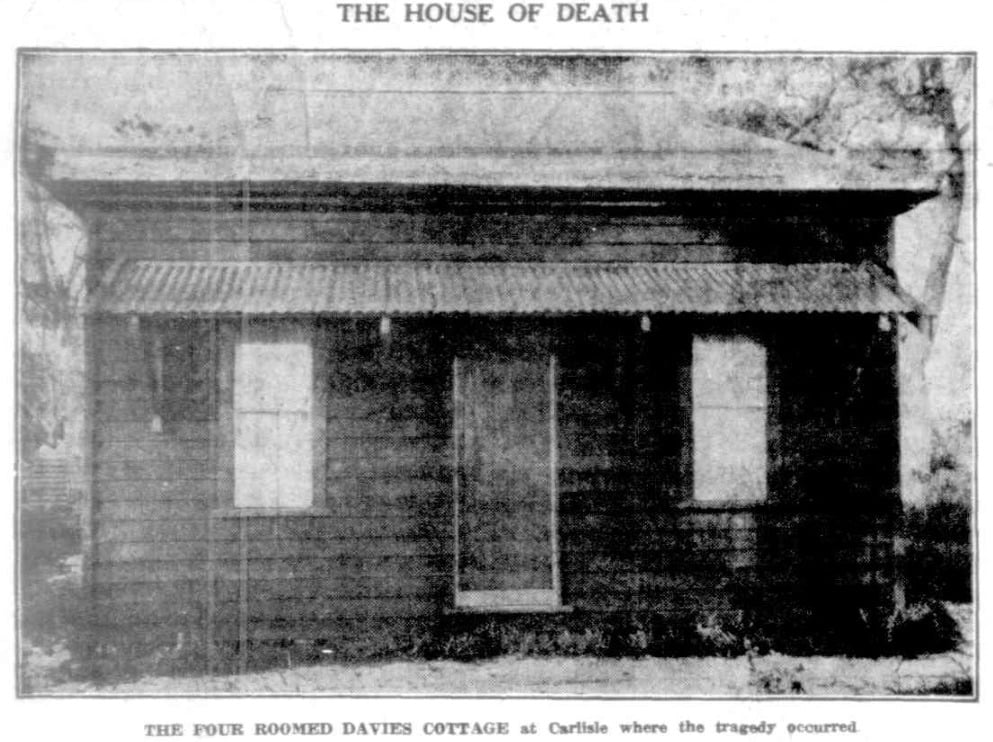

Death pact newspaper clipping from Trove 1931 Mirror Perth

⬅ See all events from 21 August

Spread the word on your favourite platform!

1911: The Mona Lisa Stolen from the Louvre by a Museum Employee

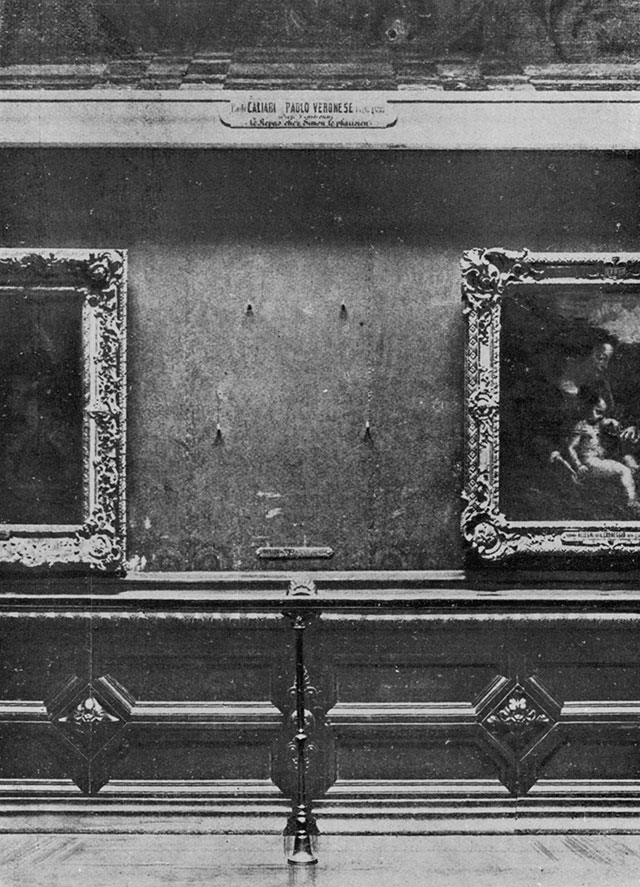
In the early hours of 21 August 1911, Vincenzo Peruggia, an Italian handyman who had worked at the Louvre, hid inside the museum overnight, lifted Leonardo da Vinci’s Mona Lisa from the wall, concealed it under his coat, and walked out. The theft went unnoticed for nearly 24 hours. The empty hooks on the wall were initially assumed to mean the painting had been taken for photography.

Peruggia kept the masterpiece hidden in his Paris apartment for over two years before attempting to sell it to an art dealer in Florence. He was arrested in December 1913, and the painting was recovered intact. Peruggia claimed he had acted out of Italian patriotism, believing the work had been stolen by Napoleon and deserved to be returned to Italy. He served just seven months in prison.

Empty gallery wall after Mona Lisa theft 1911

⬅ See all events from 21 August

Spread the word on your favourite platform!

1884: James Hawthorn Hanged at Melbourne Gaol for Shooting His Brother Dead

On the night of 21 March 1884, William Hawthorn, a market gardener near Brighton, was shot while sleeping in his house. He died nine days later from his wounds. His brother James was quickly implicated: native trackers Moses and Johnny found double tracks between the two brothers’ homes, footprints matching James’s boots exactly, and a recently discharged gun in his possession. The brothers had been locked in a bitter equity dispute, and James had openly threatened William’s life.

Acquitted by a coroner’s jury, James was nonetheless arraigned by the Crown and tried twice in the Supreme Court. The first jury deadlocked; the second convicted him on 26 July 1884. The Chief Justice sentenced him to death, and a bid for executive reprieve failed. He was hanged at Melbourne Gaol at 10 o’clock on the morning of 21 August 1884.

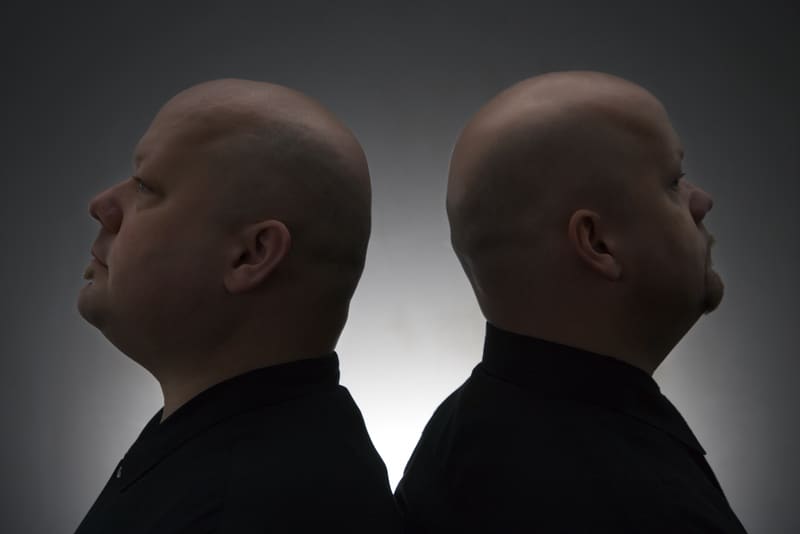
Brother vs Brother

⬅ See all events from 21 August

Spread the word on your favourite platform!

1891: William Colston Hanged at Melbourne Gaol for the Narbethong Double Murder

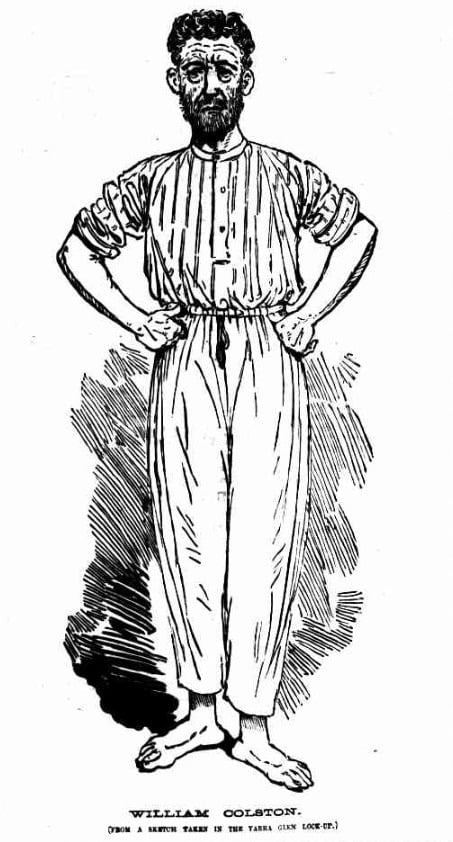
William Colston, a carpenter, was arrested at Yarra Glen after being recognised outside a hotel by a former acquaintance, A.V. Forster, who slipped away under the pretence of fetching his purse and alerted the local constable. Colston had denied his identity, claiming his name was Lewis, but Constable Arnold confirmed the arrest by locating the distinctive bald spot on the back of his head, matching the description published in the Police Gazette. He had been wanted over the murders of Mr. and Mrs. Davis at Narbethong on 20 February.

Colston was tried, convicted, and hanged at Melbourne Gaol on 21 August 1891.

Upon arrest, Colston acknowledged he was the man being sought and admitted he had committed the murders, proceeding to describe the circumstances under which he had killed the elderly couple.

William Colston - Final Days

⬅ See all events from 21 August

Spread the word on your favourite platform!
On This Day in True Crime History

Subscribe to Dark Stories

True crime stories, dark history and tour news, straight to your inbox.