1964: Eric Edgar Cooke Hanged in Fremantle: the Serial Killer Whose Confessions Freed Two Innocent Men

Eric Edgar Cooke terrorised Perth through the late 1950s and early 1960s, eventually confessing to eight murders and fourteen attempted murders, including five people shot during a single Australia Day rampage. He also admitted to more than 250 burglaries, recalling with uncanny precision the number and denomination of coins stolen in each one.

His confessions carried a far darker twist: they cleared two men already tried, convicted and imprisoned for murders Cooke now claimed as his own. He was ultimately convicted of killing John Lindsay Sturkey, one of his victims, after pleading not guilty on grounds of insanity.

Cooke was hanged in Fremantle on this day in 1964.

He never denied his crimes, confessing fully and in exacting detail to police before his execution.
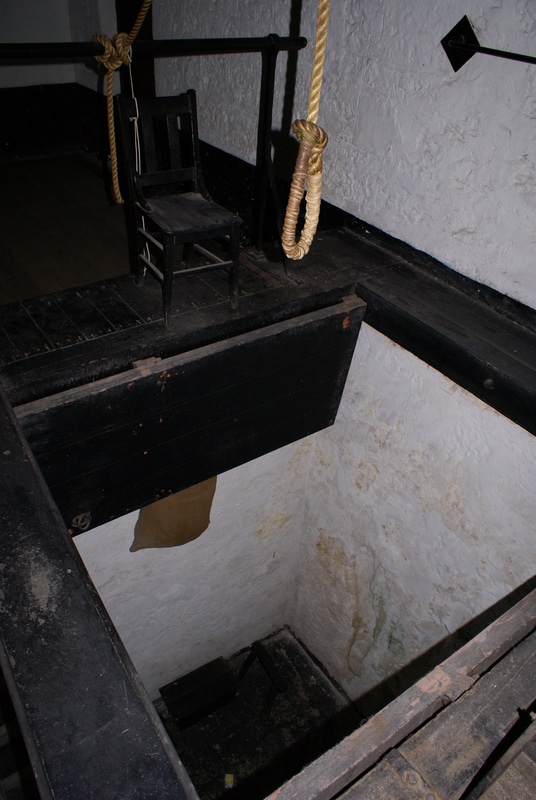

Fremantle Prison Western Australia: the gallows where 44 people were hanged including the last: Serial killer Eric Edgar Cooke in 1964.

⬅ See all events from 26 October

Spread the word on your favourite platform!

1883: Hanged in Perth, Each Still Blaming the Other to the End

James Watson, a pig dealer known locally as 'Jimmy the pigman', met two sandalwood cutters, John Maroney and William Watkins, on a bush track near Kojonup, Western Australia, on 1 May 1883. Within minutes Watkins shot him and crushed his skull with the gun's stock, then piled the body onto a woodcutters' fire that burned for days, the bones later raked from the ashes and reburied in the scrub.

At trial, Maroney's own signed statement, in which he claimed he had only helped burn the corpse after watching Watkins shoot Watson, became the chief evidence against them both. Watkins's counsel argued the case rested on circumstance alone, but the jury found both men guilty of wilful murder.

The pair were hanged in Perth on this day in 1883, neither accepting blame for the killing itself. Moments before the bolt was drawn, asked whether he still believed Maroney had lied in saying he fired the shot, Watkins answered firmly, "I do, sir"; Maroney, for his part, went to his death insisting, "I am innocent of this murder."

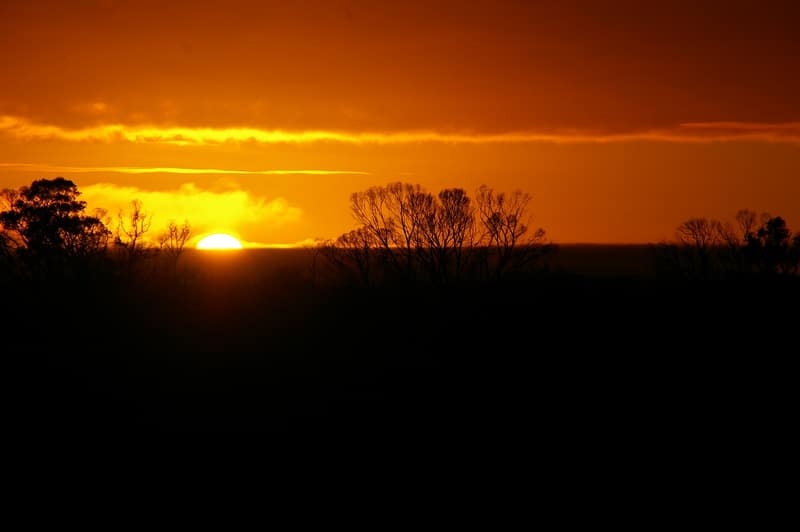
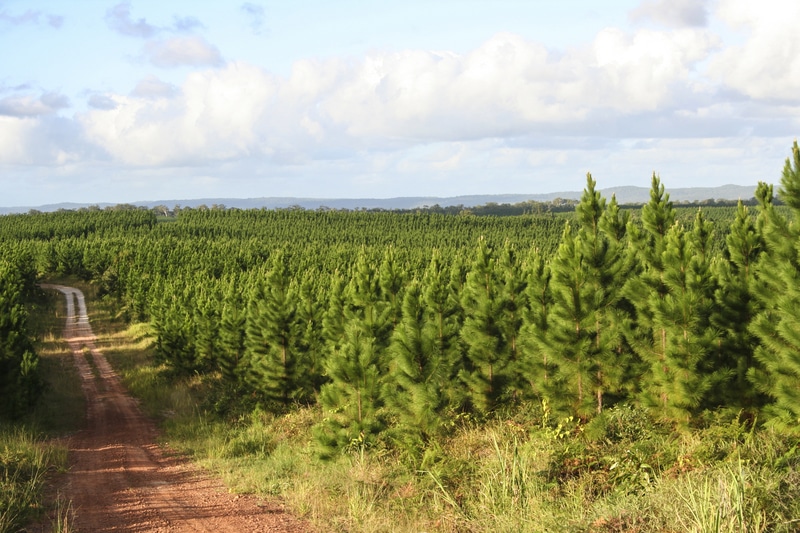
One Last Sunrise: near Kojonup, WA

⬅ See all events from 25 October

Spread the word on your favourite platform!

1884: He Helped Murder a Policeman, Then Willed His Estate to the Widow

Thomas Carbury and an accomplice, Andrew Miller, were arrested for drunkenness in a small Western Australian town, and Constable Patrick Hackett refused to return the new clothing found in their swag, worth about £20, until they explained how they had got it. Released that evening, the pair bludgeoned and stabbed him to death on 12 September 1884; the hammers used on him turned up cleaned but still blood-stained, quietly returned to the local blacksmith's shop.

Police hunted the two men for a week. Cornered in a shootout, Miller was fatally wounded and confessed with his dying breath that "both Carbury and myself killed him." Carbury fled but was soon tracked down and arrested, reportedly carrying a bottle of strychnine, as if hoping to cheat the gallows.

Awaiting execution in Perth, Carbury made a will leaving his savings, horses and stock of cut sandalwood entirely to Hackett's widow. He never once spoke his victim's name, calling him only "that man," and said he wanted everything he owned "to go to the benefit of the child of that man." He was hanged in Perth on this day in 1884, so overcome with terror that two constables had to carry him to the scaffold.

He had earlier acknowledged his guilt to the prison chaplain, though he never explained why he and Miller had killed Hackett.

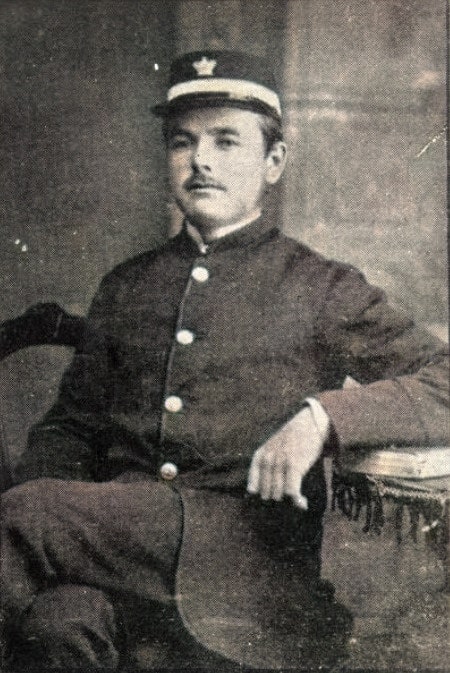
Portrait of police Corporal Evan Williams Western Australia

⬅ See all events from 23 October

Spread the word on your favourite platform!

1907: The Confession That Confessed Nothing: Hanged in Fremantle for the Waroona Farm Murder

Augustin De Kitchilan, a young drifter from Ceylon, had been living and working at Leah Fouracre's isolated farm near Waroona, Western Australia, breaking in her horses in exchange for board. When Fouracre disappeared in mid August 1907, her farmhouse was found burnt to the ground with her charred remains inside, while De Kitchilan was soon found riding her horse and pawning her jewellery across the district. Convicted of her murder after a trial in Perth, he was hanged at Fremantle Prison on 23 October 1907. In his final days he wrote what he titled 'my last confession', a rambling letter to the public that never actually admitted guilt, instead taunting readers in verse to guess who had pulled the trigger if not him. De Kitchilan denied the murder to the end, declaring at his sentencing, 'I absolutely deny the committal of the dirty crime with which I am charged.'

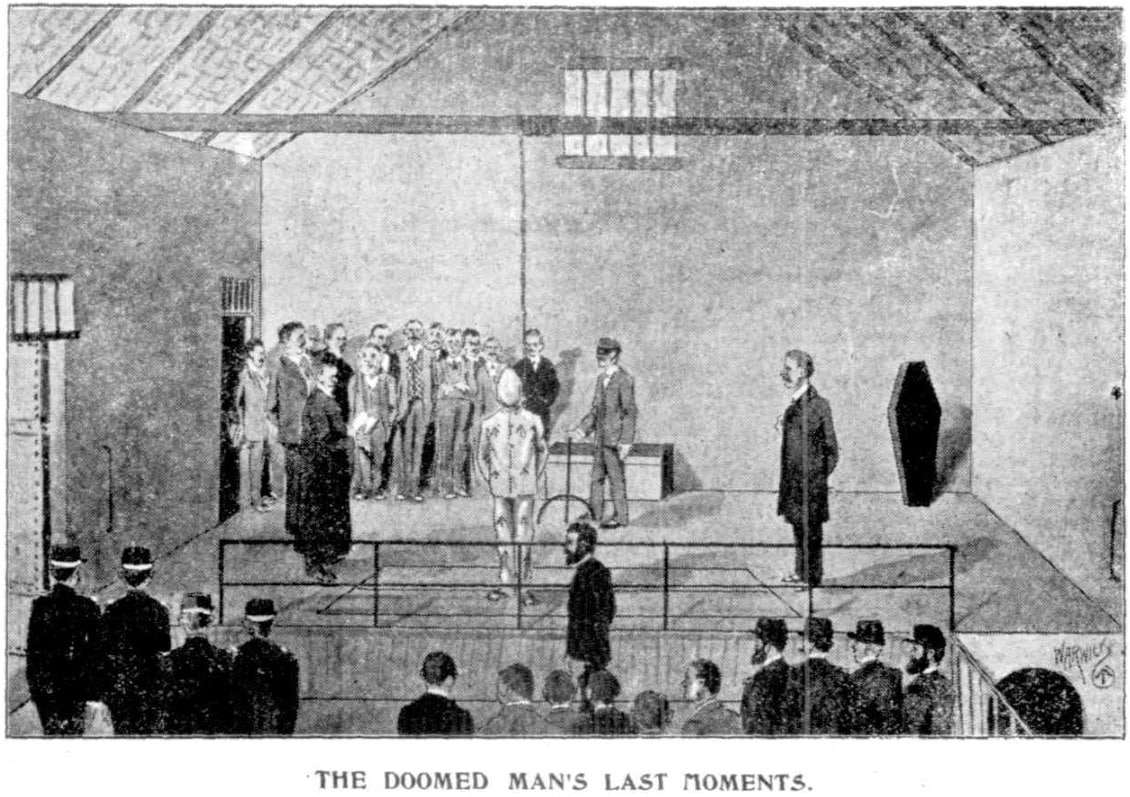
Kitchilan's Execution for the Peppermint Farm Murder : Illustration 1907

⬅ See all events from 23 October

Spread the word on your favourite platform!
On This Day in True Crime History

Subscribe to Dark Stories

True crime stories, dark history and tour news, straight to your inbox.