1811: No Reprieve: The Killers Confession Ignored as a Convicted Man Is Hanged Two Days Late

John Dunn was convicted at the Parramatta Court of Criminal Jurisdiction of murdering Mary Rowe, largely on the testimony of a sixteen year old accomplice, John Welch, whose evidence also saw Welch’s father, Thomas Welch, convicted as an accessory after the fact.

Dunn was due to hang at Parramatta two days beforehand, on Monday 16 September 1811, but as the execution was about to proceed the boy, John Welch, suddenly retracted everything he had sworn at trial. He declared Dunn innocent and claimed that he and his father were the true killers. The Acting Provost Marshal, unable to consult anyone and acting on what observers called motives of humanity, respited the hanging on the spot.

The reprieve lasted only two days. Dunn was finally executed at Parramatta on the Wednesday following, as near as possible to the site of the murder itself, amid what one witness described as far gloomier circumstances than the original sentence would have produced.

After he was cut down, Dunn’s body was delivered to the medical officer at Parramatta General Hospital, where it was dissected and anatomised before burial. The scaffold retraction left lingering public doubt over Dunn’s guilt, with contemporary accounts noting the boy’s claim that Dunn was innocent and that he and his father were the real perpetrators.

Lady Justice Themis statue on gallows with scales and sword

⬅ See all events from 18 September

Spread the word on your favourite platform!

1811: A Last-Minute Recantation at the Gallows Delays the Execution of John Dunn at Parramatta

John Dunn, Thomas Welch and Ann Wilson were charged before the Court of Criminal Jurisdiction at Parramatta with the murder of Mary Rowe. After a lengthy hearing, the court convicted Dunn of the murder largely on the evidence of an accomplice, John Welch, a boy of about sixteen.

Dunn was ordered hanged the following Monday, between eight and twelve. But as the execution was about to proceed, the teenage witness suddenly retracted his sworn testimony in front of the assembled spectators, declaring that Dunn was innocent and that he and his father, Thomas Welch, were the true killers. The Acting Provost Marshal, with no precedent to guide him, respited the hanging, which did not take place until the following Wednesday, under far gloomier circumstances than before.

Despite the boy’s dramatic gallows reversal accusing himself and his father of the killing, the original verdict against Dunn stood and his execution went ahead two days later than planned.

Lady Justice Themis statue on gallows with scales and sword

⬅ See all events from 16 September

Spread the word on your favourite platform!

1866: The Sussex Street Mystery: A Dog Walk Leads to a Severed Head in Sydney

Eleven-year-old James Kirkpatrick was walking his dog behind Sussex Street in Sydney in September 1866 when he stumbled on a woman’s severed head half buried in a rubbish heap near Ebsworth’s tweed factory and Barker’s flour mills. Nearby lay her torso, its chest cavity completely emptied and the lower ribs charred. Despite police turning the rubbish heap over three times and combing the neighbourhood, no other body parts were ever recovered.

The case became known as the Sussex Street Mystery and gripped the colony as police pieced together the killing. It ended with the conviction and execution of a butcher, William Henry Scott, for the murder, making it one of colonial Australia’s most sensational and gruesome murder cases.

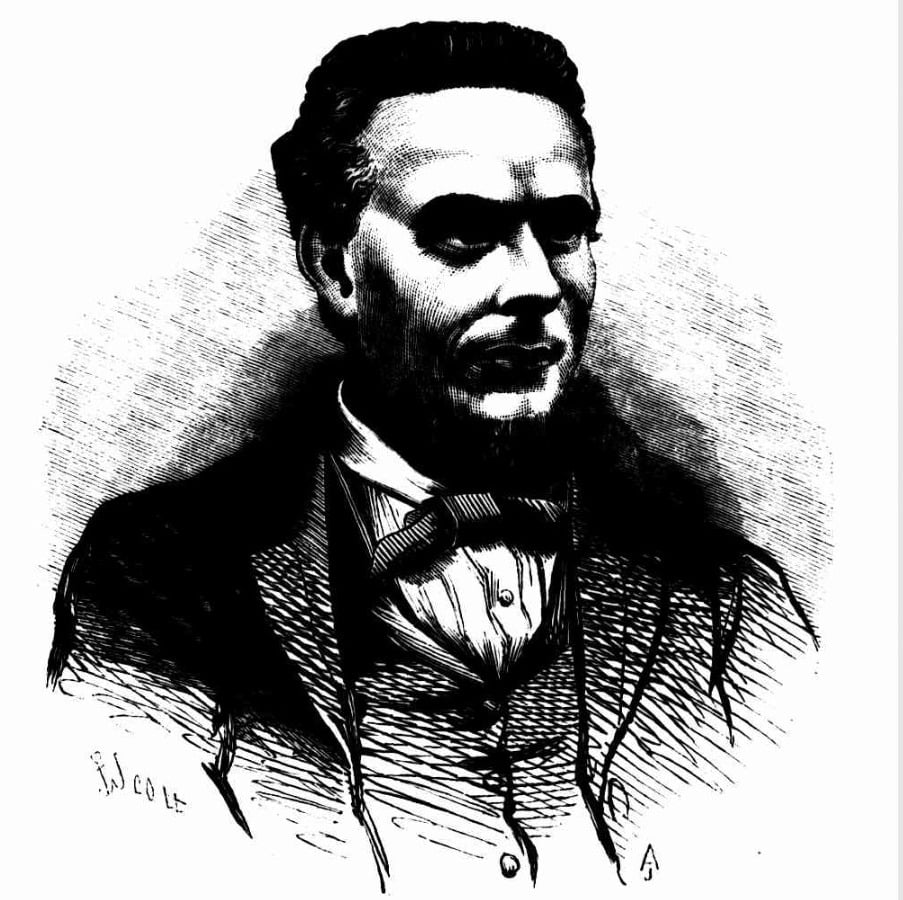
William Henry Scott under sentence of death 1867

⬅ See all events from 15 September

Spread the word on your favourite platform!

1828: The Tunnel Under Sydney: Australia’s First Great Bank Robbery

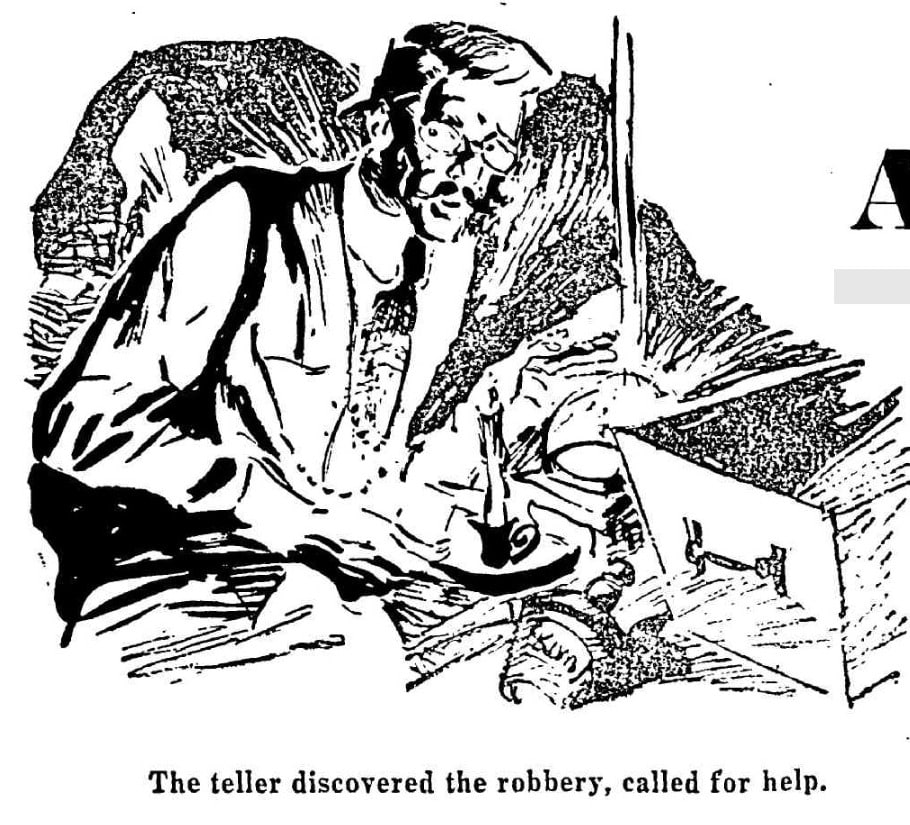
On the night of 14 September 1828, thieves broke into the Bank of Australia in Sydney. A teller arriving the next morning found the strongroom breached.

Thieves had tunnelled through a drain on the opposite side of the street, burrowed underground, and cut through a foundation wall between five and nine feet thick, work that would have taken at least three to four weeks to complete. They made off with 12,000 to 14,000 pounds in cash and property, a sum worth a small fortune today.

For two and a half years the robbers evaded capture, even as some of the stolen notes began surfacing in circulation and officials issued repeated warnings against using them. The case only broke when one of the gang was sentenced to 14 years on Norfolk Island for an unrelated highway robbery in 1829. Nearly a year into that sentence, he accepted the Governor’s offer of a pardon and confessed, naming his accomplices: one of whom had fled to Ireland, another who had since died, and three more who joined him on Norfolk Island.

Not all the stolen money was recovered. Rumour has long held that boxes of coins from the robbery remain buried near the water’s edge on Sydney’s North Shore.

Discovering the robbery.

⬅ See all events from 14 September

Spread the word on your favourite platform!
On This Day in True Crime History

Subscribe to Dark Stories

True crime stories, dark history and tour news, straight to your inbox.