1612: The Pendle Witch Trials Begin: Eleven Accused in One of England’s Most Documented Witchcraft Cases

In August 1612, eleven people stood trial at Lancaster Castle accused of witchcraft in one of the most thoroughly documented witch trials in English history. Six of the accused came from two rival poverty-stricken families: the Demdikes, led by Elizabeth Southerns known as Old Demdike, and the Chattoxes, led by Anne Whittle known as Mother Chattox. The trials unfolded against a backdrop of religious unrest in Lancashire, a region long regarded as resistant to Protestant authority and sympathetic to Catholicism.

Ten of the eleven were found guilty and executed. The proceedings were recorded in an official publication, The Wonderfull Discoverie of Witches in the Countie of Lancaster, by court clerk Thomas Potts, ensuring the case survived as legend. In a country where fewer than 500 people were executed for witchcraft over three centuries, this single summer of trials in Pendle accounts for roughly 2% of that total.
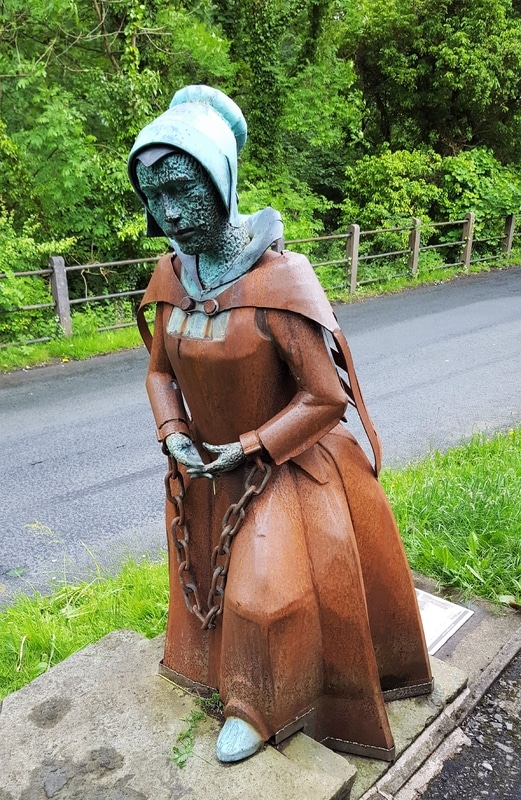

Sculpture of Alice Nutter famous English witch. Sculpture of Alice Nutter captured on the way to Pendle hill, famous witch trail and the history of the English witch craft. | ID 113675970 © Milosz Kubiak | Dreamstime.com
ID 113675970 © Milosz Kubiak | Dreamstime.com

⬅ See all events from 18 August

Spread the word on your favourite platform!

1786: Britain Decides to Dump Its Criminal Class on the Far Side of the World

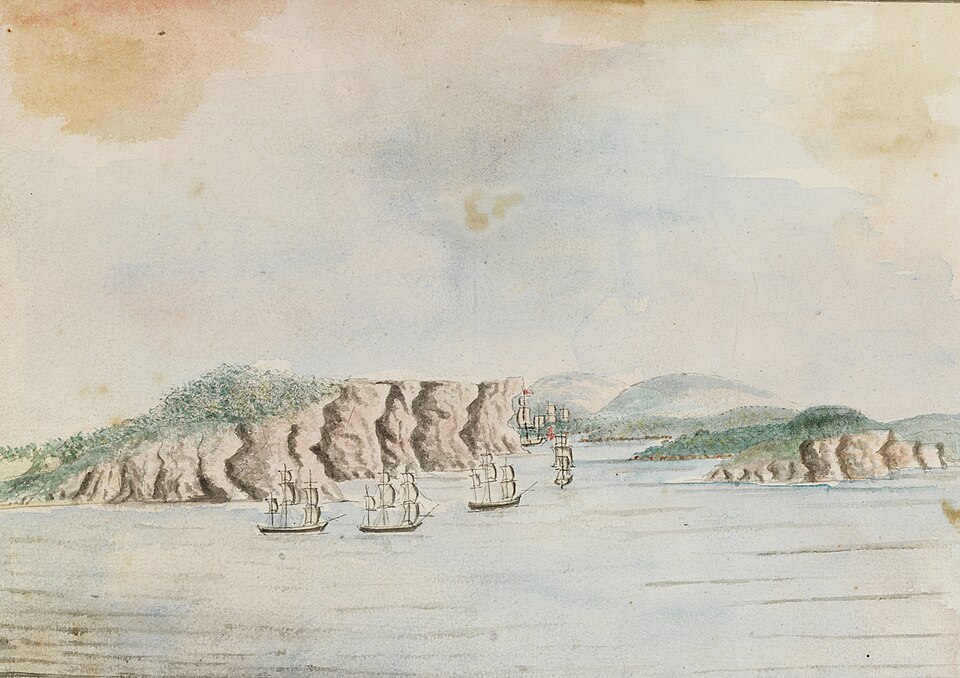
In 1786, Britain faced a crisis of its own making. Decades of the so-called bloody code had swollen the criminal class with petty offenders, American independence had slammed shut the old dumping ground of the colonial plantations, and the gaols were bursting. The solution settled upon was audacious: ship Britain’s unwanted more than 15,000 miles to New South Wales, a coastline only recently mapped by Captain Cook, who had praised the land around Botany Bay.

Over the next 80 years, more than 160,000 men and women were transported to Australia and Van Diemen’s Land. Transportation meant total erasure: the loss of home, family, and identity, followed by a brutal sea crossing and survival in an utterly foreign land. Yet for many, the far side of the world offered something the old country never would: a second chance.

First Fleet ships entering Sydney Harbour 1788 illustration

⬅ See all events from 18 August

Spread the word on your favourite platform!

1820: Rebecca Worlock Hanged at Gloucester Prison for Poisoning Her Husband

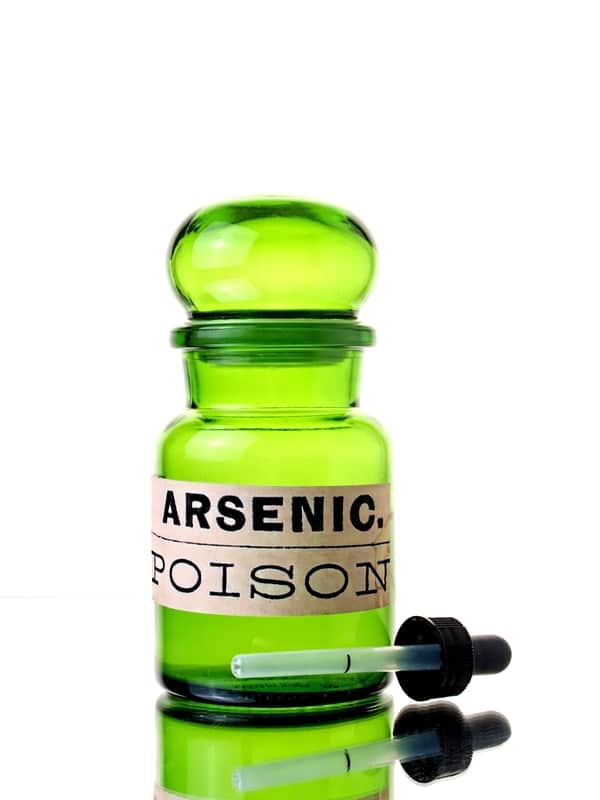
Rebecca Worlock, a 37-year-old mother of three from Oldland and Bitton in Gloucestershire, poisoned her husband Thomas with arsenic in April 1820. She had purchased the poison from a pharmacy at Kingswood Hill, telling a stranger she had enlisted to accompany her that it was not for rats but for her husband. Thomas died on 21 April after falling ill following a beer laced with the substance; a post-mortem confirmed poisoning and Rebecca was arrested.

Tried at Gloucester Assizes on 14 August 1820, the jury convicted her in just seven minutes. She was hanged at Gloucester Prison two days later, on 16 August, before a large crowd that had travelled from her home villages. Her body hung for an hour before being handed over to surgeons for dissection.

Worlock confessed to the murder before her execution.

Poison
Poison

⬅ See all events from 16 August

Spread the word on your favourite platform!

1915: Brides in the Bath Killer Hanged at Maidstone Prison

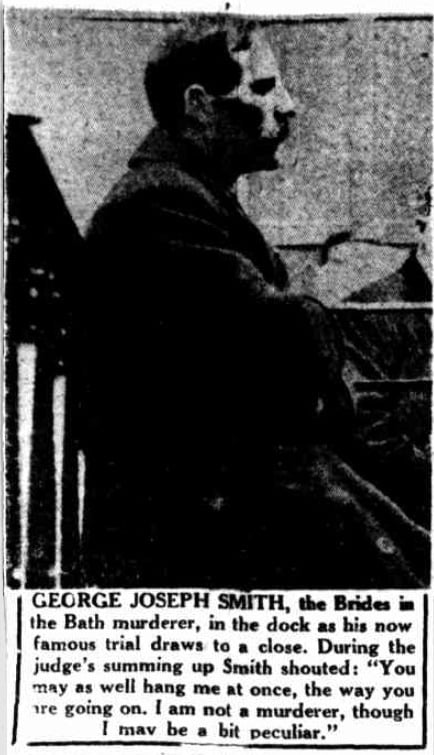
George Joseph Smith, operating under aliases including Henry Williams and John Lloyd, was convicted of drowning three women in their baths after marrying them bigamously and insuring their lives. His victims were Bessie Mundy, found dead at Herne Bay in 1912; Alice Burnham, drowned at Blackpool in December 1913; and Margaret Lofty, found dead in her bath at Highgate in December 1914. Each death was initially recorded as accidental, but Divisional Detective Inspector Neil and pathologist Dr Bernard Spilsbury determined that accidental drowning in any of those baths was effectively impossible.

Smith was tried in 1915, convicted of all three murders, and hanged at Maidstone Prison by executioner John Ellis on 13 August 1915.

Smith protested his innocence to the end.

George Joseph Smith Brides in the Bath murderer in the dock

⬅ See all events from 13 August

Spread the word on your favourite platform!
On This Day in True Crime History
1794·The First Free Settler Murdered in the Colony: Hanged at Sydney for a Parramatta Stabbing
1826·The Gun That Misfired Twice: Three Bushrangers Hanged Outside Sydney
1873·A Tearful Confession in Custody Cracked the Case: Two Men Hanged at Perth Gaol for Eating their Victim
1889·He Called It an Accident. The Jury Called It Murder: Robert Landells Hanged at Melbourne Gaol
1907·A Doctor Fooled Twice: Martha Rendell and the Second Child to Die of Diphtheria
2002·Shot Dead in His Own Bed: A Melbourne Gangland Killing Blamed on a Friend
More Crime On This Day →

Subscribe to Dark Stories

True crime stories, dark history and tour news, straight to your inbox.