1932: Nine Minutes on the Gallows: the Longest Last Speech in Melbourne History

David Bennett spoke from the gallows for nine minutes, the longest statement ever made by a condemned man in Victoria. The 59-year-old painter and carpenter had walked to the scaffold calmly, and he spoke in a clear, steady voice.    He was hanged in Melbourne for a capital assault committed in July 1932, the first execution in Victoria since 1924 and the first since 1891 for any crime other than murder. It was not his first such conviction. In Western Australia in 1911 he had been sentenced to life imprisonment and a flogging by a judge who told him: “You are not fit to live in this world.”    He served just three years in Fremantle Gaol before the Attorney-General released him on legal doubts about the conviction, causing an outcry unprecedented in the state. Bennett moved east, and in 1930 he came forward to Melbourne detectives with information about a notorious unsolved murder. A man was arrested on his word, and was later found to be innocent.    Bennett admitted nothing. He claimed his defence had never been properly put to the jury, and ended: “I repeat that I am not guilty, and again ask forgiveness from those whom I have wronged as I forgive those who have wronged me. Good-bye.”
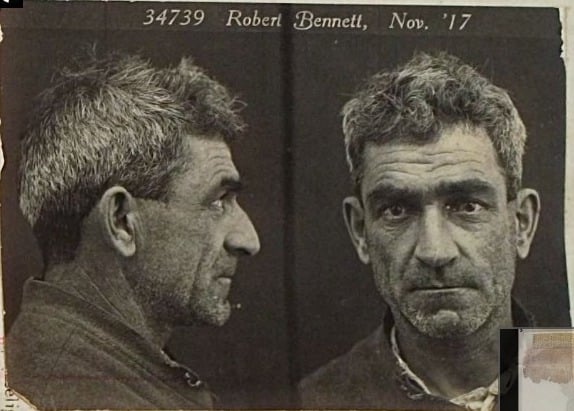

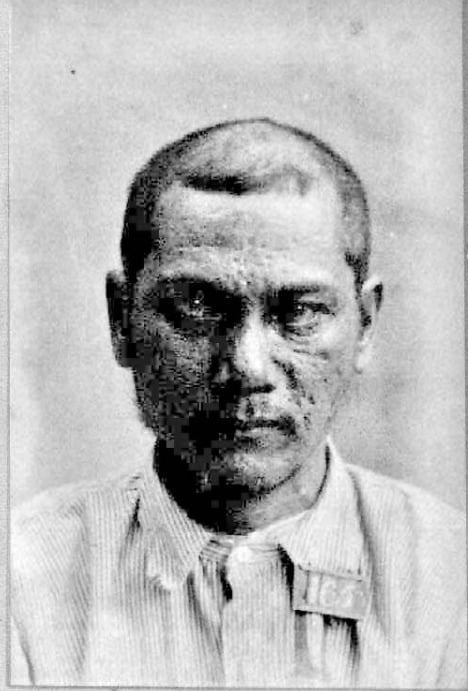
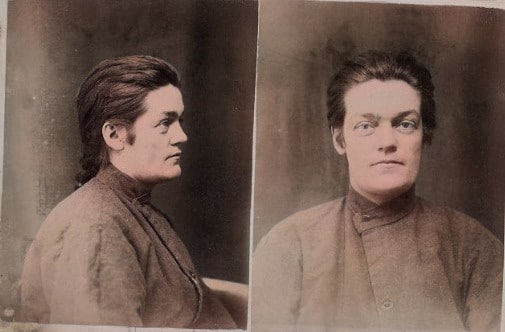
An Unspeakable Degenerate - CeVPRS 1100/P0002, David Bennett
An Unspeakable Degenerate – CeVPRS 1100/P0002, David Bennett

⬅ See all events from 26 September

Spread the word on your favourite platform!

1860: Flogged as a Soldier, Broken on Norfolk Island, Hanged at Hobart: the Ruin of a Convict

Moments after the bolt was drawn at the Campbell Street Gaol in Hobart, the chaplain stepped forward and read aloud a letter the dead man had written the day before in the condemned cell. It was addressed “To all men at Port Arthur”, and Martin Lydon had begged that it be made public.

It was the story of a ruined life in a few lines. Disobedient at ten, a soldier at 16, Lydon struck an officer of his company in a moment of anger and was flogged: “this ruined me”. He came to hate the army and took to drink, and further violence saw him transported. “The vileness of Norfolk Island turned me into an animal,” he wrote. Only three weeks earlier, in H division, he had boasted that he did not care about being hanged. Now he called that his “wicked flashiness”: “Every man about to die must fear the judgment of God.”

Lydon had been capitally convicted in the Supreme Court of a felonious assault at Port Cygnet, south of Hobart, committed while drunk, a crime that then carried the death penalty. Lydon disputed part of the evidence given at his trial, but he did not dispute the sentence: what he had done in his drunkenness, he wrote, deserved death. “May the drunkenness that brought on me this misery be a warning to all of you.”

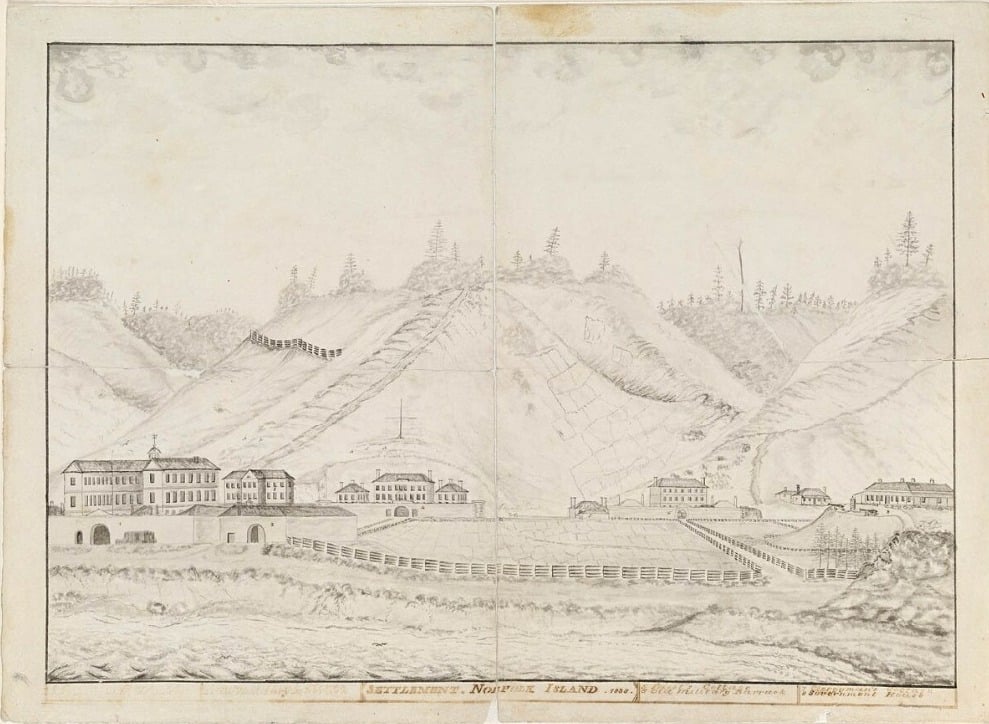
Norfolk Island settlement, 1838. Ink and wash drawing, artist unknown. State Library of New South Wales, SV8/Norf I/5.

⬅ See all events from 25 September

Spread the word on your favourite platform!
On This Day in True Crime History
1816·He Blamed His Mate for the Shot, But It Was His Own Gun That Fired: Triple Hanging in Sydney
1895·"Look, Jimmy": The Chilling Instant Before a Fatal Tomahawk Attack Near Mount Morgan, Hanged in Brisbane.
1895·"A Feeling of Relief": Hanged in Melbourne for Drowning a Family Member
1993·11-04 | 1993 Two More Victims Discovered: The Backpacker Murders in the Forest South-West of Sydney
More Crime On This Day →

Subscribe to Dark Stories

True crime stories, dark history and tour news, straight to your inbox.