William Burridge: The Soldier Turned Highwayman

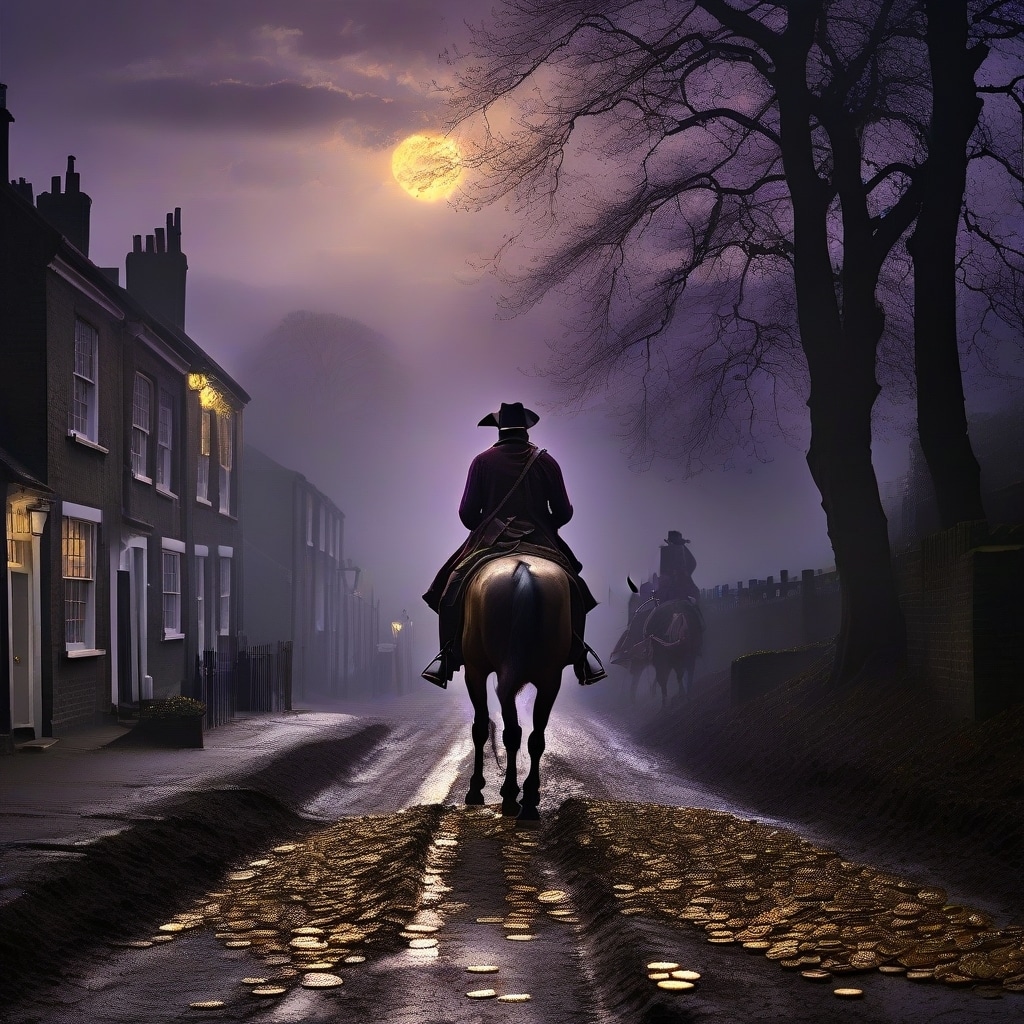
William Burridge grows up strong, handsome, and restless in Northamptonshire, a young man built for the wrestling ring and the cudgel match but never for the carpenter’s bench his father sets him to. Lives of the Most Remarkable Criminals captures him at the pivot point: a boy indulged too long, slipping easily from stolen poultry at country fairs to something far darker on the open road.

His is the kind of story that feeds the oldest appetite in true crime: a man whose physical gifts and inflated sense of his own worth carry him past every warning and every second chance. The praise he wins only sharpens his hunger for a life unburdened by honest labour.

Ahead of him lies a world of highways, prisons, and the slow tightening of a justice system that never forgets a name. Hear the full account read aloud from Lives of the Most Remarkable Criminals; let this nearly three hundred year old voice pull you into the Georgian darkness.
Click the RSS feed link below to subscribe and get new episodes the moment they drop.

Subscribe via RSS

Dark Lexicon: Old words. Dark meaning.

The past speaks its own dialect; here is what to listen for in this episode.

The vulgar: today this word means crude or obscene, but in the eighteenth century it simply meant the common people; the ordinary masses. When the text says the vulgar have false notions of courage, it is not insulting anyone’s manners; it is saying that everyday folk misunderstand what bravery really is, and that misunderstanding can ruin a man.

Cudgel-playing: a rough sport in which two opponents battered each other with short, heavy sticks, trying to draw blood from the head. It was a fixture of country fairs and wakes, and winning earned a man the kind of local fame that could go straight to his skull; in more ways than one.

Junketting: not a spelling error but an older form of junketing, meaning feasting, carousing, and generally having a wild time. Burridge’s particular flavour of junketting involved servant girls in the neighbourhood, which tells you everything about where his priorities lay.

Man-of-war: a warship; specifically a vessel in the Royal Navy armed and crewed for battle. Burridge’s family hoped the discipline of naval service would straighten him out. The sea had other plans.

Becoming evidence: this phrase meant turning informer; offering testimony against your fellow criminals in exchange for your own life. It was a desperate bargain, and the courts knew exactly how to exploit it. A man who became evidence bought time, but rarely bought trust.

Wakes: in this context, not funeral vigils but annual parish festivals; loud, drunken, communal celebrations that often featured wrestling, cudgel bouts, and other rough entertainments. They were the proving grounds where young men like Burridge built dangerous reputations.

Bay gelding: a castrated male horse with a reddish brown coat. Stealing one was no petty matter; horses were enormously valuable property, and horse theft was treated as a serious felony that could carry the heaviest of consequences.

Old Bailey: London’s central criminal court, standing next to Newgate Prison. For centuries it was the last courtroom many defendants would ever see. Its name alone carried weight enough to make a hardened man go pale.
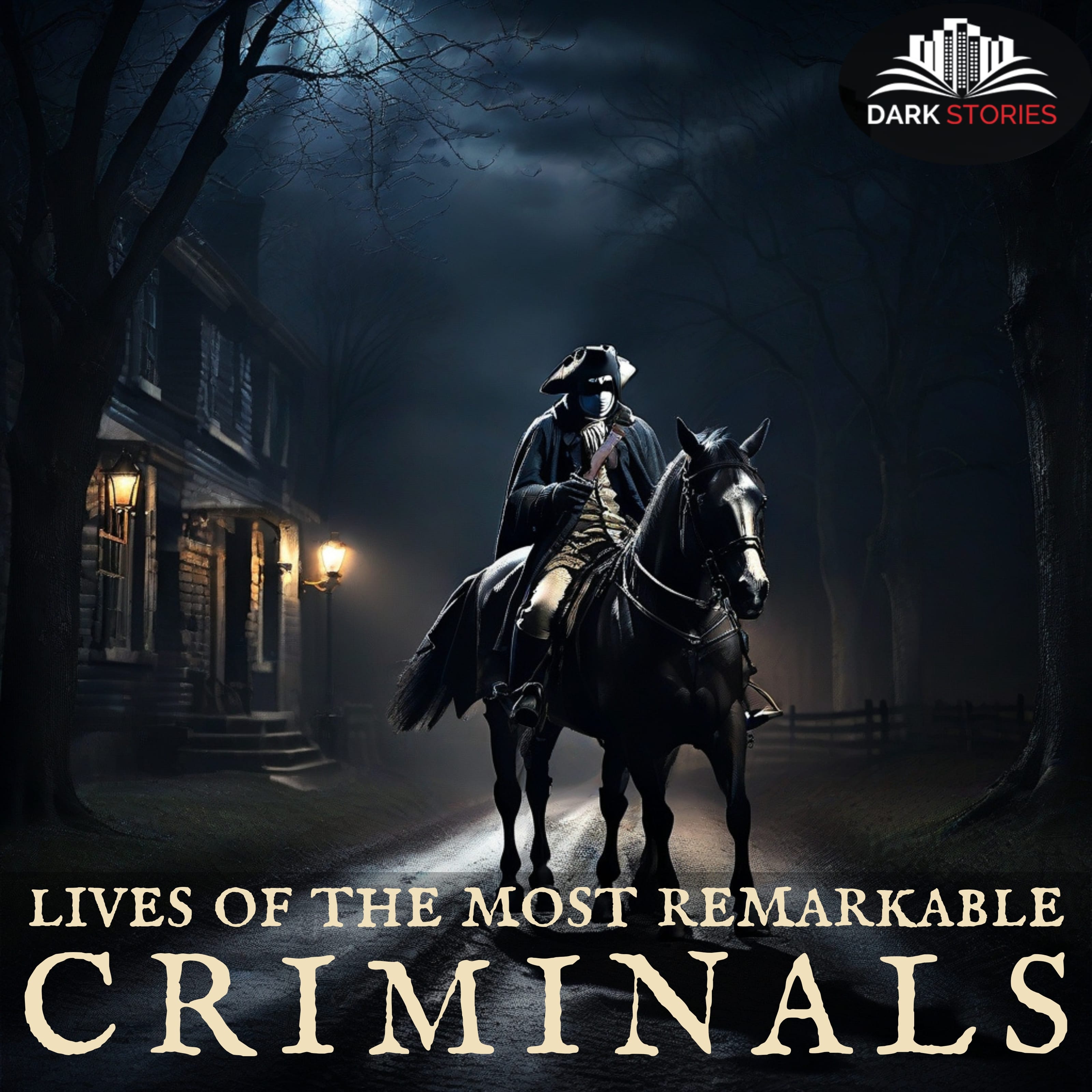

Lives Of The Most Remarkable Criminals

Spread the word on your favourite platform!

William Colthouse: The Jacobite Highwayman of Yorkshire

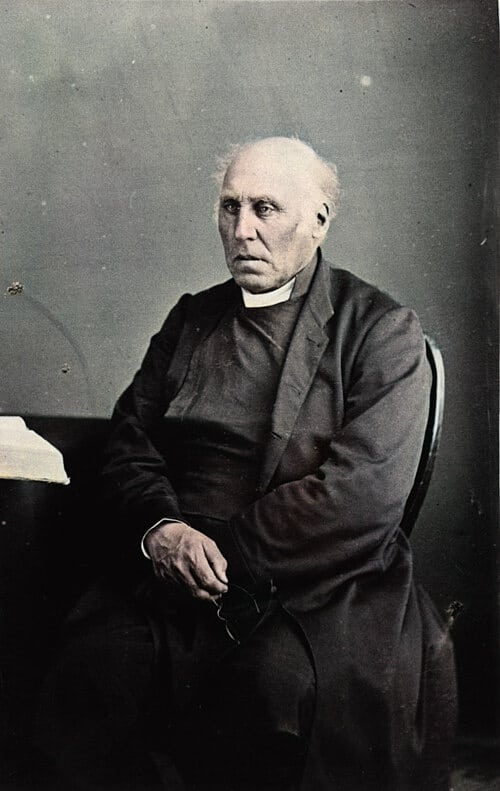
William Colthouse is a well-educated Yorkshire man with firm religious principles and even firmer political convictions; it is these convictions that first drag him into the orbit of criminality. As recorded in Lives of the Most Remarkable Criminals, his outspoken Jacobite sympathies land him inside Newgate, where the company he keeps teaches him a new and darker set of skills.

What emerges from this true crime account is a figure caught between conscience and temptation: a man who knows the difference between right and wrong yet finds the lure of easy money irresistible once honest labour loses its shine. His story is shaped by political loyalties, family bonds, and a restlessness that refuses to be tamed by ordinary work.

The roads of Georgian England are waiting, and for a man like Colthouse, every choice narrows the path ahead. Lives of the Most Remarkable Criminals preserves his voice with startling clarity; settle in and hear it for yourself.

Click the RSS feed link below to subscribe and get new episodes the moment they drop.

Subscribe via RSS

Dark Lexicon: Old words. Dark meaning.

The past speaks its own dialect; here is what to listen for in this episode.

Hereditary rights: in the early eighteenth century this phrase was politically explosive. It referred to the belief that the crown passed by divine bloodline alone, and that Parliament had no authority to redirect the succession. For Jacobites like Colthouse, hereditary right meant the exiled Stuart line still held the only legitimate claim to the throne; to say so aloud under the new Hanoverian king was sedition.

Jacobite: from the Latin ‘Jacobus’ for James, a Jacobite was a supporter of the deposed Stuart dynasty, particularly James II and his descendants. In the reign of George I, professing Jacobite sympathies was not merely unfashionable; it was dangerous enough to land a man in prison.

Seditious words: today sedition feels like a term from dusty law textbooks, but in Georgian England it was a potent weapon. Speaking against the king or the Protestant succession could be prosecuted as a crime in itself; no riot or rebellion required. Words alone could put you in chains.

Journeyman: not a traveller, though the word hints at journeys. A journeyman was a skilled worker who had completed his apprenticeship but did not yet run his own shop. He worked for a master, hired by the day; the word comes from the French ‘journee,’ meaning a day’s work. In Colthouse’s case, he worked as a journeyman joiner: a qualified carpenter labouring for wages rather than profit.

Expeditions on the road: a polite euphemism for highway robbery. The phrase lends a gentleman’s gloss to what was in reality armed theft on the king’s highways. Authors of the period sometimes deployed this sort of language with a wink, as though robbing travellers were a kind of sporting venture.

Gridiron: a flat cooking grate made of iron bars set over a fire, used for grilling meat. That soldiers would press a man’s face onto one that was red-hot gives a visceral sense of the casual brutality of alehouse brawls in this era; the scar Colthouse carried from it would later be mistaken for evidence of an entirely different crime.

Condemnation: today we condemn ideas or behaviour, but in the criminal courts of the eighteenth century the word had a literal and lethal meaning. To lie under condemnation was to have received a death sentence and to be waiting, usually in the condemned cells of Newgate, for the appointed day.

Temporal concerns: in Colthouse’s farewell letter, temporal does not mean ‘temporary.’ It means worldly; of this earthly life as opposed to the spiritual. A man about to leave the world is expected to shed temporal concerns and fix his thoughts on the eternal; that Colthouse could not do so entirely makes his letter all the more human.

Lives Of The Most Remarkable Criminals

About This Series

Lives of the Most Remarkable Criminals is one of the earliest works of true crime writing in the English language, nearly 300 years old, covering murderers, thieves, highwaymen, forgers, coiners and worse.

The book is entirely in the public domain and every word of it can be read today for free. But if you would rather listen, this podcast does exactly that: one criminal at a time, every week, read aloud.

True crime was not invented by podcasts or streaming services. Eighteenth century readers were just as fascinated by outlaws and killers as we are today. They just consumed their dark stories by candlelight.

The voice you hear is David Dark: crime researcher, theatre script writer, producer of live immersive experiences, and audiobook narrator and voice artist. This podcast uses an AI voice model trained on David’s own voice, built using the maximum available training data to faithfully represent how he actually sounds. To hear David’s real voice in human generated form, visit him on Audible, Online Stage, Voices of Today, Spoken Realms, and Internet Archive.

Spread the word on your favourite platform!

James Shaw: Highwayman and Murderer of the Hampstead Road

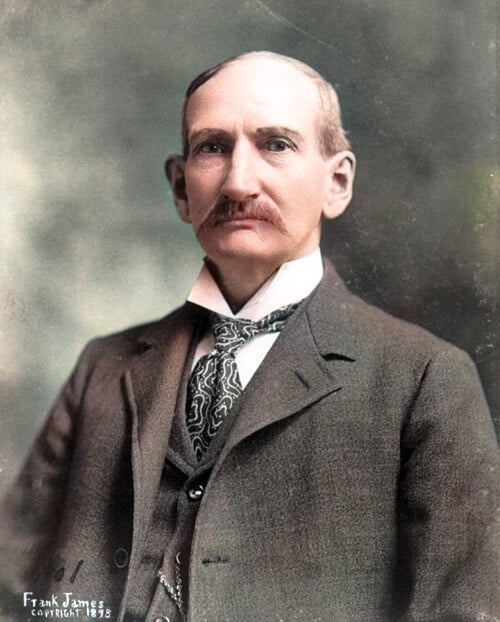
James Shaw is a man who cannot settle. Born into a family with the means to set him on a respectable path, he drifts through one trade after another, never sticking, never satisfied; Lives of the Most Remarkable Criminals captures him at the precise moment restlessness curdles into something far more dangerous.

He blames a negligent wife, he blames circumstance, but beneath every excuse lies a temperament that finds honest labour unbearable. It is a story that belongs to the oldest tradition of true crime: the man who convinces himself that taking from others is no crime at all.

The Hampstead Road stretches ahead of him in the dark, full of coaches and strangers and the particular kind of trouble that cannot be undone. Lives of the Most Remarkable Criminals tells what happens next; let it speak in its own voice.

Click the RSS feed link below to subscribe and get new episodes the moment they drop.

Subscribe via RSS

Dark Lexicon: Old words. Dark meaning.

The past speaks its own dialect; here is what to listen for in this episode.

Unsettledness: today we might say ‘restlessness’ or ‘instability,’ but in the early eighteenth century this word carried a sharper edge. It suggested a constitutional defect, a soul that refused to be governed; not merely fidgeting, but a deep incapacity for the discipline that society demanded.

Forger of gun-locks: nothing to do with forgery in the criminal sense. A forger here is a metalworker, someone who shapes iron at a forge. Shaw learns enough of this honest trade to occasionally earn money by it, though he prefers to earn it other ways entirely.

Footpad: a highway robber who operates on foot rather than on horseback. The distinction mattered enormously in this era; the mounted highwayman could at least pretend to a certain glamour, while the footpad was seen as the lowest and most brutal kind of street predator.

Goldfinches: Shaw uses this as slang for gold coins. When he tells his victims he ‘fancied the goldfinches were not yet flown,’ he means he suspects there is far more money hidden in the coach. It is a piece of criminal wit, delivered at swordpoint.

Knights of the road: an ironic, almost affectionate term for highwaymen, borrowing the language of chivalry to describe armed robbery. The phrase was common in the period and captures the strange way popular culture romanticised men who were, by law, common felons.

Committed: in legal usage, to be committed meant to be formally sent to prison by a magistrate to await trial. It did not imply conviction; it meant the wheels of justice had begun turning, and they rarely turned in the prisoner’s favour.

Tile kilns by Pancras: the brick and tile kilns that stood near the parish of St Pancras, then a semi-rural area on London’s northern fringe. It was exactly the kind of lonely, industrial borderland where footpads thrived; close enough to the city for victims, remote enough for violence.

Pinder of Wakefield: a well-known tavern near the Gray’s Inn Road area. Named after a figure from Robin Hood legend, it served in this story as the place where a dying man was carried after being attacked; a grim irony, given its folkloric associations with outlawry.

Fact: in eighteenth century legal language, ‘fact’ often meant ‘deed’ or ‘criminal act.’ When the text says ‘for a fact of murder,’ it means for the deed of murder; the word had a harder, more accusatory weight than it does today.

Lives Of The Most Remarkable Criminals

About This Series

Lives of the Most Remarkable Criminals is one of the earliest works of true crime writing in the English language, nearly 300 years old, covering murderers, thieves, highwaymen, forgers, coiners and worse.

The book is entirely in the public domain and every word of it can be read today for free. But if you would rather listen, this podcast does exactly that: one criminal at a time, every week, read aloud.

True crime was not invented by podcasts or streaming services. Eighteenth century readers were just as fascinated by outlaws and killers as we are today. They just consumed their dark stories by candlelight.

The voice you hear is David Dark: crime researcher, theatre script writer, producer of live immersive experiences, and audiobook narrator and voice artist. This podcast uses an AI voice model trained on David’s own voice, built using the maximum available training data to faithfully represent how he actually sounds. To hear David’s real voice in human generated form, visit him on Audible, Online Stage, Voices of Today, Spoken Realms, and Internet Archive.

Spread the word on your favourite platform!

James Wright: The Weeping Highwayman of the Old Bailey

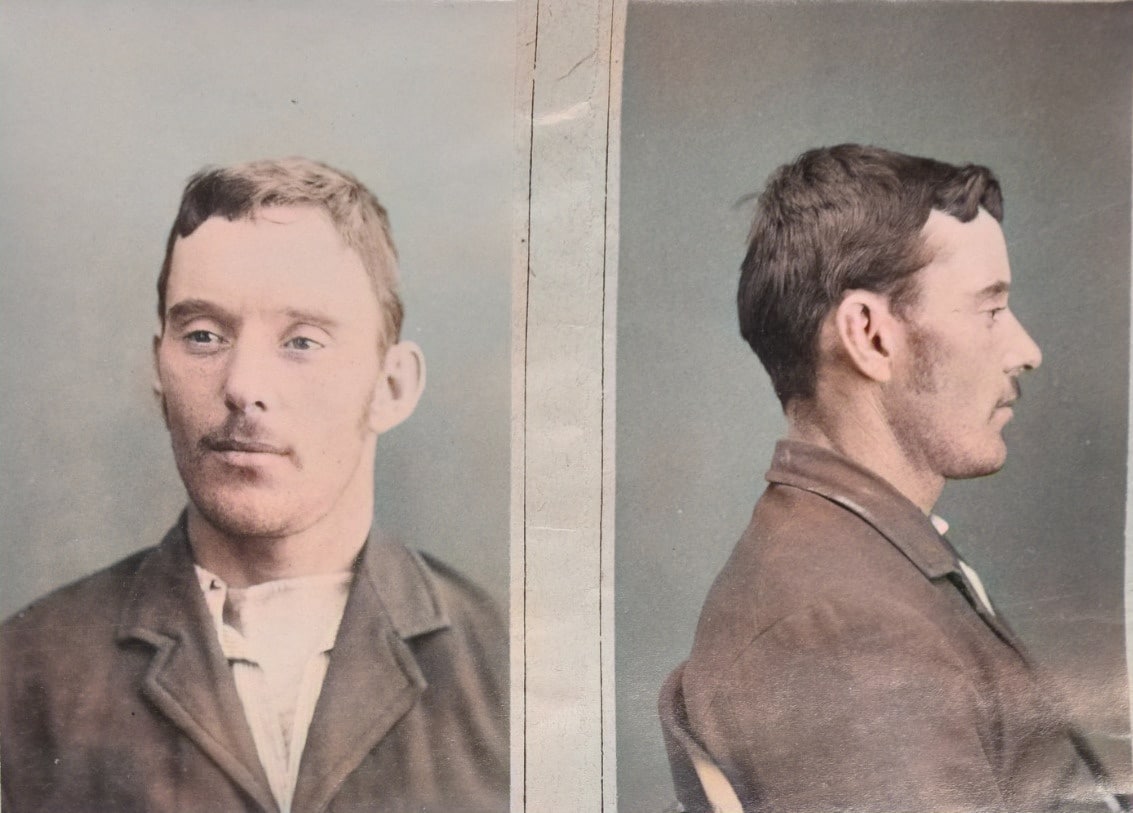
A respectable wigmaker on the Old Bailey begins to spend faster than he earns, drawn into pleasures he cannot afford and will not abandon. Lives of the Most Remarkable Criminals captures his slide with quiet precision: James Wright does not turn to crime out of malice but out of want, a man whose appetites gnaw through his livelihood until nothing remains but the road.

What makes Wright linger in the annals of true crime is not his daring but his conscience. He is described as a highwayman who could hardly rob a traveller without weeping, a man forever promising himself he would stop, forever failing to keep that promise.

The tension between remorse and repetition shapes everything that follows, a loop of guilt and need tightening around a man who cannot break free. Lives of the Most Remarkable Criminals tells his story in full; listen now and step into the dimly lit world of a criminal who could never quite harden his own heart.

Click the RSS feed link below to subscribe and get new episodes the moment they drop.

Subscribe via RSS

Dark Lexicon: Old words. Dark meaning.

The past speaks its own dialect; here is what to listen for in this episode.

Malefactor: today this word sounds almost theatrical, something pulled from a superhero film. In the eighteenth century it was deadly serious: a malefactor was simply a person who committed a crime, a wrongdoer in the eyes of the law. It carried no dramatic flair; it was the plain, official label pinned to anyone awaiting judgement.

Peruke-maker: a maker of perukes, which is to say wigs. In Georgian England the wig trade was a legitimate and often lucrative craft, serving everyone from lawyers to gentlemen of fashion. To be apprenticed to a peruke-maker was a perfectly respectable start in life; the fact that Wright had one makes his fall all the sharper.

Equipage: today this word is virtually extinct, but in the 1700s it referred to the carriage, horses, servants and general outfit a wealthy person travelled with. Wright used equipage as his guide; the finer the coach and livery, the fatter the target.

Villainies: not the cartoonish scheming the word might conjure now, but a straightforward plural for criminal acts. In this era it carried real legal weight; a list of villainies was a list of offences that could send a person to the gallows.

Impeached: in modern usage we think of presidents and parliamentary proceedings, but in eighteenth century criminal slang, to be impeached meant to be informed upon by an associate. It was betrayal dressed in legal clothes: one thief turning evidence against another to save his own skin.

Assizes: the travelling courts that moved through the English counties, bringing the full power of royal justice to provincial towns. The assizes at Kingston, where Wright was tried and acquitted on one occasion, were periodic sessions where serious criminal cases were heard by visiting judges.

Ignominious: bearing public shame and disgrace. Wright uses the word when speaking of the death that awaits him, and in the context of a public hanging it is precise; the punishment was designed not merely to kill but to humiliate, serving as a spectacle of disgrace for all who watched.

Lives Of The Most Remarkable Criminals

About This Series

Lives of the Most Remarkable Criminals is one of the earliest works of true crime writing in the English language, nearly 300 years old, covering murderers, thieves, highwaymen, forgers, coiners and worse.

The book is entirely in the public domain and every word of it can be read today for free. But if you would rather listen, this podcast does exactly that: one criminal at a time, every week, read aloud.

True crime was not invented by podcasts or streaming services. Eighteenth century readers were just as fascinated by outlaws and killers as we are today. They just consumed their dark stories by candlelight.

The voice you hear is David Dark: crime researcher, theatre script writer, producer of live immersive experiences, and audiobook narrator and voice artist. This podcast uses an AI voice model trained on David’s own voice, built using the maximum available training data to faithfully represent how he actually sounds. To hear David’s real voice in human generated form, visit him on Audible, Online Stage, Voices of Today, Spoken Realms, and Internet Archive.

Spread the word on your favourite platform!
On This Day in True Crime History

Subscribe to Dark Stories

True crime stories, dark history and tour news, straight to your inbox.