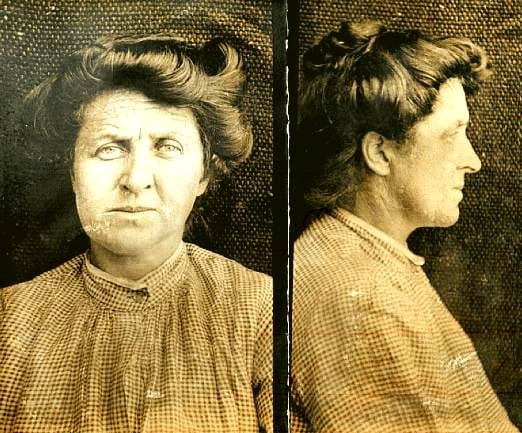
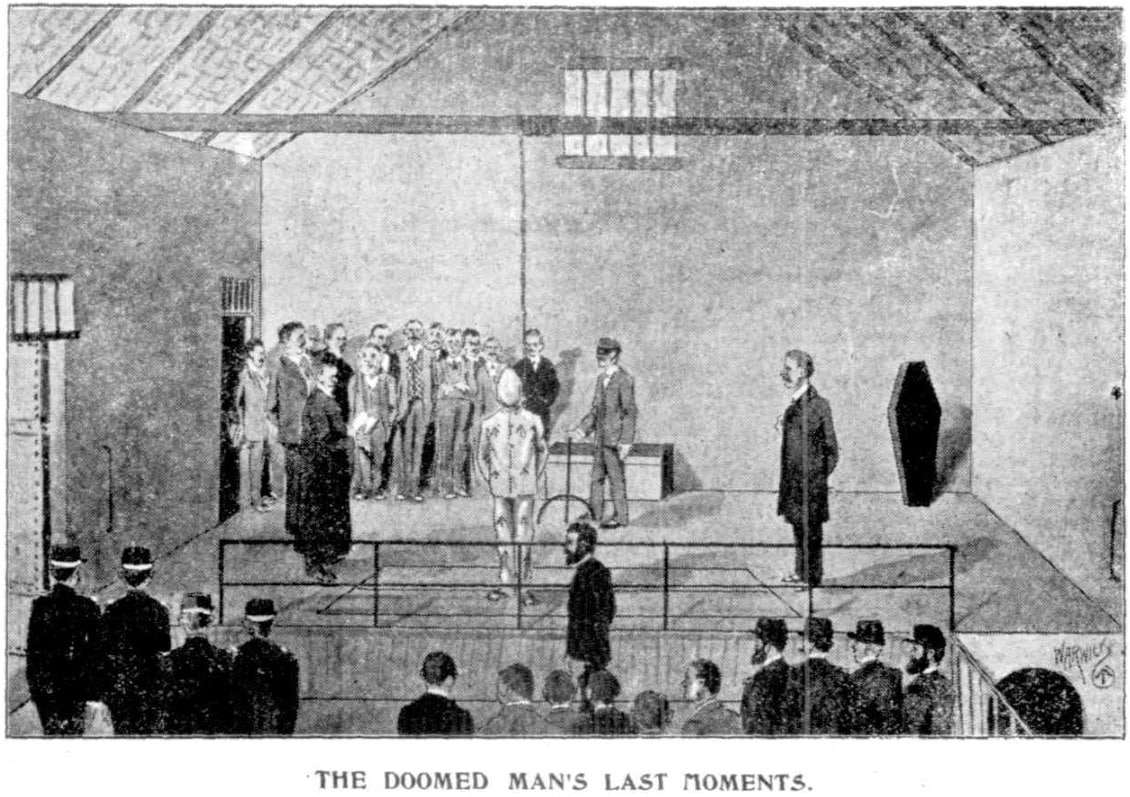
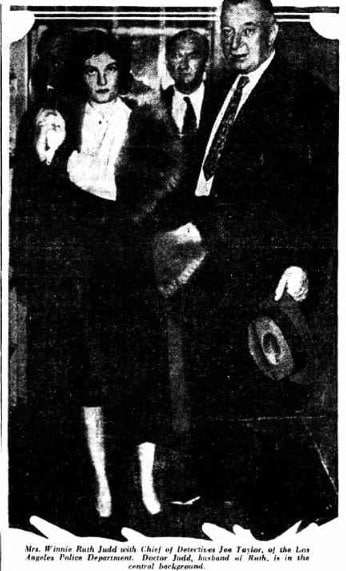
For about two decades, Eugenia Falleni lived as a man named Harry Crawford, working ordinary jobs and marrying a woman named Annie Birkett in 1913 without her ever suspecting the truth. The marriage held until Eight-Hour Day in 1917, when Birkett disappeared; her charred remains were later found in bushland near Lane Cove.

It took police years to connect Crawford to the body and to discover the deeper deception underneath. Tried at the Central Criminal Court in Sydney, Falleni was found guilty of murder and sentenced to death, a sentence later commuted to life imprisonment.
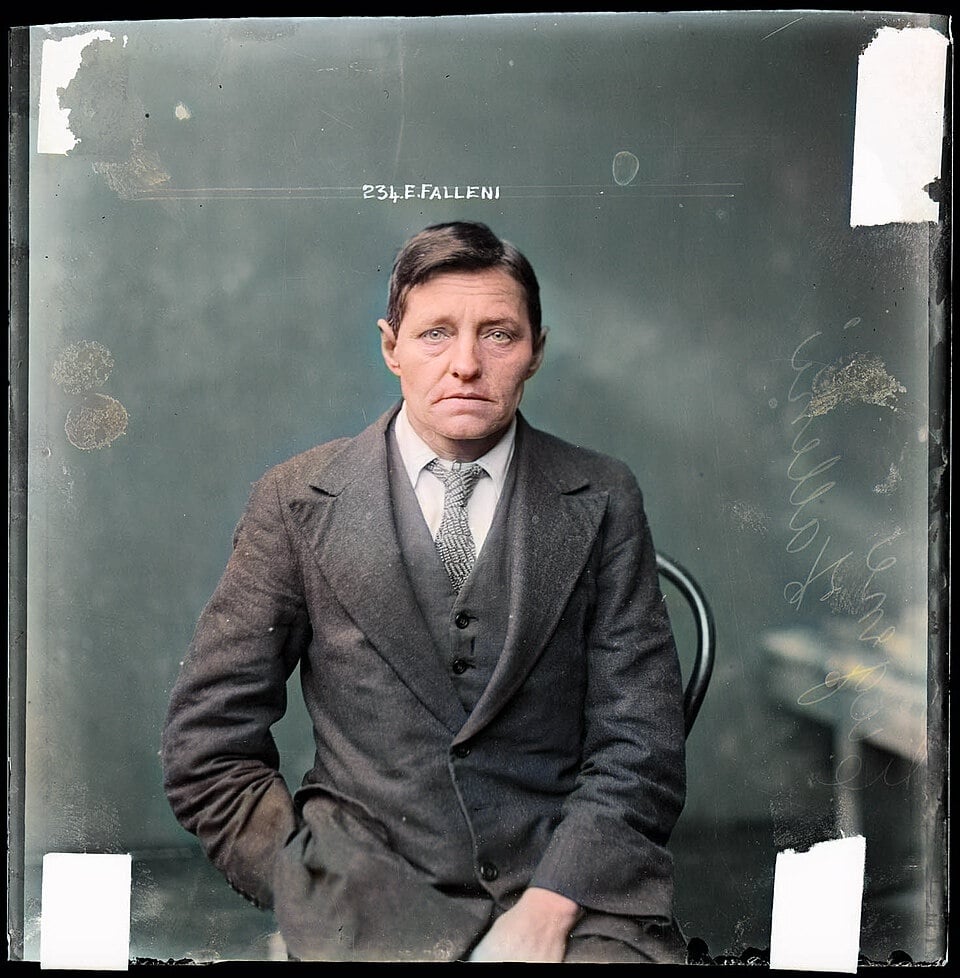

Eugenia Falleni 1920

⬅ See all events from 6 October

Spread the word on your favourite platform!

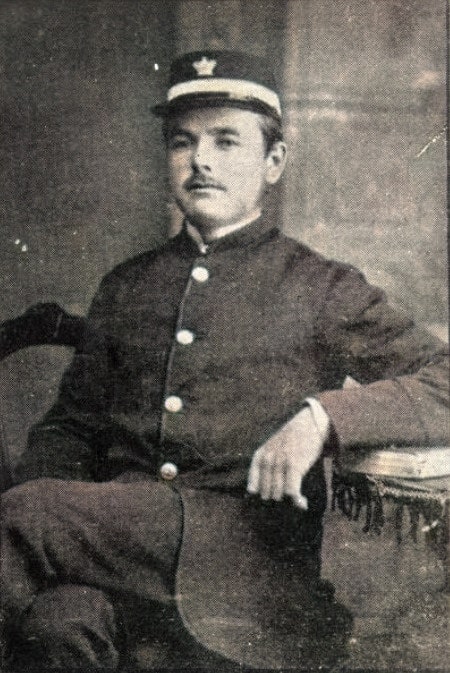
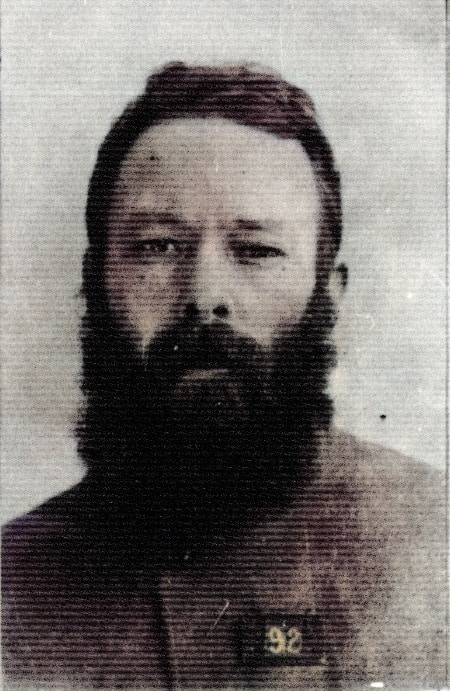
In Perth, Martha Rendell told neighbours her stepchildren suffered from chronic sore throats that she treated herself at home. In truth she was swabbing their throats with hydrochloric acid, a slow and agonising poisoning disguised as nursing. Her stepson Arthur Morris, 14, died of it on 8 October 1908; two of his siblings had already died the same way, but only Arthur’s death went to trial.

Convicted of his murder, Rendell was hanged at Fremantle Prison on 6 October 1909, the only woman ever executed in Western Australia.

She denied killing the children to the end, insisting she had only ever tried to cure them.

Martha Rendell
Martha Rendell

⬅ See all events from 6 October

Spread the word on your favourite platform!

Caroline Grills earned the nickname Aunt Thally for the thallium she slipped into the tea and food of relatives and neighbours, a slow, trusted poisoner convicted in Sydney in 1953 after several deaths in her circle were finally traced back to her cheerful hospitality.

Sentenced to life, she was sent to the State Reformatory for Women, where she settled into prison life with the same warm, motherly manner that had once made her so welcome at other people’s tables. She kept making tea for fellow inmates right up until her death on 6 October 1960.

She never publicly expressed remorse for her crimes, dying as she had lived behind bars: smiling, sociable, and giving no hint of guilt.

Learn to make your own tea.

⬅ See all events from 6 October

Spread the word on your favourite platform!

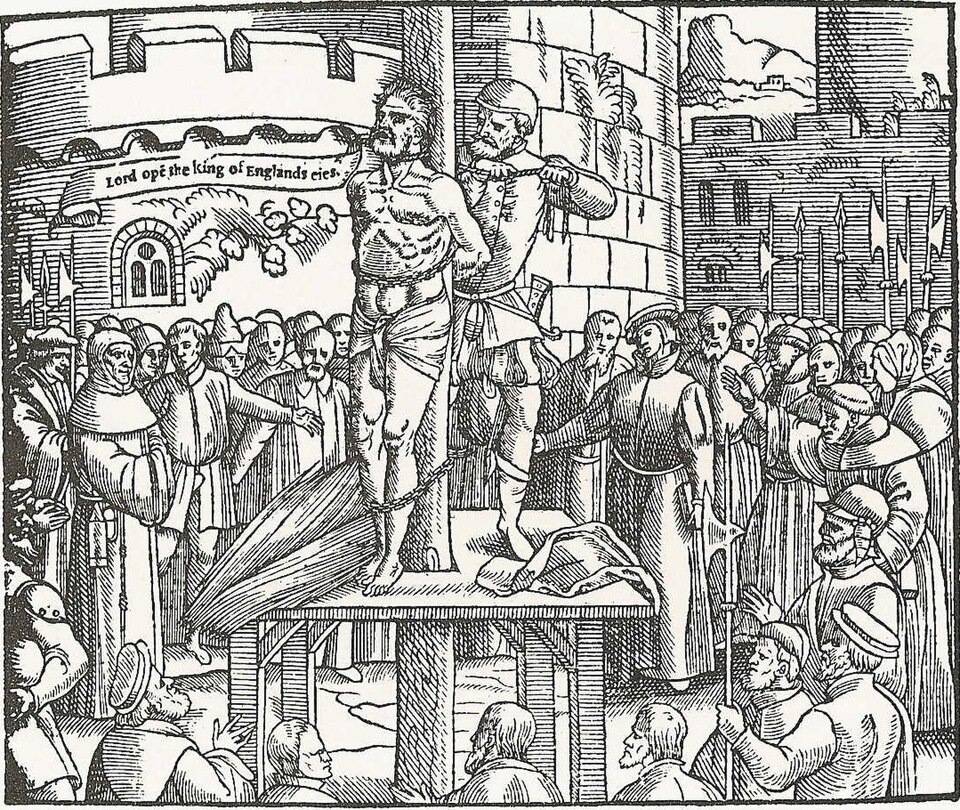
William Tyndale committed one crime: he translated the New Testament into English so ordinary readers could understand it for themselves, defying a Church that insisted scripture remain in Latin and under clerical control. Hunted across Europe by agents loyal to Henry VIII’s government, he was finally betrayed and arrested in Antwerp.

Tried for heresy, he was condemned and taken to the fortress town of Vilvorde, where in October 1536 he was strangled at the stake and his body then burned. Within a few years, an English Bible drawing heavily on his translation was being placed in every parish church in the kingdom that had killed him.

According to tradition, his final words were a prayer rather than a protest: “Lord, open the King of England’s eyes.”

Portrait of William Tyndale from Foxes Book of Martyrs

⬅ See all events from 6 October

Spread the word on your favourite platform!
On This Day in True Crime History

Subscribe to Dark Stories

True crime stories, dark history and tour news, straight to your inbox.