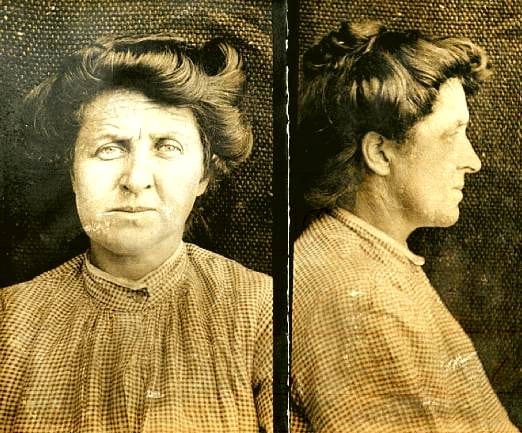
Barbara Spencer is barely out of childhood when the world begins to shape her into something dangerous. Raised without restraint in the cramped lanes of Cripplegate, she is the kind of figure that Lives of the Most Remarkable Criminals captures with unflinching clarity: a young woman too proud for servitude, too restless to stay still, drawn by temperament toward the edges of lawful life.
Her drift into counterfeiting feels almost inevitable; a single act of defiance carries her out of her mother’s alehouse and into the company of coiners who see her recklessness as a useful tool. In the annals of true crime, few portraits are as vivid as this one: a girl barely twenty, pushing false money through London’s streets with a freedom she mistakes for power.
Georgian justice has a particular cruelty reserved for women convicted of this offence, and the machinery of that law is already turning. Hear her story read aloud from the pages of Lives of the Most Remarkable Criminals; every word preserved, every detail intact, waiting for you now.

Click the RSS feed link below to subscribe and get new episodes the moment they drop.
Dark Lexicon: Old words. Dark meaning.
The past speaks its own dialect; here is what to listen for in this episode.
Mean parents: today ‘mean’ usually suggests cruelty or stinginess, but in eighteenth century usage it simply meant humble or of low social standing. Barbara’s parents were not wicked; they were poor and unremarkable, the kind of people the law barely noticed until their children crossed it.
Mantua-maker: a dressmaker who specialised in the mantua, a loose flowing gown fashionable in the late seventeenth and early eighteenth centuries. It was one of the few skilled trades open to women, and an apprenticeship to one could have set Barbara on a very different path.
Utter: to utter false money had nothing to do with speaking. In legal language it meant to put counterfeit coins into circulation; to pass them off as genuine in a transaction. The crime of uttering was considered a form of petty treason against the Crown, because the monarch’s image and authority were stamped upon every coin.
Vend: to sell or distribute. Paired with ‘utter’ in the text, it underlines the commercial nature of the offence; coiners operated in networks, with some people manufacturing the forgeries and others, like Barbara, sent out into the streets to move them.
Petty treason: a legal category that has no modern equivalent. It covered crimes that violated a bond of allegiance or obedience: a wife killing her husband, a servant killing a master, or a subject counterfeiting the king’s coin. The penalties for petty treason were deliberately more severe than those for ordinary felonies, and for women the distinction carried a uniquely horrifying consequence.
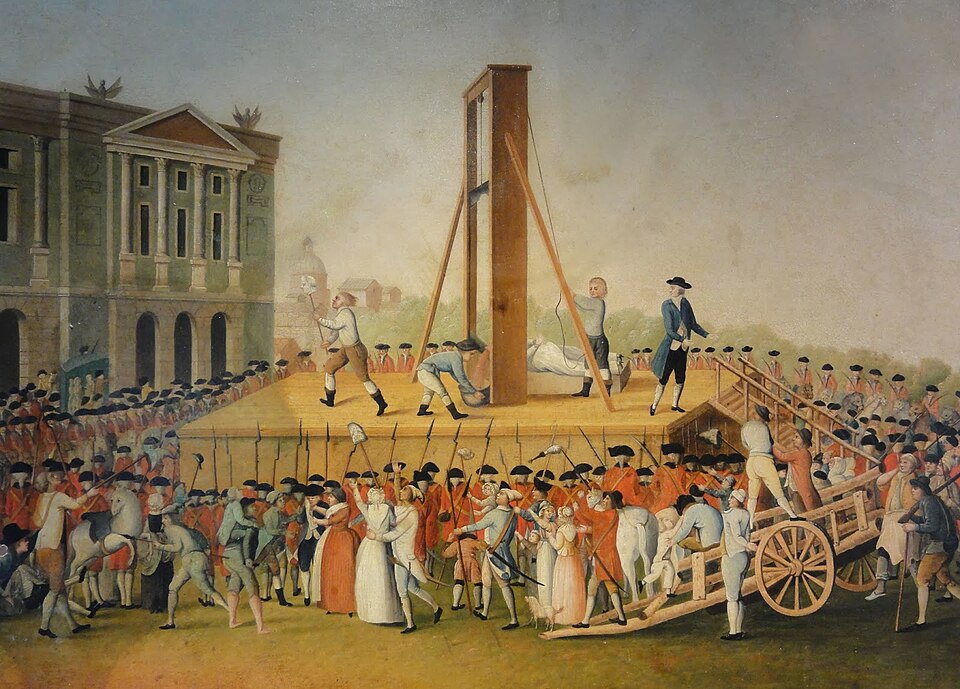
Faggots and brushes: bundles of sticks and dry kindling used to build the fire at an execution by burning. The word ‘faggot’ today carries entirely different connotations, but in this period it referred simply to a bound bundle of firewood; the mundane fuel of an extraordinary punishment.
St. Giles’s Pound: a public pound near the parish of St. Giles in the Fields, used for impounding stray livestock. The area around it was notorious for poverty, gin shops and criminal networks; it was exactly the kind of place where a young runaway could vanish into a new and dangerous life overnight.
Discover: in this context, to discover someone meant to reveal or expose their identity to the authorities. Barbara refused to discover those who taught her to coin; she would not name them, even under the weight of her own conviction.
About This Series
Lives of the Most Remarkable Criminals is one of the earliest works of true crime writing in the English language, nearly 300 years old, covering murderers, thieves, highwaymen, forgers, coiners and worse.
The book is entirely in the public domain and every word of it can be read today for free. But if you would rather listen, this podcast does exactly that: one criminal at a time, every week, read aloud.
True crime was not invented by podcasts or streaming services. Eighteenth century readers were just as fascinated by outlaws and killers as we are today. They just consumed their dark stories by candlelight.
The voice you hear is David Dark: crime researcher, theatre script writer, producer of live immersive experiences, and audiobook narrator and voice artist. This podcast uses an AI voice model trained on David’s own voice, built using the maximum available training data to faithfully represent how he actually sounds. To hear David’s real voice in human generated form, visit him on Audible, Online Stage, Voices of Today, Spoken Realms, and Internet Archive.