In the smoky laneways and shadowy backstreets of early twentieth-century Melbourne, few criminal names carried as much menace and mystique as Squizzy Taylor. Born Joseph Leslie Theodore Taylor in Brighton on 29 June 1888, the man who would become known as Squizzy rose from the working-class streets of Richmond to become one of Australia’s most notorious underworld figures.
Small in stature but large in self-belief, Taylor built a reputation for violence, cunning, and theatrical self-promotion. He was charming when it suited him, ruthless when crossed, and unusually skilled at turning criminal notoriety into public fascination. His story is one of ambition, betrayal, intimidation, and bloodshed, played out against the backdrop of a city undergoing rapid social change.
How Leslie Taylor came to be known as “Squizzy” remains uncertain. Various explanations have been offered over the years, but none can be treated as definitive. What is clear is that the nickname stuck, and in time it became one of the most recognisable names in Melbourne’s criminal history.
From the Stables to the Streets
Taylor’s childhood was shaped by instability and hardship. After the family coachmaking business collapsed and was sold by creditors in 1893, the Taylors moved from Brighton to the inner-Melbourne working-class suburb of Richmond. When his father died in 1901, the thirteen-year-old Taylor went to work in the stables of a horse trainer and later spent time around Melbourne’s pony-racing circuit.
He did not remain on the right side of the law for long. By his mid-teens, Taylor was already appearing before the courts. In March 1906, at the age of seventeen, he was sentenced to twenty-one days’ imprisonment for stealing an overcoat. It was an early step in what would become a lengthy criminal career, one marked by repeated arrests, brief terms of imprisonment, acquittals, and returns to the street.
By his early twenties, Taylor had moved beyond petty theft into more serious offending. He accumulated convictions for theft and assault while building a network of associates across Melbourne’s inner suburbs. Charges were laid; witnesses faltered; evidence proved difficult to sustain; and Squizzy often walked free.
Taylor understood that fear could be as useful as money. Alongside associates such as Paddy Boardman, he became linked to witness intimidation and jury-rigging. In the world he inhabited, a timely visit from the right people could persuade witnesses to forget details, leave town, or decide that silence was safer than testimony.
Dolly Gray and the Making of a Criminal Partnership
No account of Squizzy Taylor’s early rise is complete without Dolly Gray, his long-term de facto partner and a criminal figure in her own right. Dolly was no passive companion. She was active in Taylor’s world, associated with robbery, blackmail, and criminal operations in and around Little Lonsdale Street.
In December 1914, Dolly survived a mysterious shooting after suffering a bullet wound to the head. The circumstances were murky, and they remain part of the violent mythology surrounding Taylor’s circle. Her relationship with Squizzy was long-running, volatile, and entangled with the criminal networks that helped shape his rise.
Taylor’s romantic life was as complicated as his criminal one. In May 1920, he married Irene Lorna Kelly. The marriage produced two children, although their first child, June, died in infancy. Taylor and Irene divorced in 1924. Prior to the divorce, he had been involved with Ida Muriel Pender, with whom he had a daughter, Patsy, born in 1923, and later married Ida that same year. She would remain close to Taylor until his death.
The Rise of Melbourne’s Underworld King
The years following World War I brought social dislocation, unemployment, returned soldiers struggling to reintegrate, and a thriving illicit economy. Restrictive hotel trading hours helped fuel the sly-grog trade, while gambling, prostitution, illegal liquor, and protection rackets created opportunities for ambitious criminals.
Taylor moved comfortably through this world. He was linked to armed robbery, illegal liquor, prostitution, racecourse crime, protection rackets, witness intimidation, and, in his later years, the cocaine trade. He also cultivated relationships with corrupt police and other useful figures who could provide protection, information, or warning when danger approached.
Squizzy’s criminal activities were centred in Melbourne’s inner suburbs: Richmond, Fitzroy, Collingwood, Carlton, and the surrounding working-class districts. These were communities where poverty, loyalty, intimidation, and mistrust of police could all work to a criminal’s advantage.
Taylor also cultivated a public image. He wanted to be seen as generous, stylish, loyal, and untouchable. Whether or not the reality matched the legend, the image served him well. In his world, silence was valuable, and public admiration could be almost as useful as fear.
In June 1918, Taylor was credited by some with helping to organise the robbery of Kilpatrick’s jewellery store in Collins Street, where diamond rings valued at £1,435 were stolen. The robbery involved both Richmond and Fitzroy criminals, but it also produced suspicion, resentment, and accusations of betrayal. Those tensions would soon erupt into open violence.
The 1919 Fitzroy Vendetta
The Kilpatrick’s jewellery store robbery helped sow the seeds of a violent underworld conflict. The Fitzroy faction became suspicious that someone from Richmond had tipped off police after three of their members were arrested. Tensions worsened when Henry Stokes gave evidence for the prosecution after charges against him were dropped.
There was also anger over the division of the proceeds from the robbery. Then came a further provocation: Dolly Gray was drugged at an underworld gathering in Fitzroy, mistreated, and robbed of jewellery worth about £200. Some present believed the jewellery had come from the Kilpatrick’s haul and therefore belonged to them.
Taylor’s Richmond associates retaliated, and the shootings began.
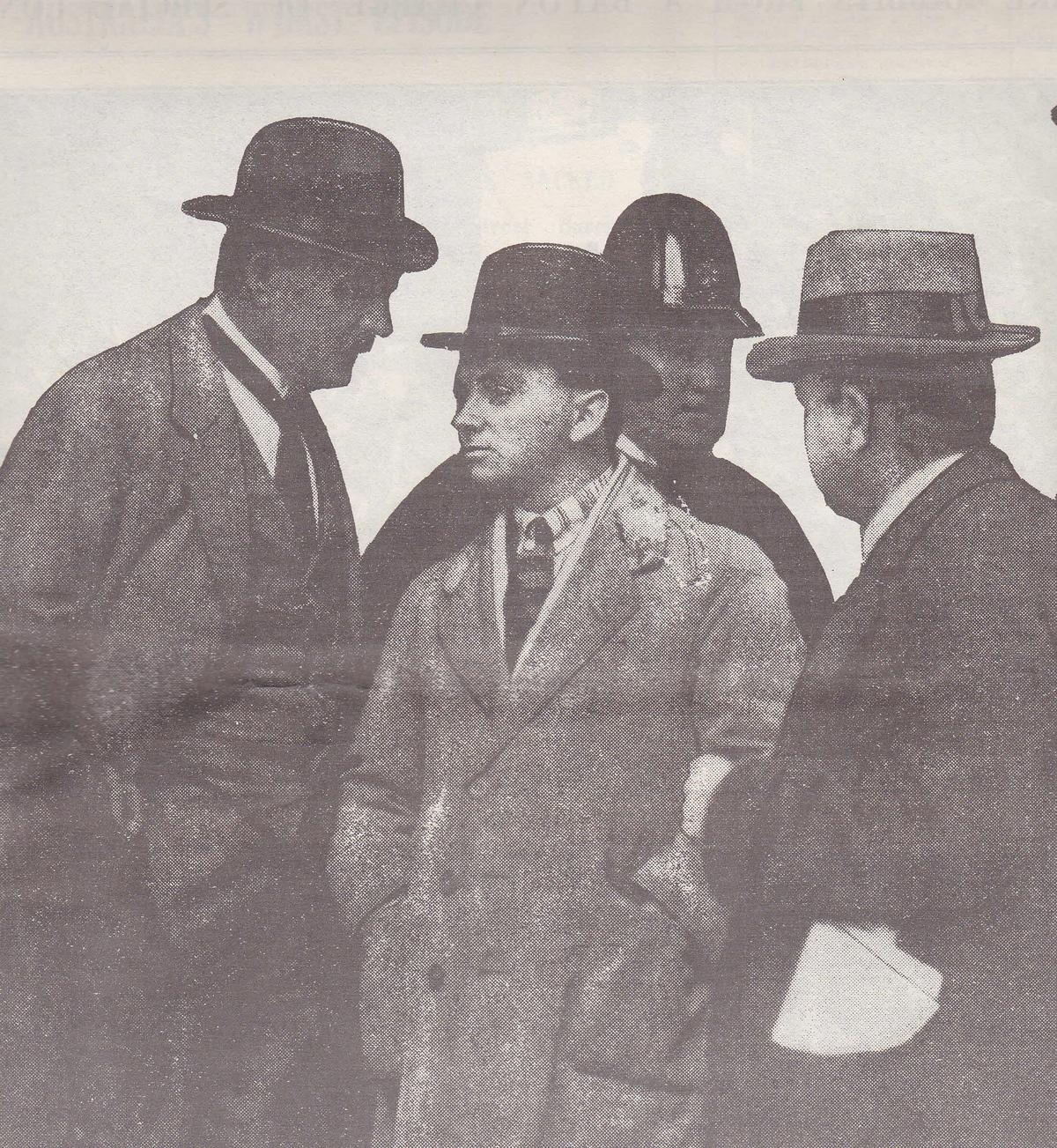
The feud became known as the Fitzroy Vendetta. It left a trail of violence across Melbourne’s inner suburbs. In one incident in August 1919, shots were fired into a sly-grog shop in Fleet Street, Fitzroy, injuring a woman and two men. Taylor was arrested after witnesses reported seeing him jump into a moving car shortly after the shooting. He was charged and later acquitted.
Police struggled to contain the violence. They were hampered by witness silence, intimidation, underworld loyalty, and allegations of corruption. Charges were laid, then dropped or defeated. The vendetta revealed the limits of law enforcement in a criminal world where people were often more afraid of gang reprisals than of the courts.
A Gangster and a Showman
One of the most fascinating aspects of Squizzy Taylor’s career was his relationship with the media. Long before social media, celebrity criminals understood the value of publicity, and Taylor was unusually good at making himself newsworthy.
He gave interviews, courted attention, and seemed to enjoy the role of Melbourne’s most infamous gangster. Newspapers were happy to oblige. Squizzy’s exploits sold papers, and his colourful personality made him an irresistible subject. He appeared in expensive suits, presented himself with confidence, and understood that theatricality could magnify fear.
This showmanship extended to his personal life. Taylor was a familiar figure at racecourses, where he placed bets, mixed with gamblers, and held court among admirers and hangers-on. He enjoyed Melbourne nightlife, smoked American cigars, rode in expensive cars, and dressed like a man determined to look more successful than respectable society itself.
His high public profile may also have made him harder to handle. Every arrest became a spectacle; every court appearance drew attention. Taylor played the role of the cheeky, glamorous rogue, even as he remained closely associated with intimidation, violence, and organised criminal activity.
The Artful Dodger
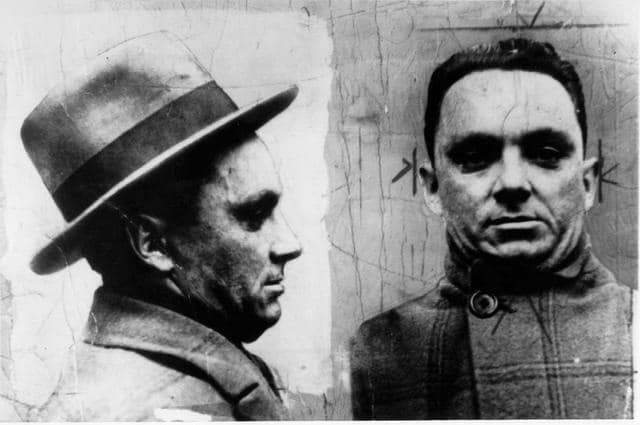
In June 1921, Taylor’s luck appeared to run out when he was caught breaking into a warehouse in King Street. He was committed to stand trial and released on bail of £600. When the trial date arrived, however, Taylor had vanished.
For more than a year, police searched for him without success, while newspapers followed the manhunt with delight. Taylor eventually surrendered in 1922, turning even his return to custody into a public performance. Once again, the line between criminality and celebrity blurred around him.
In October 1923, Thomas Berriman, manager of the Hawthorn branch of the Commercial Bank, was shot outside Glenferrie Station while carrying £1,851 in bank funds. He died from his wounds two weeks later.
Witnesses identified the men as responsible as Henry James Donnelly, better known by the alias Angus Murray, and Richard Buckley. Police later raided a house in St Kilda and arrested Murray along with Taylor and Ida Pender. Taylor was charged with aiding and abetting the crime and with harbouring Murray, who had escaped from Geelong Gaol.
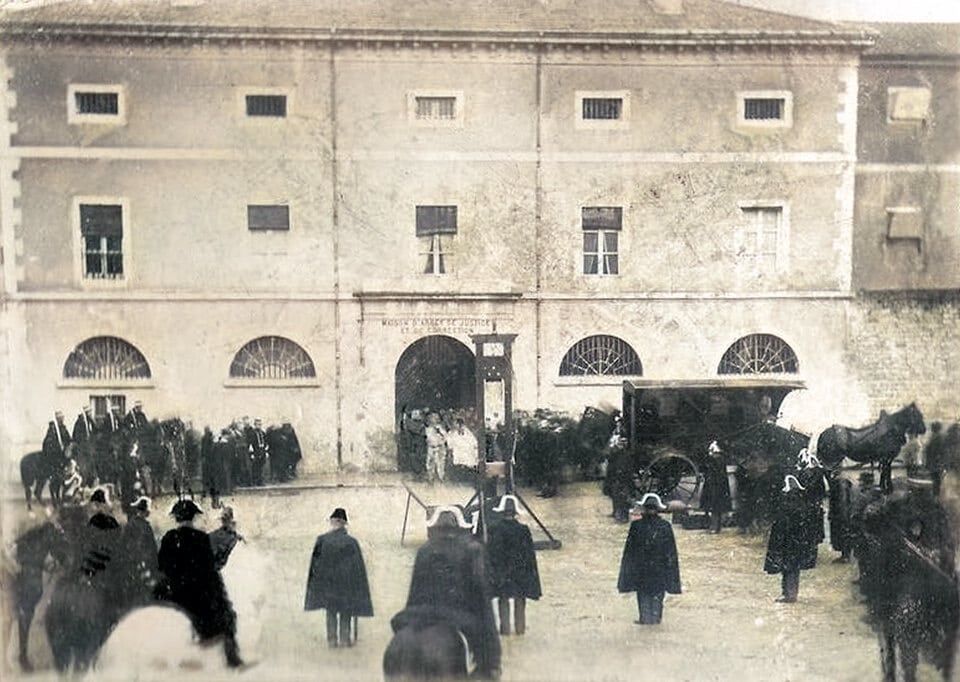
Taylor was acquitted of the more serious charges but convicted of being the occupier of a house visited by thieves and sentenced to six months’ imprisonment. Murray was convicted of Berriman’s murder and hanged at the Old Melbourne Gaol in April 1924. Buckley avoided capture for years before being convicted of Berriman’s murder in 1930; his death sentence was later commuted.
Rivalries, Feuds, and the Battle for Melbourne
No gangster’s power goes unchallenged, and Taylor had many enemies. Throughout his career he clashed, negotiated, and feuded with other formidable underworld figures, including gambling identity Henry Stokes, with whom his relationship shifted between alliance and hostility.
His most famous and ultimately fatal rivalry was with John “Snowy” Cutmore, a violent criminal who had made his name in Melbourne before spending time in Sydney’s underworld. There, Cutmore moved among figures associated with the early razor-gang era, including Norman Bruhn, often remembered as one of Sydney’s original razor gangsters.
Cutmore was linked in some accounts to the killing of Bruhn, who had been an ally of Taylor. Whether revenge, rivalry, unpaid debts, old grievances, or a mixture of all these forces lay behind the final confrontation remains uncertain. Squizzy Taylor’s world rarely produced clean explanations.
The Final Showdown: Death of a Gangster
Taylor and two associates met at the Bookmakers Club in Lonsdale Street, hired a car, and spent the evening searching for Cutmore around Carlton’s pubs. Unable to find him, they went to the home of Cutmore’s mother at 50 Barkly Street, Carlton. Cutmore was there, bedridden with influenza.
A violent confrontation followed. Shots were fired. Cutmore was mortally wounded. So was Taylor.
The precise circumstances have been disputed ever since. The inquest returned an open verdict, finding insufficient evidence to determine exactly who fired the fatal shots. The simplest public version was that Taylor and Cutmore had shot each other in a fatal duel, but the evidence left troubling questions.
There were reports of more shots than could easily be accounted for. Weapons were found away from the bedroom. One enduring theory suggested that Cutmore’s mother, Bridget, may have fired the shot that killed Taylor after finding him wounded in the house. None of this was ever proven.
Cutmore died at Carlton. Taylor was rushed to St Vincent’s Hospital in Fitzroy, where he died later that evening. He was thirty-nine years old.
The man who had haunted Melbourne’s underworld for the better part of two decades was gone, killed in the kind of violent, murky confrontation that seemed almost inevitable given the life he had led. Fittingly, even his death left unanswered questions.
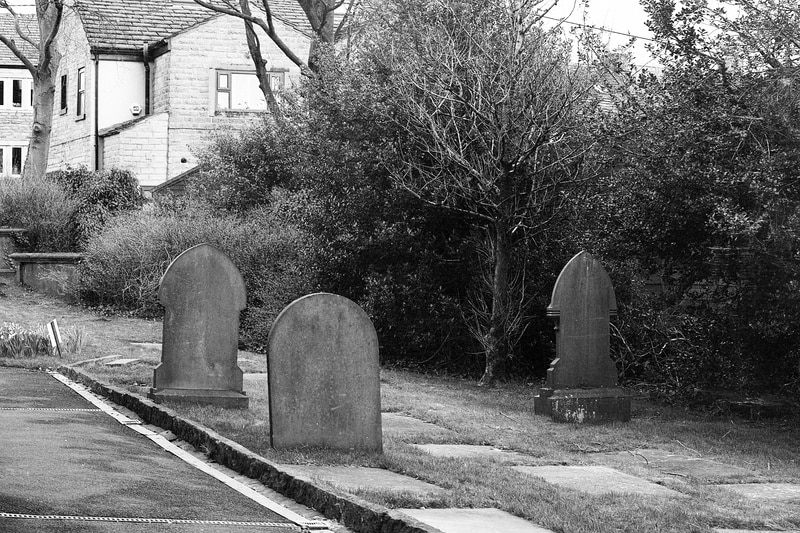
The aftermath was a media frenzy. Newspapers devoted pages to Taylor’s life and crimes, and his funeral drew hundreds of onlookers. In death, as in life, Squizzy Taylor commanded attention. He was buried with Anglican rites at Brighton Cemetery, not far from where he had been born, completing a circle that had taken him from Brighton to Richmond, from petty theft to underworld notoriety, and finally to a violent end.
The Legacy of Squizzy Taylor
Nearly a century after his death, Squizzy Taylor remains one of Melbourne’s most enduring criminal figures. His story has been told and retold in books, films, television series, documentaries, podcasts, and walking tours.
The 1982 film Squizzy Taylor, starring David Atkins in the title role, introduced his story to a new generation. The 2013 television series Underbelly: Squizzy revived interest again, bringing the myths, violence, and spectacle of Taylor’s Melbourne back into popular culture.
What is it about Squizzy Taylor that continues to fascinate? Was it his sheer audacity? A small-time stablehand and petty thief who clawed his way into the upper ranks of a brutal criminal world through nerve, intimidation, corruption, and violence. Part of it is the era: the roaring twenties, a time of jazz, sly grog, gambling, social upheaval, and rapidly changing cities. And part of it is the enduring Australian fascination with outlaws and antiheroes, from bushrangers to razor gangs, figures who exist at the margins of society but whose stories reveal something important about the world around them.
Squizzy Taylor was many things: thief, gangster, showman, suspected murderer, and infamous legend. His story reminds us that the history of Australia’s cities is not only a story of progress and respectability. It is also a story of darkness, violence, fear, ambition, and the relentless human appetite for power.
Walking through Melbourne today, it is hard to imagine the world Squizzy inhabited. Yet echoes of his era remain for those who know where to look: in old pubs and terrace houses, in narrow laneways, in former sly-grog districts, and in the collective memory of a city that has never quite forgotten one of its most infamous sons.