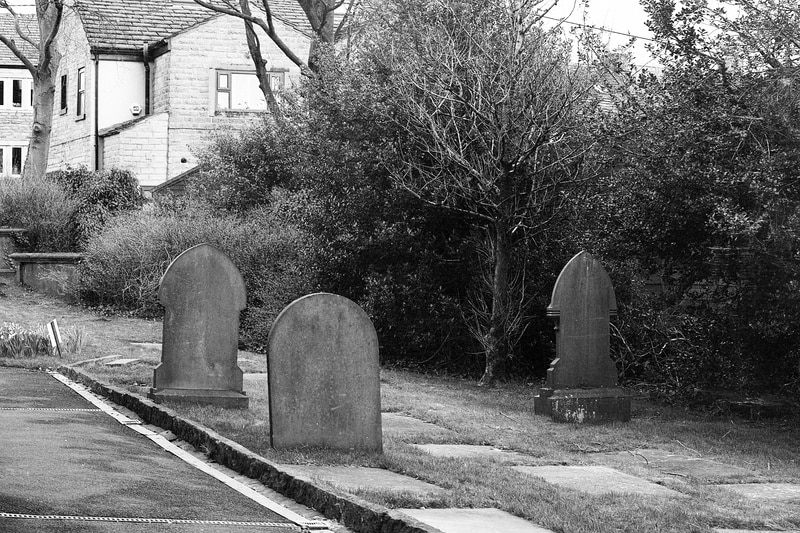
Peter Sutcliffe hammered 20 year old Jean Jordan to death near a cemetery in Manchester, then realised the brand new £5 note he had just paid her was traceable straight back to his wage packet. Nine days later he returned in the dark to retrieve it, could not find it, and instead mutilated her body and attempted to cut off her head.

The note had been lying just outside the police search area the whole time, in her handbag under a fence. Detectives traced it to a Bradford pay run and interviewed thousands of workers, including Sutcliffe himself, twice. His alibi held, the inquiry stalled, and the man holding the incriminating fiver walked free for years before he was finally caught as the Yorkshire Ripper.


Piggy bank and new banknotes. Woman holding a piggy bank and new UK five pound notes | ID 82241351 © Peter Titmuss | Dreamstime.com
ID 82241351 © Peter Titmuss | Dreamstime.com

⬅ See all events from 1 October

Spread the word on your favourite platform!

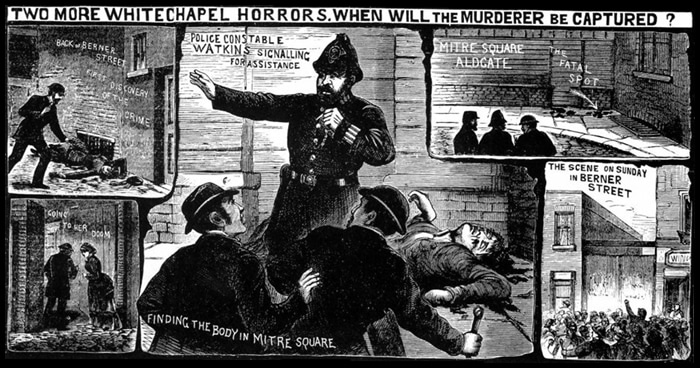
In the early hours, the killer known as Jack the Ripper struck twice within the same hour. His third victim, Elizabeth Stride, was found with her throat cut and still bleeding, her killer likely interrupted before he could mutilate her further. Denied his ritual, he found a fourth victim within the hour: Catherine Eddowes, whose body was left with her intestines arranged over her shoulder and part of her womb removed.

Weeks later, a Londoner opened a parcel addressed simply “From Hell” to find half a preserved kidney inside, accompanied by a taunting letter. Tests suggested it may have belonged to Eddowes herself, though the claim was never proven and the killer was never caught.

Murders of Liz Stride and Catherine Eddowes

⬅ See all events from 30 September

Spread the word on your favourite platform!

Martin Rice was a former steeplechase jockey with a reputation for violence when he picked a fight with Anthony Green, a well-known horse trainer, over the shoeing of a horse at Kirk’s Bazaar off Bourke Street in Melbourne. Green struck him once, told him to leave, and Rice wept and walked away, muttering that he would have his revenge.

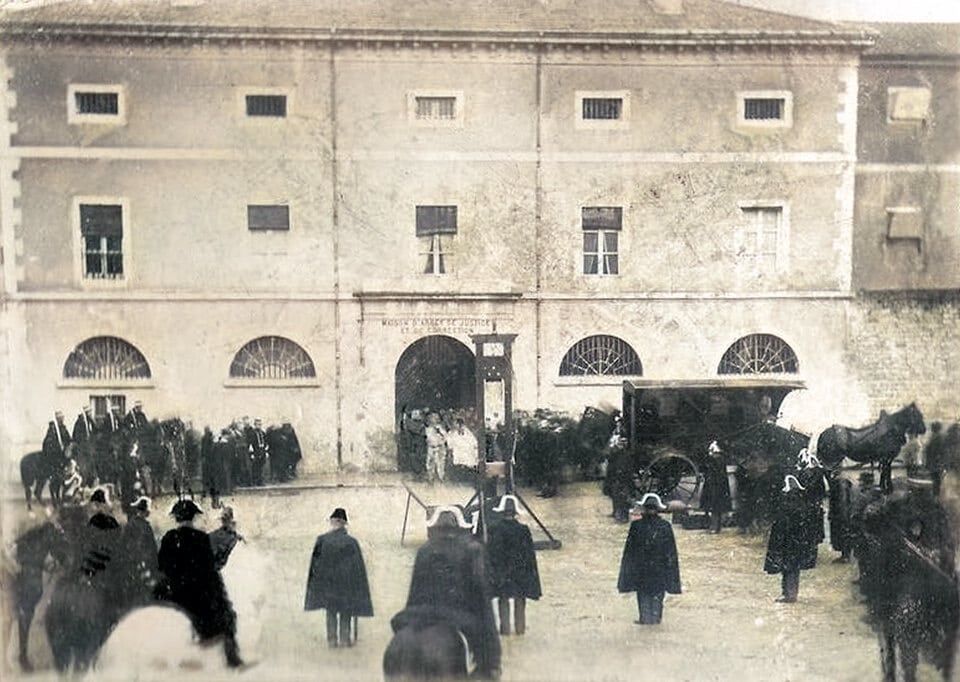
Half an hour later, as Green stooped to check a horse’s foot with his back turned, Rice crept up behind him and drove a blacksmith’s hammer into his skull. Green lingered barely a day before dying, telling a friend he had heard his own bones crack. A coroner’s jury found the gap between the insult and the blow proved deliberate malice, not sudden provocation, and Rice was convicted of wilful murder at the Supreme Court and hanged at Melbourne Gaol.

On the scaffold Rice asked to speak, insisting he had borne no malice toward Green and had never meant to kill him.

From shoeing a horse to murder

⬅ See all events from 30 September

Spread the word on your favourite platform!

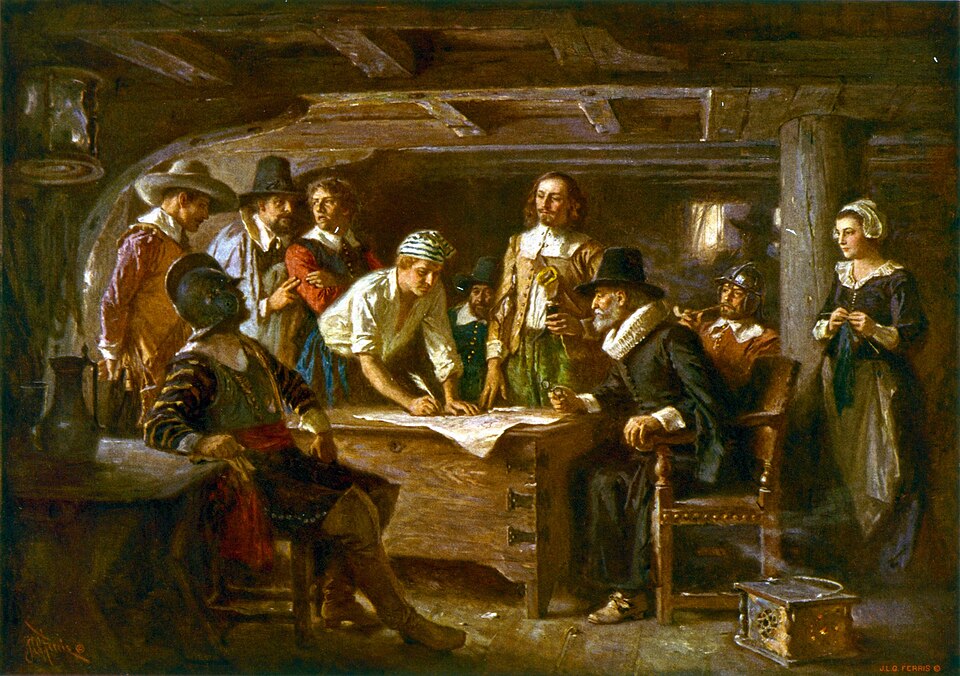
John Billington had been a troublemaker since the Mayflower crossing, defying Myles Standish and drawing accusations in a colony revolt, always insisting he was innocent. In 1630 a long feud over land boundaries turned fatal when he ambushed and shot fellow colonist John Newcomen, reportedly after catching him robbing his traps.

A grand and petty jury found Billington guilty of willful murder. Governor William Bradford, wary of setting a precedent, consulted the leaders of the neighbouring Massachusetts Bay Colony, who agreed the killing had to be answered to purge the land from blood. Billington was hanged on 30 September 1630, becoming the first person executed in Plymouth Colony. His burial place was never recorded.

Mayflower Compact 1620 handwritten agreement document

⬅ See all events from 30 September

Spread the word on your favourite platform!
On This Day in True Crime History

Subscribe to Dark Stories

True crime stories, dark history and tour news, straight to your inbox.