1788: Ten Convicts Marched Out of Sydney to Found a Colony That Could Feed Itself

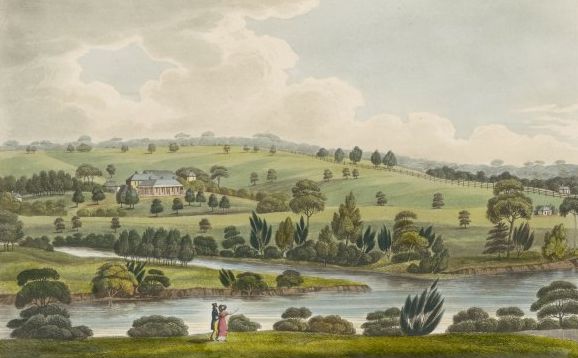
Ten convicts, under armed marine escort, set out from Sydney Cove on this day in 1788, bound for a patch of ground at Rose Hill that would later grow into Parramatta. The fledgling colony was starving, its soil poor and its supply ships overdue, and this small, closely guarded party of prisoners carried the desperate hope that convict labour could turn the land self-sufficient before famine finished what the sea voyage had not.

There was no trial, no sentence, no scaffold in this story, only a gamble: that men transported for crimes in Britain could be made into the farmers who would keep an entire penal settlement alive. The ground they broke at Rose Hill became the first successful crops grown on the continent under British rule, and the settlement they built outgrew the colony that sent them there.

This Day in True Crime History

⬅ See all events from 2 November

Spread the word on your favourite platform!

1791: Twenty Convicts and a Pregnant Woman Flee Parramatta, Convinced China Lay Just Over the River

Twenty male convicts newly arrived from Ireland, along with one pregnant woman, vanished from the settlement at Rose Hill, near Parramatta, on this day in 1791, taking their tools, bedding and a week's rations with them. Passing settlers who saw them pass asked where they were bound; the convicts answered that they were walking to China, certain that a great river lay only about a hundred miles to the north, beyond which a copper coloured people would receive and treat them kindly.

An officer and a detachment of troops were sent after them, tracing the group as far as the harbour before Sydney before losing the trail entirely. Within a week most had stumbled back starving and half naked, having survived on wild berries and shrubs, while one or two of the runaways were killed by spears from the people whose country they had wandered into.

Watkin Tench, recording the episode, could not resist a final barb: insisting he intended no "illiberal national reflection" on any people, he added that it was certain every one of the escapees was Irish.

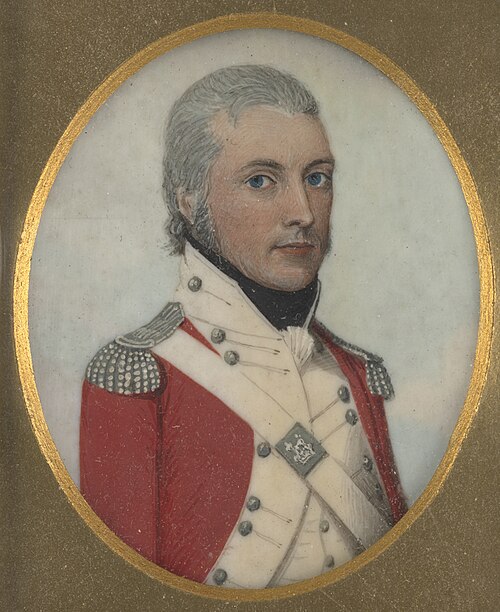
Portrait of Watkin Tench: Narrator of the establishment of the Port Jackson colony(Sydney)

⬅ See all events from 1 November

Spread the word on your favourite platform!

1816: The Black Beau of London, Hanged in SydneyAustralia

Daniel Moowattin was raised from infancy by the colony's own flogger and hangman, grew up fluent in English manners, and became a trusted bush guide to the botanist George Caley. In 1810 Caley took him to London, where society was charmed by his polished English and the latest fashions; one newspaper called him, admiringly, "a black beau." He even sang his own songs at a London party before confessing he longed for home, telling a companion he found more pleasure under a gum tree with his own people than anywhere in England.

He returned to the colony in 1812 and drifted between farm labour and life in the bush. That August, a teenage girl named Hannah Russell was walking alone on a road near Parramatta when, she testified, Moowattin dragged her into the scrub, beat and assaulted her, robbed her of money, then beat her again before a passing stockman frightened him off.

Under the colony's rules, Aboriginal people could not ordinarily be tried in its courts, but the men who knew Moowattin argued he no longer counted as one of them: he dressed, worked and spoke like a settler. On that reasoning he became the first Aboriginal man ever tried before a court in New South Wales, and on this day in 1816 he was hanged in Sydney alongside two men convicted of highway robbery, the first Aboriginal person legally executed in colonial Australia.

Governor Lachlan Macquarie claimed in his records that all three "confessed their crimes... and died penitent."

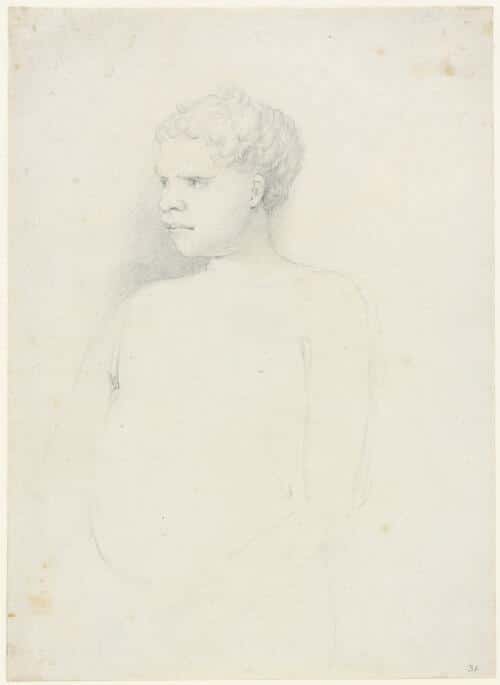
Port Jackson, a Native Boy; contemporary to Moowattin, William Westall, 1802. Courtesy of the National Library of Australia.

⬅ See all events from 1 November

Spread the word on your favourite platform!

1790: He Survived One of Australia's Deadliest Convict Voyages, Then Was Hanged Four Months After Landing

Edward Wildblood sailed to New South Wales on the Second Fleet ship Surprize, a voyage so brutal that dozens of convicts died before it even reached Sydney in June 1790. He was one of the lucky ones, stumbling ashore half starved after months chained below deck, only to find the colony offered little mercy either.

Within three months he and fellow convict William Harris had taken to the bush around Rose Hill, the settlement that would become Parramatta, robbing huts and killing a settler's goat. Caught and sent back to labour in irons on bread and water, the pair slipped away again during their overseer's absence, broke into a hut and beat its lone occupant, a sick settler, before making off with beef, flour, a frock and a book. Tried and convicted on 28 October 1790, Wildblood and Harris were hanged that same day at Rose Hill, their bodies left swinging near the very hut they had robbed, one of the earliest executions carried out in the colony.

In a remarkable twist of fate, both men were recorded as having been born on the same day, 1 January 1764, only to die together on the same day, aged just 26, at the end of a hangman's rope.

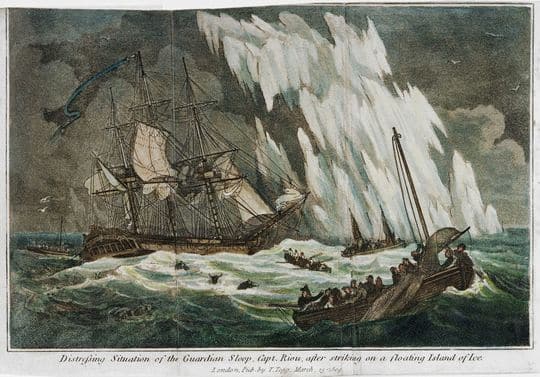
Second Fleet aka The Death Fleet in distress

⬅ See all events from 28 October

Spread the word on your favourite platform!
On This Day in True Crime History

Subscribe to Dark Stories

True crime stories, dark history and tour news, straight to your inbox.